15 Practical Fundraising Tips Every Nonprofit Should Try in 2026
Fundraising Tips for Nonprofits
Strong fundraising campaigns are built on details most nonprofits overlook. Here are some of the tips this guide covers:
1. Clean donor data before and during campaigns
2. Anchor suggested donation amounts with context
3. Make recurring giving the easy choice
4. Create urgency that donors can feel
5. Optimize your donation page
6. Act on donor intent signals
7. Use social proof mid-campaign
8. Invite non-financial contributions
9. Launch a fundraising challenge
10. Build a post-campaign communication cadence
RallyUp gives you everything you need to put these tips into practice: multi-campaign support, customizable donation pages, and real-time analytics to help you raise more with every campaign.
Every fundraising campaign carries high stakes. You’ve spent weeks planning, creating content, and setting up your campaign. After all that effort, average results aren’t an option.
The difference between a campaign that meets its goal and one that exceeds it often comes down to the details. How do you set up your donation page? How do you create urgency and encourage donors to give? What do you do mid-campaign to keep the momentum going?
This guide covers exactly those fundraising tips for nonprofits that actually move results. Each tip is simple to get started with, comes with clear takeaways you can act on right away, and works across most campaign types.
In this article
Nonprofit fundraising tips: 15 ways to plan and run a stronger campaign
When planning a fundraising campaign, you start with setting goals, building your donor list, and mapping out your outreach. These are the foundations every campaign needs.
But strong fundamentals alone won’t push your results further or bring in more donations.
These best fundraising tips go a step beyond, covering the details that shape donor decisions and help you get more from every campaign you run.
1. Clean donor data before and during campaigns
Identifying your donor base, personalizing your ask, and targeting the right segments all depend on accurate data. When your records are outdated or inconsistent, every part of your campaign takes a hit. It damages both deliverability and donor trust.
Here’s what to audit before your campaign goes live:
- Duplicate records: Merge contacts who appear more than once
- Bounced email addresses: Remove or flag them before sending
- Missing or outdated phone numbers: Cross-check against recent interactions
- Incorrect salutations: A wrong name on an appeal does real damage
- Lapsed donors with no engagement in 2-plus years: Segment them separately
Data hygiene doesn’t stop at launch either. Monitor bounces and unsubscribes throughout your campaign. Update records in real time so your mid-campaign outreach stays clean. A simple way to stay on top of this:
| Task | When to do it |
|---|---|
| Remove duplicate records | 2 weeks before launch |
| Clear hard bounces | 1 week before launch |
| Segment lapsed donors | 1 week before launch |
| Review unsubscribes | After every send |
| Update contact records | Ongoing during the campaign |
Most fundraising CRMs have built-in deduplication tools. Use them before every major campaign.
2. Anchor suggested donation amounts with context
Many donors sit on the fence simply because they don’t know how much to give. Suggested amounts remove that friction. They signal what’s normal, what’s generous, and what’s within reach.
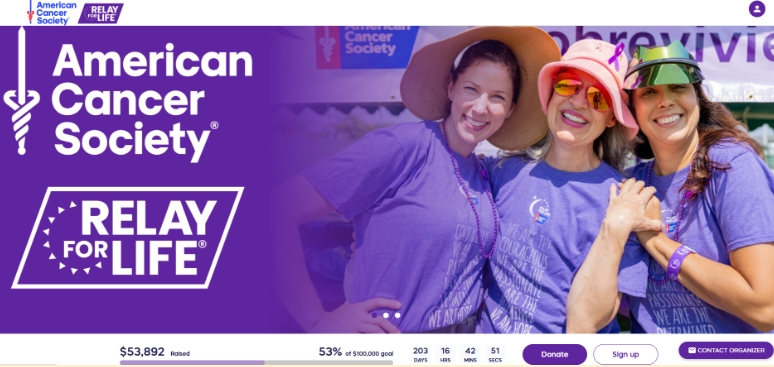
Plus, tie every amount to a specific, real-world outcome, like “$50 sends a child to school for a month.” The donor should be able to picture exactly what their money does.
Beyond that, a few placement decisions matter:
- The first amount sets a mental anchor. Put your most common gift size there
- Offer three to four tiers. More than that slows down decisions
- Pre-select an amount. Donors tend to give at or above whatever is pre-filled
- Put the open input field last. Donors who see it first often give less
You can use your past donation data to set your amounts realistically. Find three numbers: your average gift, your most frequent gift amount, and your median gift.
Say your average gift is $75, your most frequent amount is $50, and your median is $60. Your tiers could look like $25, $50, $100, and $250. The middle options reflect what your donors already give. The higher tier gives your most committed donors somewhere to land.
3. Make recurring giving the easy choice
With recurring donor bases growing by 31.58% between 2023 and 2025, donors are clearly willing to commit. Here’s what you can do to make it easy for them:
- Make recurring giving visible and easy to opt into, never a hidden default
- Label the frequency clearly, show the first charge date, explain how to cancel, and test whether highlighting the monthly option lifts sign-ups
- Frame it around a monthly amount, not an annual one. “$20 a month” feels more manageable than “$240 a year”
- Position recurring giving as a way to keep your mission running continuously. A monthly donor keeps feeding families and funding programs month after month
- Let donors know they stay in control. They can set an amount that fits their budget and cancel whenever they need to
- Send a dedicated recurring giving ask separately from your main campaign. It deserves its own moment
Placement matters too. If recurring giving sits below your submit button or requires an extra click, most donors will miss it. It should be visible and presented as the natural choice before they reach the payment step.
Learn how to set up recurring donations the right way4. Create urgency that donors can feel
Urgency is one of the most reliable levers in fundraising. People are wired to act when they feel a moment is slipping away. The problem is that most nonprofits use urgency loosely, and donors notice when it isn’t real.
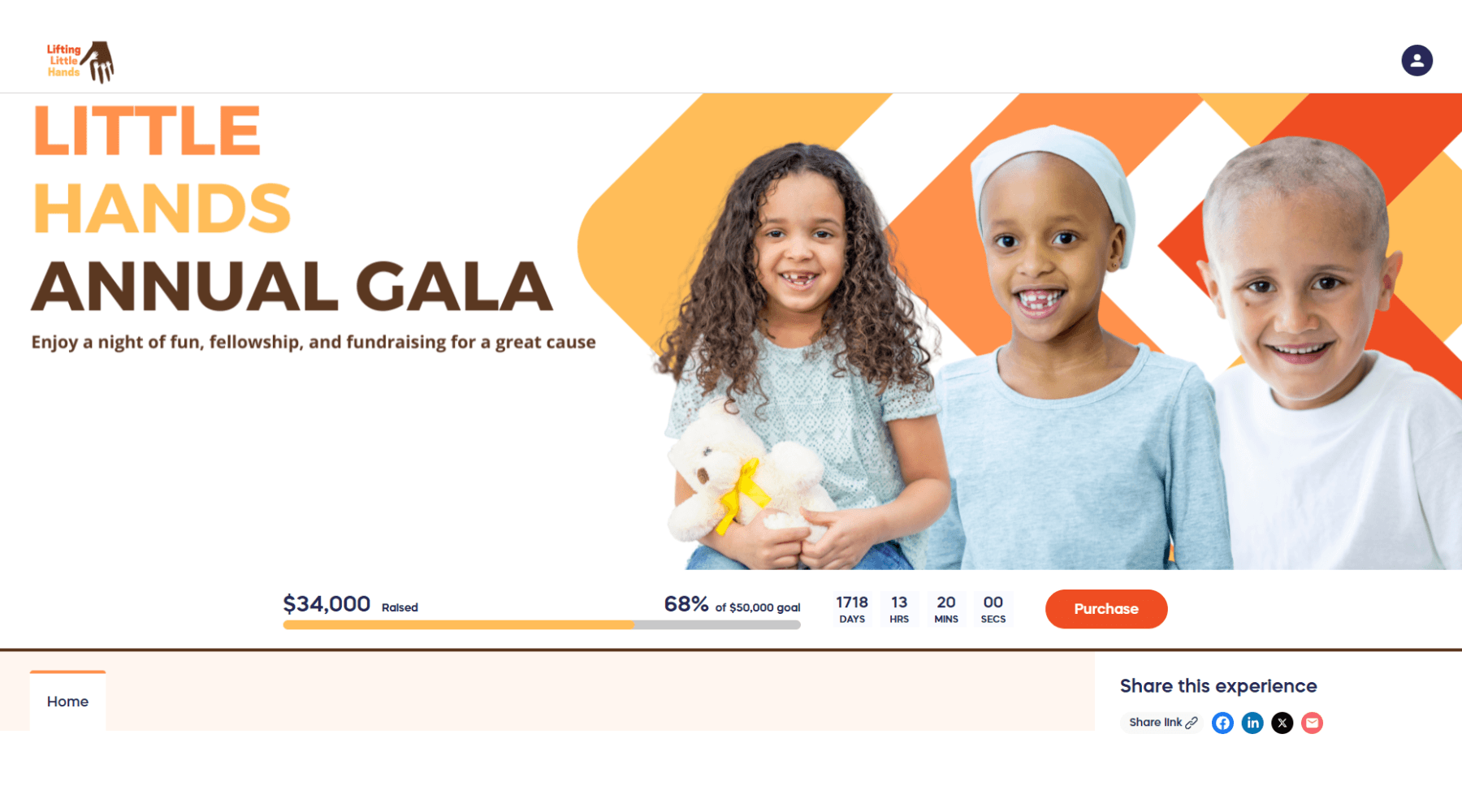
Genuine urgency comes from three places:
- Real deadline: A fiscal year-end, a grant deadline, or a campaign close date with a specific time attached
- Capacity limit: only 50 sponsorship spots available, registration closes when seats fill, first 100 donors receive something specific
- Visible milestone gap: “We’re $4,200 from our goal with 12 hours left” gives donors something concrete to act on
A few things to avoid:
- Countdown timers with no real deadline behind them
- “Final hours” subject lines used more than once in the same campaign
- Vague language like “don’t wait” with nothing specific backing it up
5. Optimize your donation page
A confusing layout, too many fields, or a page not mobile-optimized can stop a willing donor mid-action. So, here’s what to audit on your donation page before you take the campaign live:
- Remove any field that isn’t essential, like phone numbers and mailing addresses, and stick to name, email, donation amount, and payment details
- Ensure your page loads and functions properly on mobile, since more than half of nonprofit website traffic comes from mobile devices
- Keep your campaign messaging consistent from the appeal to the page, since mismatched messaging makes donors lose confidence
- Add a progress bar so donors can see how close you are to your goal and are more likely to give
- Include a trust signal near the payment section, like a security badge, a short testimonial, or your 501(c)(3) status and EIN (federal tax ID), which lets donors verify your nonprofit and confirm their gift is tax-deductible
- Limit navigation options and remove any links or buttons that could pull a donor away before they complete their gift
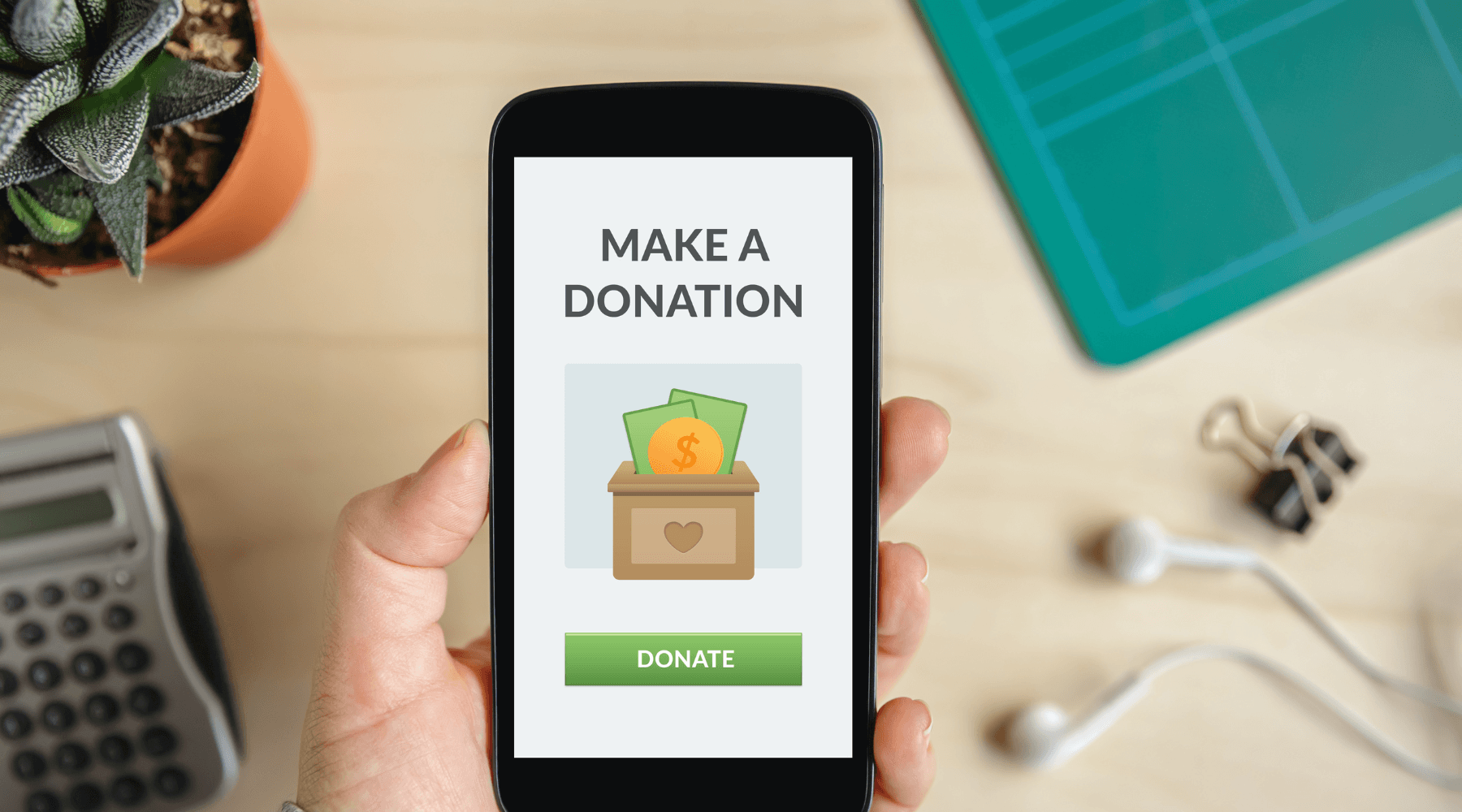
One thing worth checking before every campaign: run through the full donation flow yourself on both desktop and mobile. Fix anything that feels slow, confusing, or unnecessary before your appeal goes out.
6. Act on donor intent signals
Not every donor gives the first time they engage with your campaign. Many visit your page more than once, open multiple emails, or click through without completing a gift. Those actions are signals worth paying attention to.
How to act on them:
- Track who opens your emails more than once without giving. Follow up with a more direct ask or a different angle with them.
- Monitor repeat visits to your donation page. Someone who visits three times is close to giving. A targeted reminder or a personal outreach can close the gap.
- Watch click patterns on your campaign emails. Donors who click but don’t give often need one more nudge, not a completely new message.
- Flag donors who engage heavily on social but haven’t given. They’re connected to your mission and worth a direct ask.
Most fundraising platforms and email tools surface this data already. The gap for most nonprofits isn’t access to the signals; it’s building a habit of acting on them before the campaign closes.
7. Use social proof mid-campaign
Most nonprofits share donor numbers and milestones at launch and at the end. The middle of a campaign is where momentum either builds or quietly dies, and social proof is one of the best ways to keep it alive.

Here’s what to share mid-campaign and when:
- Donor count updates: “212 donors have given in the last 48 hours” signals that others are participating and creates a pull to join
- Named shoutouts with permission: Recognizing donors by name mid-campaign shows appreciation publicly and encourages others
- Community reactions: Screenshots of donor comments, shares, or messages show real people connecting with your cause
- Milestone alerts: Hitting 50% of your goal mid-campaign is worth announcing as it shows progress and signals that the finish line is reachable
Timing matters here. Share updates when engagement tends to dip, usually two to three days into a campaign, rather than saving everything for the final push.
Learn about how to set up a fundraiser effectively on social media8. Invite non-financial contributions
Some donors genuinely want to support your mission, but financial limitations hold them back. By offering multiple ways to contribute, you can keep those supporters involved rather than on the sidelines. These can include:
- Set up personal fundraising pages and ask supporters to share your campaign within their own networks. It extends your reach without additional outreach from your team.
- Invite people to volunteer their time during or after the campaign. If your campaign funds a food bank, have volunteers help run it.
- Ask for in-kind donations tied directly to what your campaign is raising funds for. If you’re building a shelter, donated supplies or equipment have direct value.
- Ask supporters how they want to show up for your cause and work with what they offer. Some will have skills, connections, or resources that go beyond a standard donation.
9. Launch a fundraising challenge
A challenge adds a layer of participation to fundraising campaigns for nonprofits, building on its momentum. It creates energy, gives your campaign something to talk about beyond the ask itself, and keeps the campaign visible for longer than a regular appeal could on its own.
What makes a challenge work:
- Set a clear, time-bound goal and give it a personality. “72-Hour Give-a-Thon” lands better than “donate this week.” A name and a theme give people something to rally around.
- Make it fun. A photo challenge, a team versus team format, or a creative dare tied to your cause gives participants something to enjoy beyond just donating.
- Use a public leaderboard if your platform supports it. When participants can see where others stand, it fuels healthy competition and pushes more people to act.
- Keep it running for three to five days. Long enough to build momentum, short enough to maintain urgency.
- Promote the challenge actively on social media as it runs. Share updates, highlight top participants, and post progress to keep it visible beyond your existing donor base.
- Offer an incentive for participation. A small reward, a public shoutout, or an exclusive update for challenge participants gives people a reason to join beyond giving alone.
10. Build a post-campaign communication cadence
One thank-you email after a campaign ends isn’t enough to keep donors connected. What happens in the weeks after a campaign closes shapes whether donors will return again.

A simple cadence to follow:
- Week 1: Send a campaign wrap-up. Share the final amount raised, how many donors participated, and what happens next with the funds.
- Week 2 to 3: Share a specific impact story tied to the campaign. Show donors what their giving is already making possible.
- Week 4: Check in without an ask. A short update, a piece of content, or a behind-the-scenes look at your work keeps the relationship warm.
- Month 2: Make a soft ask or invite donors to get involved in another way. By this point, they’ve seen impact and heard from you consistently.
The goal is simple: Stay connected. A consistent cadence helps you build a relationship so the next campaign doesn’t feel like it’s coming from a stranger.
Complete guide to email marketing for nonprofits11. A/B test elements that move the needle
When done right, A/B testing is a useful way to find out what your donors respond to, using your own real data instead of relying on guesswork. The trick is to test things that actually affect whether someone gives, and ignore the design details that don’t.
So, the elements worth testing are:
- Email subject lines: Length, tone, question versus statement, and personalization all affect open rates
- Donation ask amounts: The specific numbers you lead with influence what donors give
- CTA placement and phrasing: Where your giving button sits and what it says affects click-through rates
- Send times and days: Testing the same appeal at different times shows when your list is most responsive
- Appeal length: Some donor segments respond better to short, punchy emails, others to longer, detailed ones
Two things to keep in mind when running tests. First, test one variable at a time. If you change the subject line and the image together, you won’t know which drove the result.
Second, only test on segments large enough to produce a meaningful difference. A test across 40 people tells you very little. A few thousand recipients give you something worth acting on.
12. Combine fundraising elements for greater impact
When you layer different fundraising elements together, you create more ways for donors to engage. The more options you offer, the greater the chance that something will resonate with each segment of your audience.
For instance, an online donation campaign paired with peer-to-peer fundraising. Your core donors give directly, while your most engaged supporters recruit their own networks.
Perhaps a fundraising auction combined with a paddle raise. Auction participants are already in a giving mindset, so a paddle raise during the event converts that energy into direct donations.
Here is how to approach it:
- Start with your primary campaign format, whether that’s an online donation drive, an event, or a crowdfunding campaign
- Identify which donor segments aren’t fully captured by that format and pick one additional element that reaches them
- Make sure each element has a clear role. Overlapping formats with no distinct purpose confuse donors and stretch your team
13. Repurpose your high-performing content
You don’t always have to build your campaign materials from scratch. A smarter approach is to find what already worked and put it back to work.
Start by pulling your analytics from previous campaigns and identifying what actually performed:
- The donor story that drove the most gifts
- The email with the highest open and click-through rates
- The social post that got shared beyond your existing audience
- The video people watched all the way through
Once you have those, find new places for them. Try to stretch each one across formats instead of letting it live in a single place. A strong donor story can be the trust signal on your donation page, lead email in your campaign sequence, or be part of your social media promotions.
Before repurposing content, run it through this quick checklist to make sure it’s still effective:
- Is it from the last 12–18 months? Older content can feel outdated to repeat donors.
- Does it align with your current campaign goal? For example, a story about housing support may not resonate in a food security campaign.
- Can it be updated with current numbers or a recent photo? If yes, it’s usually worth refreshing instead of creating something new.
- Did it perform because of the format or the story itself? If the story drove results, it will likely work across different formats. If the format was the key factor, test before assuming it will perform the same elsewhere.
14. Make your campaign shareable by design
Word of mouth is one of the most powerful forces in fundraising. A campaign shared by a trusted friend reaches further and converts better than one that isn’t. For that to happen, sharing needs to be effortless.
Supporters shouldn’t have to hunt for a link, resize an image, or come up with their own caption. That means doing the work for your supporters in advance.
- Add a share prompt on your confirmation page. A donor who has just given is at peak emotional investment. That’s the right moment to ask them to spread the word.
- Give donors a pre-written message they can post or send. Most people won’t have the time to write their own. Make it easy, and they will.
- Create a personal fundraising page option. Donors who fundraise on your behalf bring in their own networks without any additional outreach from your team.
- Make your campaign visuals easy to save and share. Square images and short captions work better across platforms than landscape graphics.
15. Time your campaigns to your audience’s giving rhythm
When you make the appeal is as important as how you ask. A fundraiser that lands when your audience is in a giving mood will always outperform the same sent at another moment.
So, a few timing patterns worth giving attention to include:
- Payday windows: Consider timing your asks around the first and middle of the month. Many donors find it easier to give when their account has just been credited.
- End of year: The final weeks of December are the most generous stretch of the year. Holiday goodwill and tax-deductibility before the year’s close drive giving significantly higher.
- Mission-relevant moments: Awareness months, cause anniversaries, or seasonal needs give your ask a natural reason to exist right now.
One thing to keep in mind: these patterns are worth experimenting with, but not guarantees to rely on blindly. Regularly monitor your campaign data to identify when your donors give most and plan your fundraisers around those windows.
Put these fundraising tips into practice with the right platform!
Use these fundraising tips to strengthen what your campaigns are already doing. Start with the ones that address your biggest gaps, test them, and build on what works.
Keep a close eye on results as you go. Tracking what drives donations, what loses donors mid-campaign, and what brings people back helps you build a set of tactics you can rely on campaign after campaign.
If managing it feels like a lot, RallyUp’s end-to-end fundraising platform takes the load off. It lets you run and combine auctions, peer-to-peer campaigns, donation pages, and more from one place.
Launch mobile-friendly campaigns, monitor results in real time, and use built-in social sharing tools to extend your reach without adding to your workload.
Sign up on RallyUp for free to manage your entire campaign effortlesslyFAQs on fundraising tips
The 5Ps are a marketing framework nonprofits can adapt for fundraising: people, offer, giving amount, promotion, and place. Together, they cover who you’re asking, what action you want them to take, how much you’re asking for, how you’ll reach them, and where the donation will go.
The 33⅓% rule usually refers to the IRS public support test, which generally requires a public charity to receive at least a third of its support from public sources over a five-year period, though alternate tests and exceptions can apply.
The most common nonprofit fundraising mistakes include neglecting donor follow-up, sending the same message to every donor, relying on a single fundraising channel, and launching campaigns without clean donor data.
It typically depends on your nonprofit donors, team capacity, and fundraising goal. Some popular fundraising campaigns for nonprofits include auctions, peer-to-peer fundraising, raffles, and online donation drives.
Now that you’ve seen it in action, are you ready to start fundraising?
Get Started