16 Food Fundraising Ideas That Are Easy to Run and Repeat for Nonprofits
Food Fundraising Ideas
This guide covers 16 food fundraising ideas, from bake sales and popcorn sales to spaghetti dinners, pancake breakfasts, local cook-offs, and food truck events.
Each idea includes clear steps to help your team organize and run it successfully. Once you choose your format, an end-to-end fundraising platform like RallyUp can simplify ticketing, payments, and donor management with one easy setup.
Most food fundraising ideas fall short at execution. Inconsistent pricing, unclear flow, and poor planning often limit how much a fundraiser can raise, even when turnout is strong.
Anne had run the same fundraiser three years in a row. A bake sale, a few volunteers, and a table set up outside a school event. Each time, turnout was steady, but the results never matched the effort. Some items sold out early; others went untouched, and pricing was inconsistent.
The gap was in how the fundraiser was structured and managed from start to finish.
Strong food fundraisers rely on low-overhead formats, clear pricing, and smooth operation. When these elements are in place, participation becomes steady and revenue improves.
This guide breaks down food fundraising ideas that deliver consistent outcomes, along with clear steps to help you run each one with better control and less operational strain.
In this article
- Quick guide to choosing the right format
- Why food fundraising ideas continue to work
- How to price your food fundraiser items
- 4 things to know before starting a food fundraiser
- Food fundraisers that are built for simplicity
- Food fundraising ideas for larger events and communities
- Virtual and hybrid food fundraising ideas
- How to run multiple food fundraising ideas together
- Common mistakes in food fundraising ideas
- Build a food fundraiser that your community will respond to
- FAQs on food fundraiser ideas
Quick guide to choosing the right format
| If your goal is… | Choose these food fundraising ideas |
|---|---|
| Quick setup and minimal effort | Bake sale, snack packs |
| Predictable revenue | Pre-order meal pickup |
| Higher contribution per supporter | Community dinner, themed nights |
| Large audience engagement | Food truck fundraiser, cook-offs |
| Flexible or remote participation | Meal kits, virtual food fundraiser ideas |
Why food fundraising ideas continue to work
Food fundraising ideas work because they fit into everyday behavior. People already gather around food, which makes participation feel natural and low effort.
Food fundraising ideas also perform well because they create immediate value. Supporters receive something tangible in return, which reduces hesitation compared to donation-only campaigns.
How participation drives results
Food creates steady momentum during an event. Supporters can make quick decisions, return for additional purchases, and bring others along.
This repeat participation increases total funds without adding complexity for your team.
Food fundraisers also adapt well to different scenarios. Schools, nonprofits, and community groups can all adapt similar ideas based on their scale and resources.
What makes food fundraisers successful
Strong results come from how you run the fundraiser. When execution is clear, participation improves, and operations stay manageable.
For this, focus on these core elements:
- Participation: Make it easy for people to join and purchase quickly
- Simplicity: Keep the setup, menu, and process straightforward
- Pricing clarity: Use clear price points and bundles to guide decisions
How to price your food fundraiser items
Clear pricing only works if your prices cover your costs and still leave room to raise money. Before you set a price, total everything it takes to deliver one item or ticket, then add the margin you want:
Price = food cost + packaging + venue/vendor fees + payment processing fees + expected waste + sales tax, then add your target margin
Running this for each item keeps pricing consistent, protects your margin, and makes bundles easy to build (discount slightly off the combined price, and you still come out ahead). Round to clean numbers like $5 or $10 so supporters can decide quickly.
Bundling
Bundling is a pricing tactic you can layer onto almost any fundraising format, from bake sales and snack packs to dinners and food truck events. Instead of selling items one by one, group complementary products into a single offering that feels more valuable.
This will raise the average order without adding work for your team.
- Combine items that naturally go together (a burger, fries, and a drink)
- Offer a small price advantage over buying separately
- Highlight the value at checkout and make the bundle the default, not an add-on
4 things to know before starting a food fundraiser
Temporary food rules vary widely from one place to the next. Some jurisdictions require a temporary food permit for any food that is sold or given away at a community event.
Others might carve out specific exemptions for certain nonprofit bake sales or for non-TCS (non–time/temperature-control-for-safety) baked goods like cookies, brownies, and bread.
Because the rules are local, check with your city or county health department before you commit to a format. Depending on your location, you may still need some combination of:
- Event approval
- Permission to use the site
- A handwashing setup
- A potable-water and trash plan
- Liability insurance
- Documentation from any food vendors or trucks
- Temporary event (or temporary food establishment) permit.
Before you sell or serve anything, work through these three things:
1. Check fundraising registration requirements
If your event includes donation appeals, sponsorship requests, raffle ticket sales, or public fundraising promotions, charitable solicitation registration rules may apply. Requirements vary by state, and some organizations qualify for exemptions.
Check your state’s rules early, so you have time to complete any required filings. If your organization already operates in multiple states, confirm where registration applies.
Keeping this step organized helps you avoid last-minute issues.
2. Understand food safety and permits
Food handling rules vary by location, but most areas have basic health and safety requirements. If you are preparing or serving food, you may need permits from your local health department.
Pre-packaged items are often easier to manage because they involve fewer restrictions. For larger events, working with licensed vendors or food trucks can reduce your compliance responsibilities.
Once you know which permits apply, build safe handling into your plan:
- Hot holding: Keep hot food at or above 140°F
- Cold holding: Keep cold food at or below 40°F
- Time limits: Don’t leave perishable food out more than 2 hours, or more than 1 hour when it’s above 90°F (e.g., an outdoor summer event)
- Gloves/utensils: Serve with gloves or utensils, not bare hands
- Handwashing: Set up a dedicated handwashing station for volunteers
- Cross-contamination: Keep raw and ready-to-eat foods separate, with separate utensils and surfaces
- Storage: Hold ingredients at safe temperatures before and during the event
- Reheating: Reheat cooked food thoroughly before serving
- Transport: Keep food hot or cold in transit using insulated carriers or coolers
These figures follow USDA guidance, and the FDA Food Code is the model most jurisdictions build their retail and food-service rules on. Your local health department may set stricter requirements, so confirm the specifics for your area.
3. Know how revenue is treated
Food fundraiser revenue should be tracked carefully. Occasional volunteer-run food sales, such as bake sales, may qualify for exceptions from unrelated business income tax, but regular or commercial-style food sales may need closer review.
Track ticket sales, food sales, donations, sponsorships, and raffle income separately, and ask a tax professional how to report each revenue stream.
4. Quid pro quo contributions
Many food fundraisers are also quid pro quo contributions, i.e., the supporter pays and receives something of value in return. It might be a ticketed dinner, a pancake breakfast, a community dinner, or a food bundle.
In those cases, only the amount paid above the fair market value of what the donor receives is tax-deductible. Also, when a payment is more than $75 and is partly a contribution and partly a payment for goods or services, the IRS requires the organization to give the donor a written disclosure.
It must state that the deductible amount is limited to the excess over the fair market value of what they received, and it must include a good-faith estimate of that value.
Pro Tip: Build this into your ticket pages and receipts so donors get the right information automatically.
How to choose the right food fundraiser for your group
The best fundraiser is not always the most ambitious one. If a format demands more time, volunteers, or coordination than your group can handle, it can quickly become overwhelming. Often, simpler fundraisers deliver stronger results with less stress.
That is why it helps to start with your constraints first, not just the idea. A simple decision framework makes choosing the right fundraiser much easier:
1. Based on team size
Your team size determines how much you can handle operationally. Overloading a small team often leads to delays and inconsistent execution.
- Small teams: Snack sales, bake sales, and pre-order meal pick up.
- Medium teams: Meal kits, pop-ups, small events.
- Larger teams: Dinners, festivals, multi-station setups.
2. Based on the timeline
Your timeline shapes planning, promotion, and logistics. Some food fundraising ideas can launch quickly, while others need structured preparation.
- Short timelines: Coffee stands, quick sales, snack packs.
- Moderate timelines: Pre-orders, meal kits.
- Longer timelines: Fundraising dinner ideas, larger events.
Clear timelines help your team stay organized and give supporters enough time to participate. This also improves turnout and planning accuracy across teams.
3. Based on the audience
Your audience should also guide what you offer. Different groups respond to different formats, price points, and experiences.
- Families: Simple meals and kid-friendly options.
- Community groups: Variety and shared experiences.
- Higher-capacity supporters: Ticketed or premium events.
When your format matches audience expectations, the turnout becomes more consistent. It also strengthens engagement across different supporter groups.
4. Based on revenue goals
Your financial goal defines your structure. Some food fundraisers rely on volume, while others focus on higher-value contributions.
- Lower goals: High-volume, low-cost items.
- Mid-range goals: Bundles and pre-orders.
- Higher goals: Ticketed events with add-ons.
When teams take time to evaluate these factors before choosing a format, execution becomes easier and more consistent. This helps avoid last-minute issues and helps volunteers stay focused during the event.
Food fundraisers that are built for simplicity
These food fundraising ideas are designed for speed. They require minimal setup, limited volunteers, and straightforward pricing structures. If your team needs quick results, these formats are quick to run and repeat.
1. Bake sale
A bake sale remains one of the most dependable food fundraisers because it relies on familiarity. Supporters already understand what to expect, which removes hesitation and speeds up decision-making.
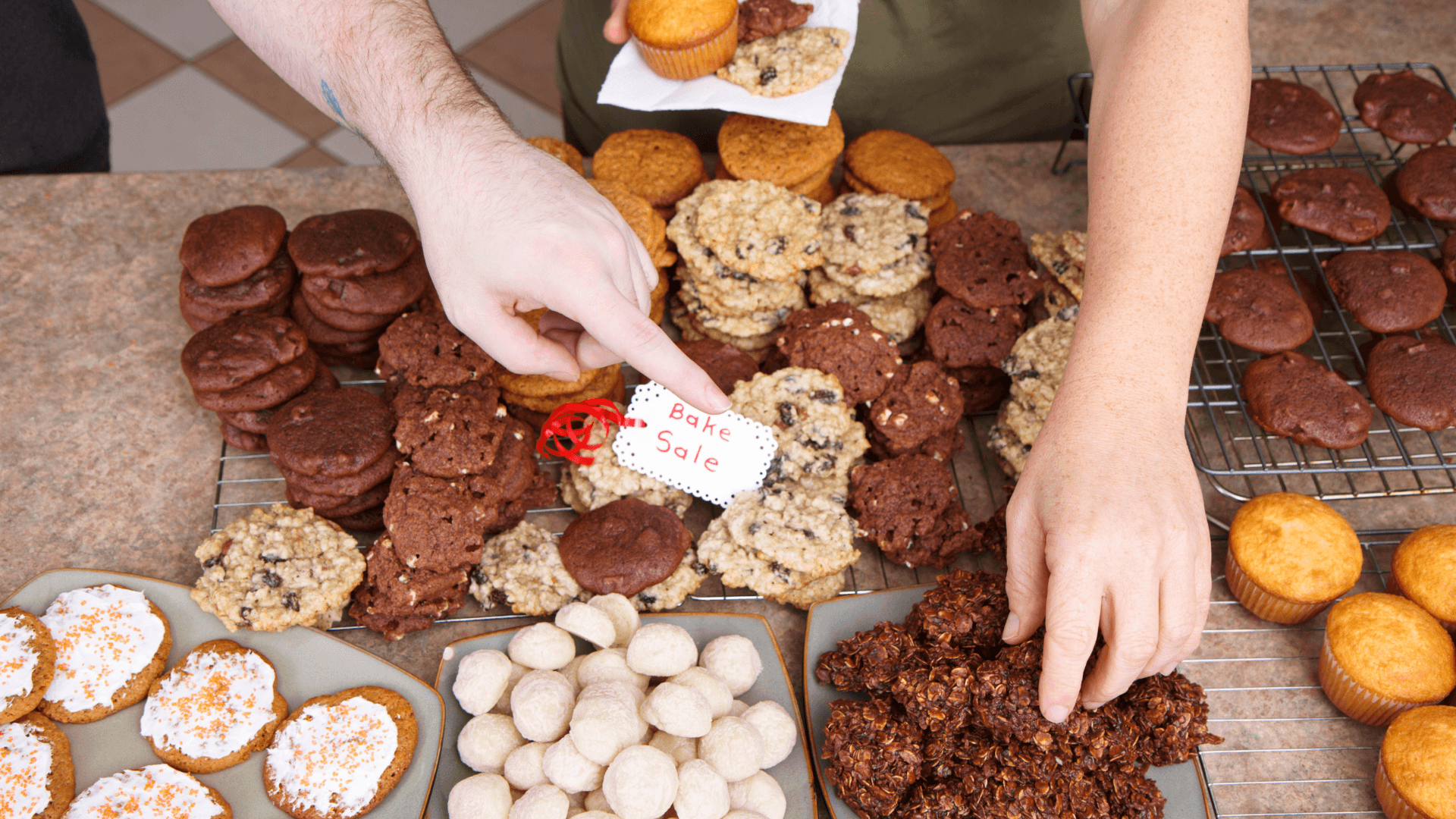
This format works especially well for food fundraising ideas for schools and small community groups. It requires minimal setup and allows volunteers to contribute in small, manageable ways.
How to organize:
- Limit items to a small, manageable menu
- Use clear, round-number pricing
- Offer bundles like “3 for $5” to increase order size
Focus on high-demand items like brownies, cookies, and cupcakes. These are consistently among the best foods to sell for fundraising because they are easy to prepare and widely accepted across age groups.
2. Snack packs
Pre-packed snack options reduce setup time and speed up sales. These work well in high-traffic environments where people want quick purchases without waiting in line.
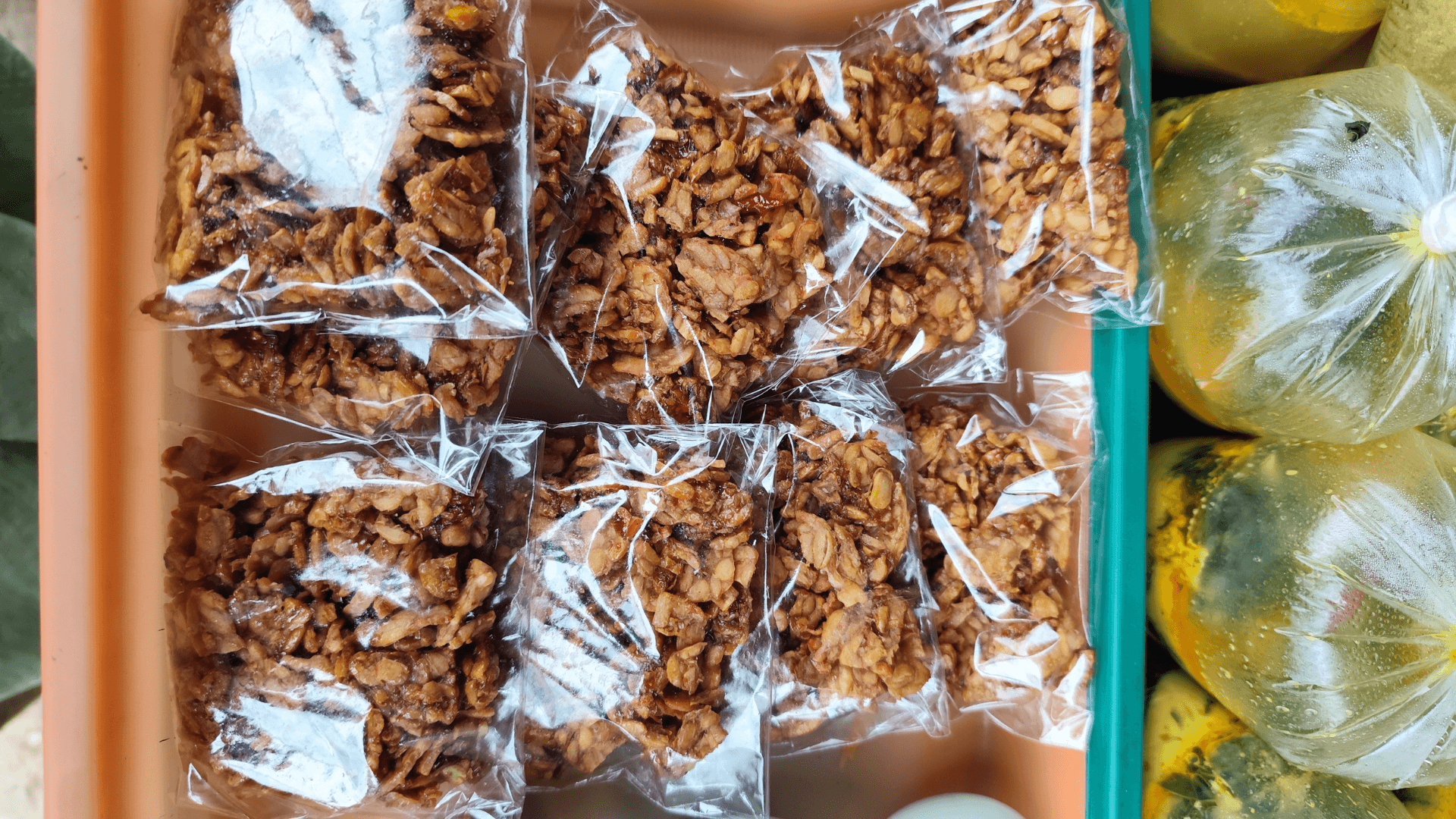
They also remain one of the most effective and easy food fundraiser ideas for small groups because they remove complexity. Everything is prepared in advance, which keeps operations smooth during the event.
How to organize:
- Prepare packs in advance with consistent portions
- Price slightly above individual item value
- Keep checkout fast with minimal handling
Include a mix of sweet and savory items to increase appeal. Using transparent packaging and easy-to-understand price points helps supporters make quick decisions, which improves overall sales volume.
3. Coffee and snacks
Coffee paired with light snacks is almost always a hit if you are hosting a morning event or early gatherings. This setup works well in offices, school events, and community meetups where people expect quick refreshment options.
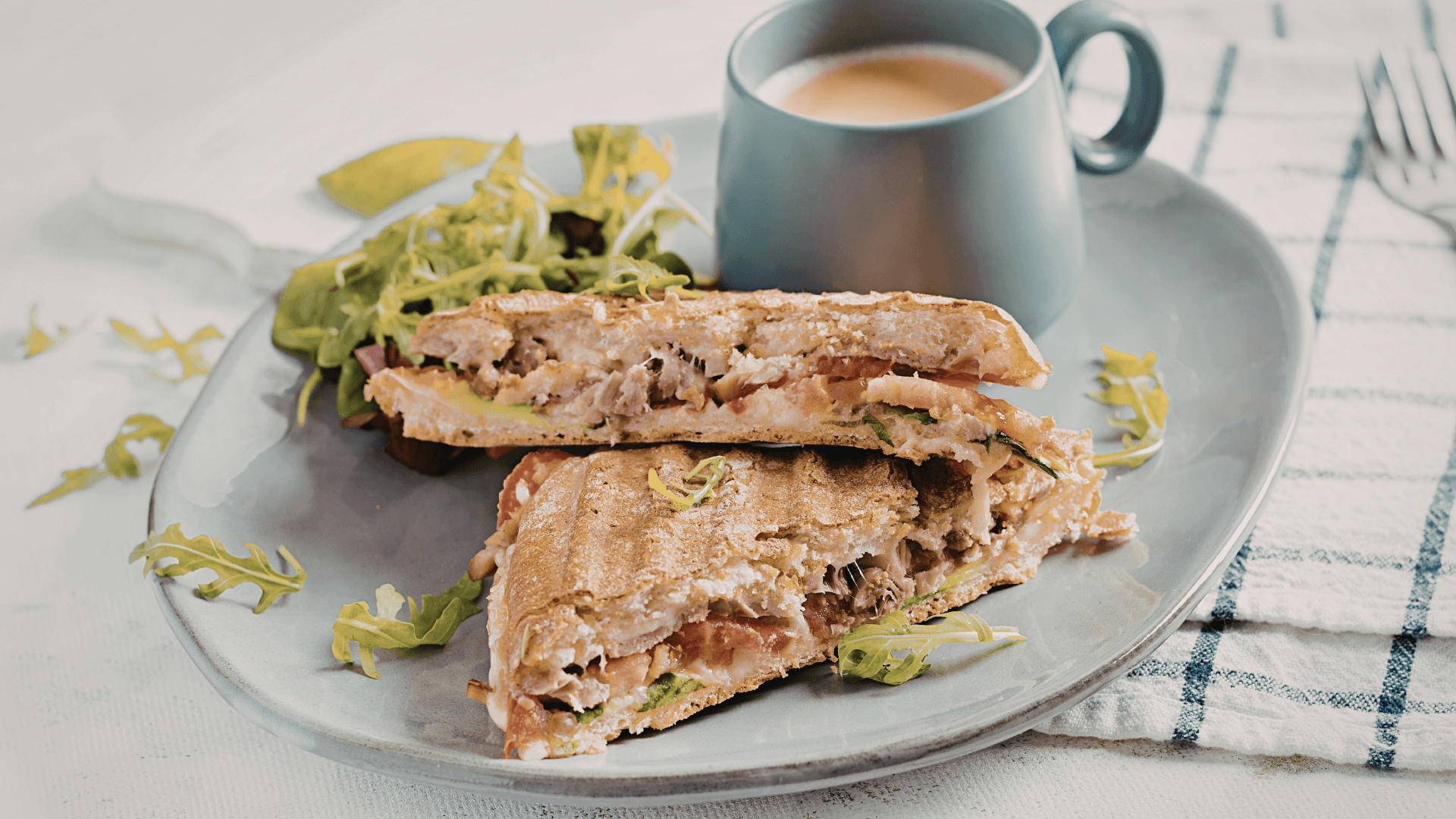
This format also works when you want to test easy food fundraising ideas without significant upfront effort. This is because it offers a great starting point.
How to organize:
Start with a small menu that includes coffee, tea, and one or two snack options. Keep pricing straightforward so supporters can decide quickly. You can also offer a bundle, such as coffee or tea with a snack, to increase average order value without adding complexity.
Placement matters here. Set up near entrances or high-traffic areas where people naturally stop.
4. Pre-order meal pickup
Pre-order and take-home meals let supporters order in advance and pick up a prepared meal. This gives your team predictable revenue and very little waste, and because you cook to confirmed demand, even a small team can handle real volume without pressure.
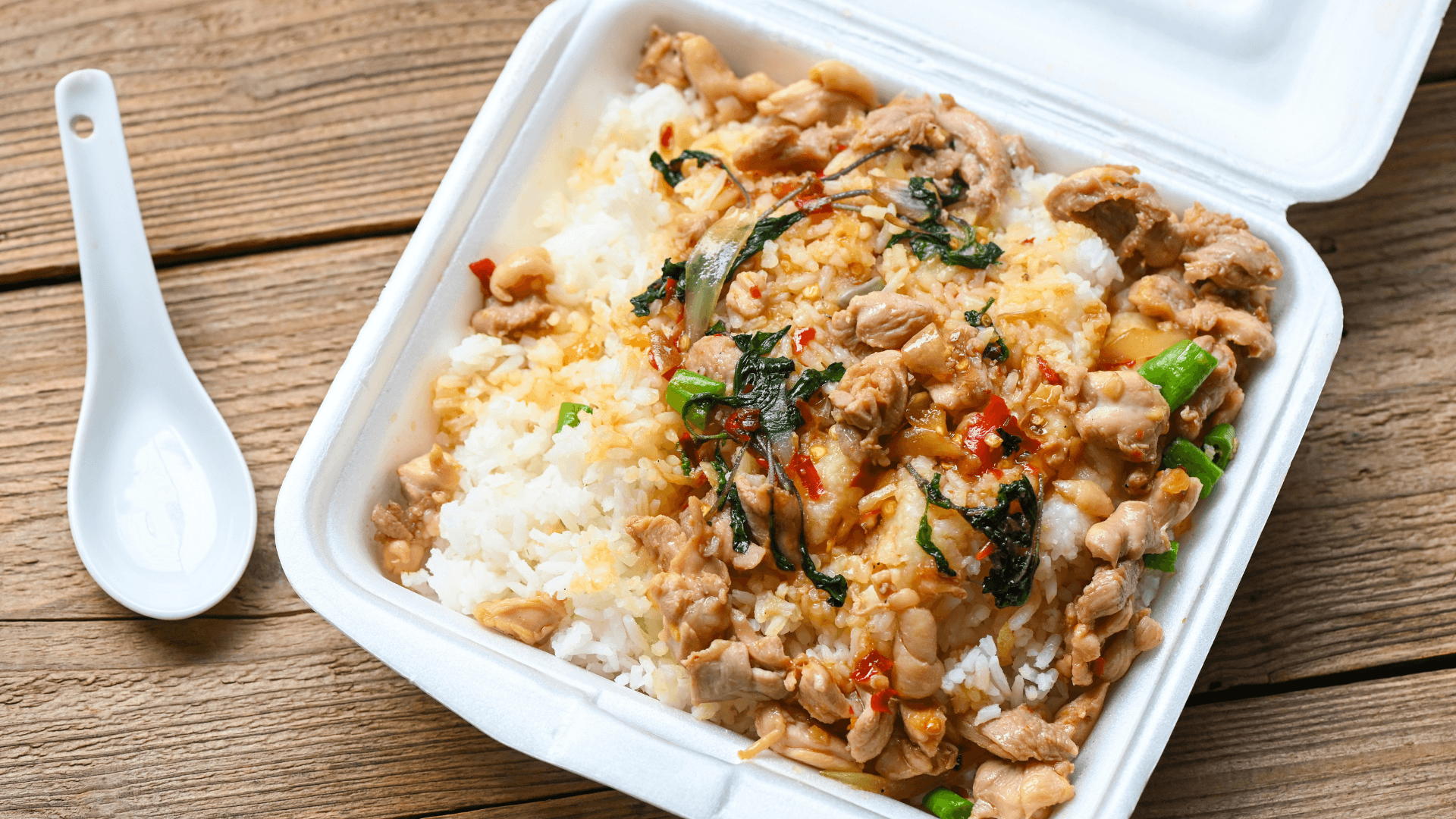
Use this format when you want a steadier income or when supporters would rather take a meal home than dine on site.
How to organize:
- Collect orders and payment ahead of time through digital forms or online tools
- Prepare meals to confirmed demand, and offer family-size options to raise order value
- Assign fixed pickup time slots to avoid crowding
Meals like pasta, rice bowls, casseroles, or sandwiches are easy to portion, prepare in bulk, and distribute. A focused, repeatable menu keeps quality consistent and protects margins, and pre-orders give you visibility to avoid overproduction.
A campaign page can make that even easier by handling pre-orders, donation options, and pickup reminders in one place. RallyUp (an all-in-one fundraising platform) lets you manage all of this from one place, with tools for ticketing, payments, and supporter communication built into a single campaign setup.
5. Pancake breakfast
A pancake breakfast is one of the most familiar community fundraising formats. It draws a wide audience because the format is well understood, pricing is accessible, and the experience feels casual and welcoming for families and individuals alike.

Ticket pre-sales help your team plan supplies accurately and reduce waste. This format works especially well when you have access to a kitchen or cafeteria space.
How to organize:
- Sell tickets in advance to confirm attendance numbers
- Keep the menu simple: pancakes, syrup, butter, coffee, and juice
- Assign clear volunteer roles, including cooks, servers, greeters, and cleanup
Consider adding a raffle or silent auction during the event to increase total funds raised beyond ticket revenue.
Morning time slots often work well for pancake breakfasts, but choose a time based on your audience’s schedule. Also, avoid time slots that compete with church services, youth sports, community events, or school schedules.
6. Spaghetti dinner
A spaghetti dinner fundraiser works because the format is affordable to run and widely appealing across age groups. Ticket pricing typically ranges from $10 to $20 for adults, with discounted rates for children to keep it accessible.
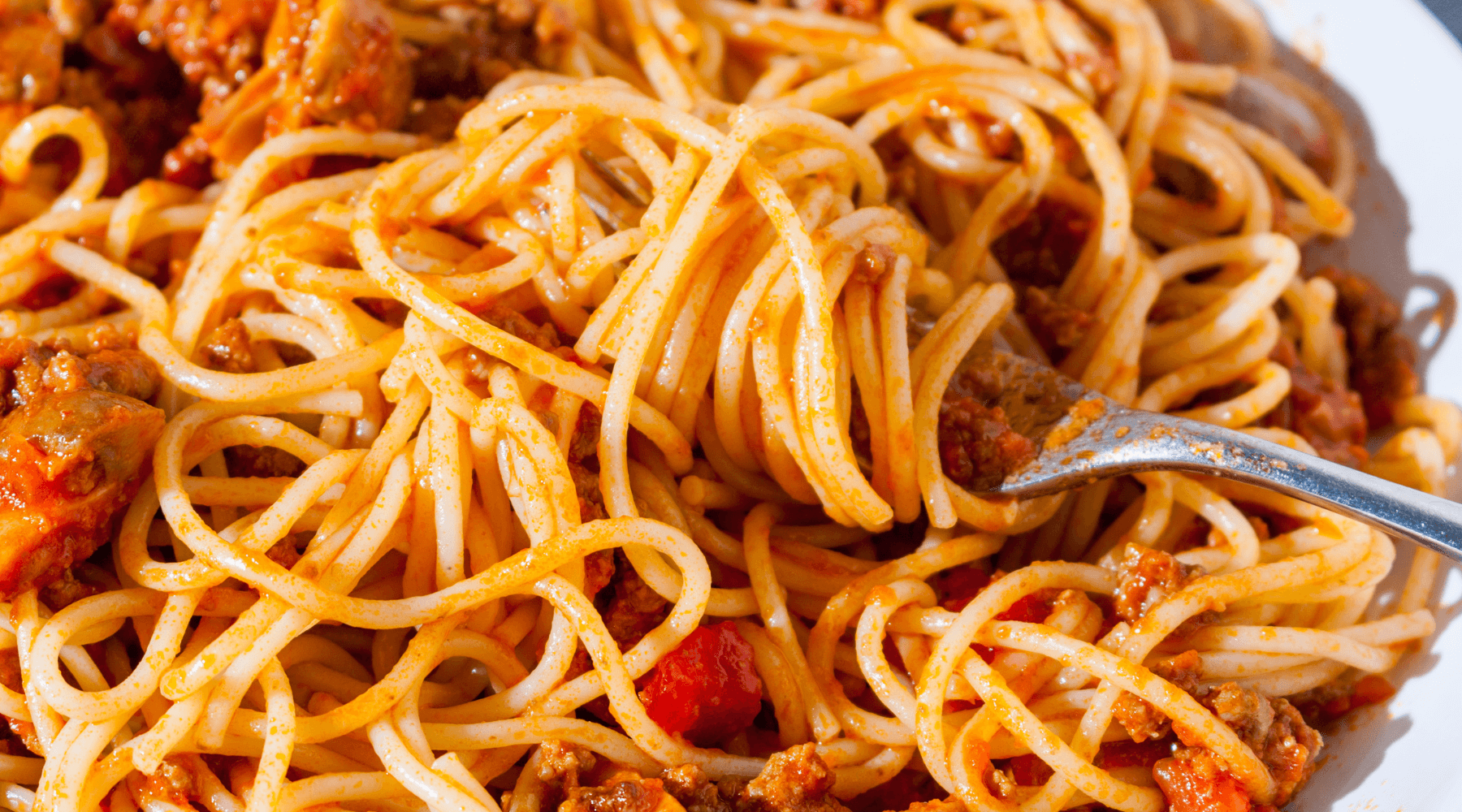
How to organize:
- Offer both meat and vegetarian sauce options to accommodate more guests
- Include sides like garlic bread and salad to round out the meal
- Add a raffle or sponsored items table to boost revenue beyond ticket sales
Keep the menu focused and portions consistent. Asking local businesses to donate food or sponsor the event can significantly reduce your costs and increase your margin.
7. Pizza fundraiser
A pizza fundraiser can take two forms: a partnership with a local pizzeria where a percentage of sales on a specific night goes to your cause, or a pre-order sale where supporters buy pizza in advance for pickup. Both formats are low-effort and easy to repeat.
The restaurant partnership model works especially well for smaller teams because it removes most of the operational work. The pre-order model gives you more control over revenue but requires more coordination.
How to organize:
- For restaurant partnerships, confirm the revenue share percentage and promotion timeline upfront
- For pre-order sales, collect all orders and payments before placing the bulk order
- Promote the event through social media, email, and direct outreach to your supporter base
8. Popcorn fundraiser
A popcorn fundraiser works well as both an ongoing sales campaign and an event-based format. Popcorn has wide appeal, a long shelf life of up to 8 months, and profit margins typically range from 40% to 50%, depending on the supplier and format.

Organizations can sell pre-packaged bags through order forms, online stores, or at events, which makes it one of the more versatile food fundraiser ideas across different group types.
How to organize:
- Partner with a popcorn supplier that offers variety and handles fulfillment
- Run a focused two-week sales window with a clear deadline to maintain momentum
- Offer a mix of classic and gourmet flavors, including butter, caramel, and cheddar
Selling at events with built-in audiences tends to drive the strongest in-person results. Online ordering options extend your reach to supporters who cannot attend in person.
9. Breakfast burrito sale
A breakfast burrito sale is fast to serve, easy to scale, and appeals to a broad audience. The assembly-line format keeps operations efficient even with a small team.
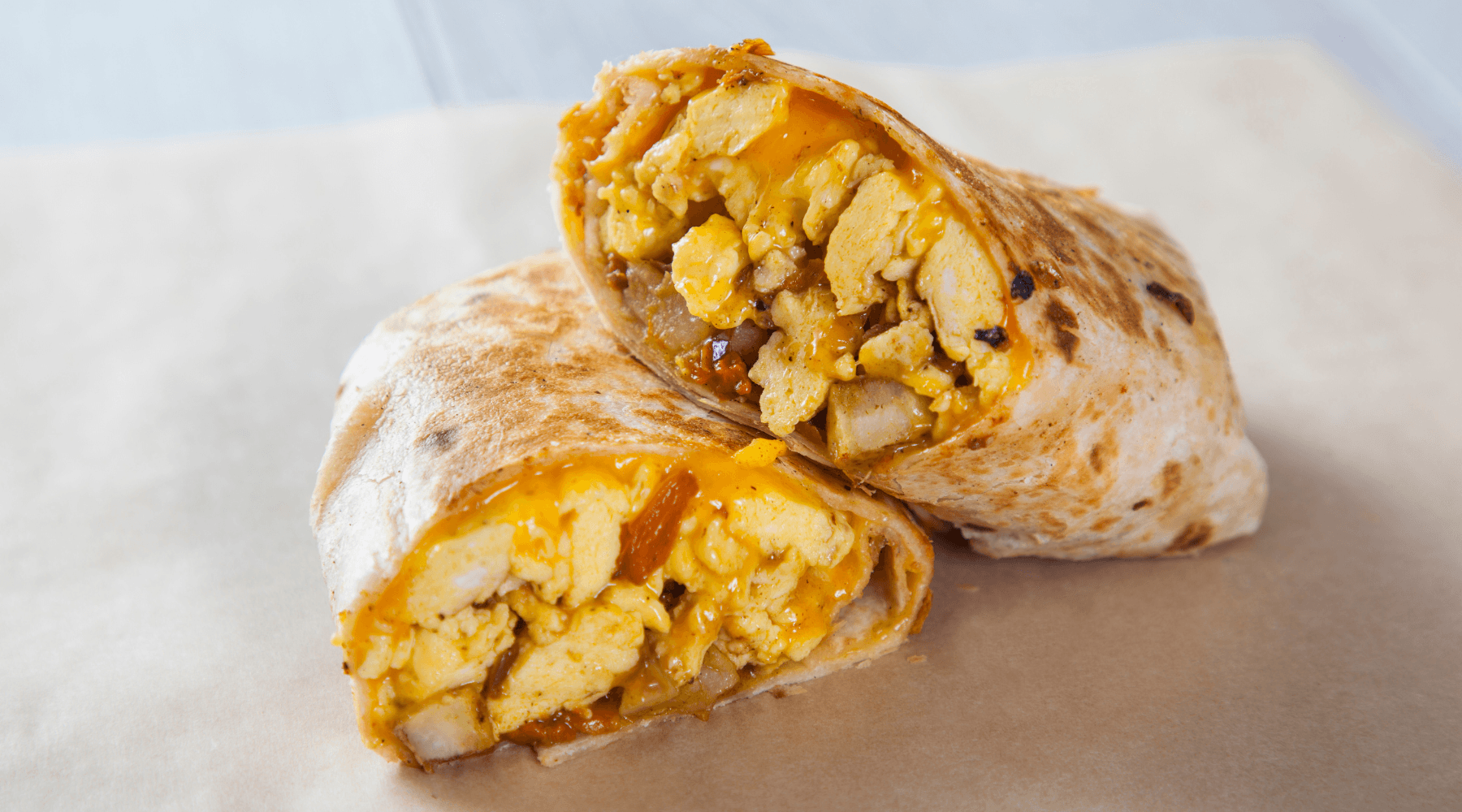
Supporters build their own burritos from a set of options, which increases satisfaction and makes the experience feel more personal. Pre-orders reduce waste and help your team prepare the right quantities in advance.
Once your team is familiar with the setup, the format becomes faster to run with each repeat.
How to organize:
- Set up a long assembly-line table with foil wrapping at the end for fast service
- Offer standard fillings such as scrambled eggs, beans, cheese, potatoes, and sausage
- Take pre-orders where possible to confirm demand before purchasing supplies
Consider offering family packs or bulk bundles to increase average order value.
Food fundraising ideas for larger events and communities
These food fundraising ideas are designed for scale. They bring people together, increase average spend, and create an experience that supporters remember. With the right structure, these formats can deliver strong results across different audiences.
10. Community dinner

A community dinner works because it creates structure around participation. Supporters commit in advance through tickets, making revenue more predictable.
Because of this, it is one of the most reliable fundraising dinner ideas when seeking higher contributions per attendee.
How to organize:
- Set clear ticket pricing tiers
- Include add-ons like raffles or auctions
- Connect the event to your cause through brief storytelling
Keep the menu decluttered and predictable so operations stay smooth. Assign a short speaking moment during the event to clearly explain your impact. Ensure that supporters understand where funds are going, and contributions will increase naturally.
Explore the 10 Best Online Raffle Websites to Host and Sell Tickets in 202611. Themed food nights
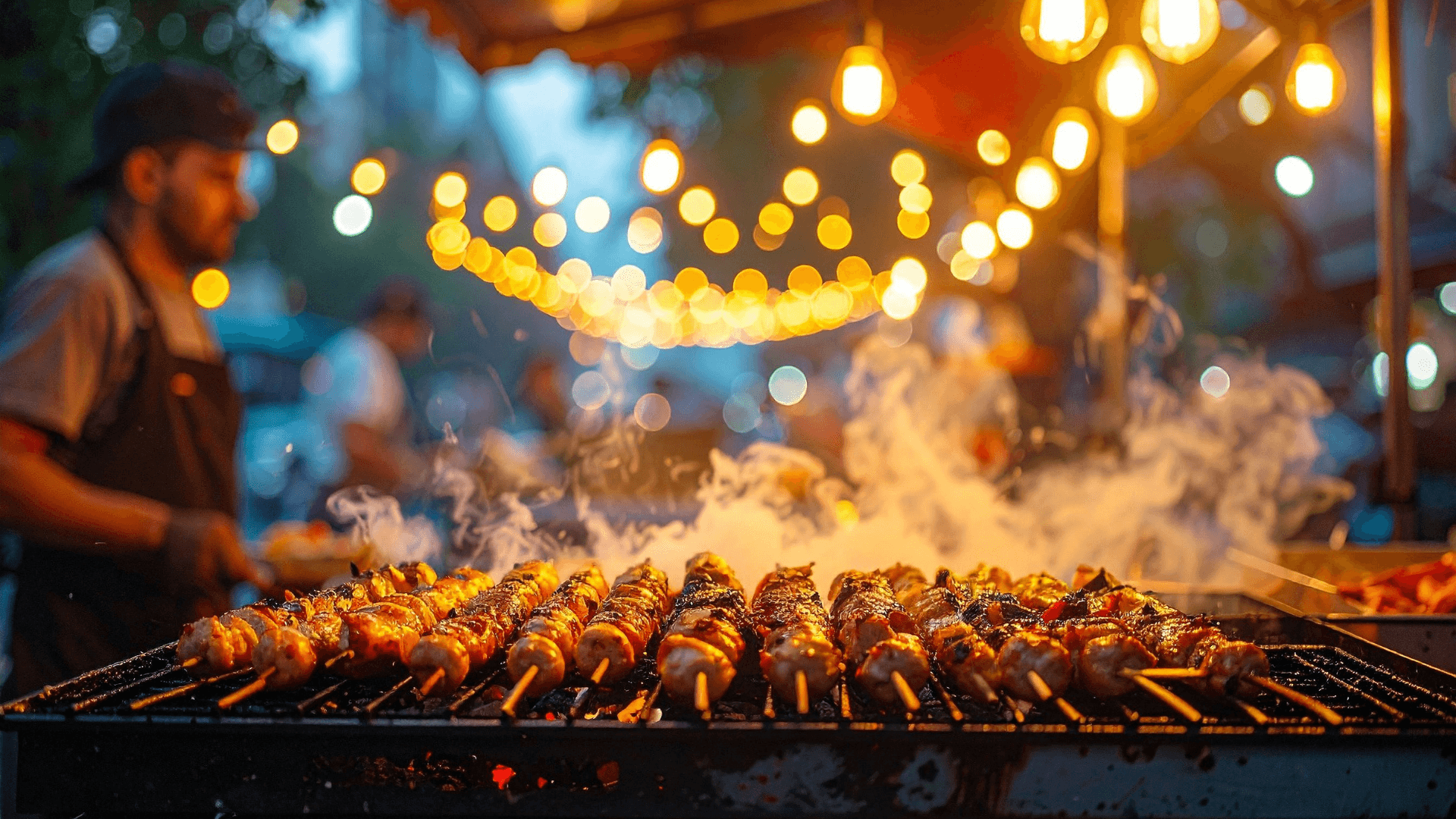
Themed events focus on variety and repeatability. Instead of a single large event, they give you a format that you can run multiple times throughout the year.
Themes like Italian night, Asian street food night, or BBQ evenings are straightforward to execute and widely understood.
How to organize:
- Choose a recognizable, low-complexity theme
- Keep the menu focused
- Schedule recurring dates to build consistency
Recurring themed dinners help you build a predictable fundraising rhythm. Over time, supporters begin to expect and plan for these events, which improves attendance and leads to recurring donations.
12. Food truck event
A food truck fundraiser reduces operational pressure on your team while still delivering strong participation. Vendors handle food preparation and service, allowing your team to focus on promotion and attendee experience.
Use this setup when operating in open spaces such as parking lots, parks, or community centers. You could also attract a wider audience if multiple vendors are present at the event.
How to organize:
- Agree on a revenue share model
- Select vendors that match your audience
- Promote the event as a social gathering
Coordinate with vendors early to align on expectations. Ensure that there are clear agreements on pricing and revenue share to help avoid confusion later.
13. Local cook-off
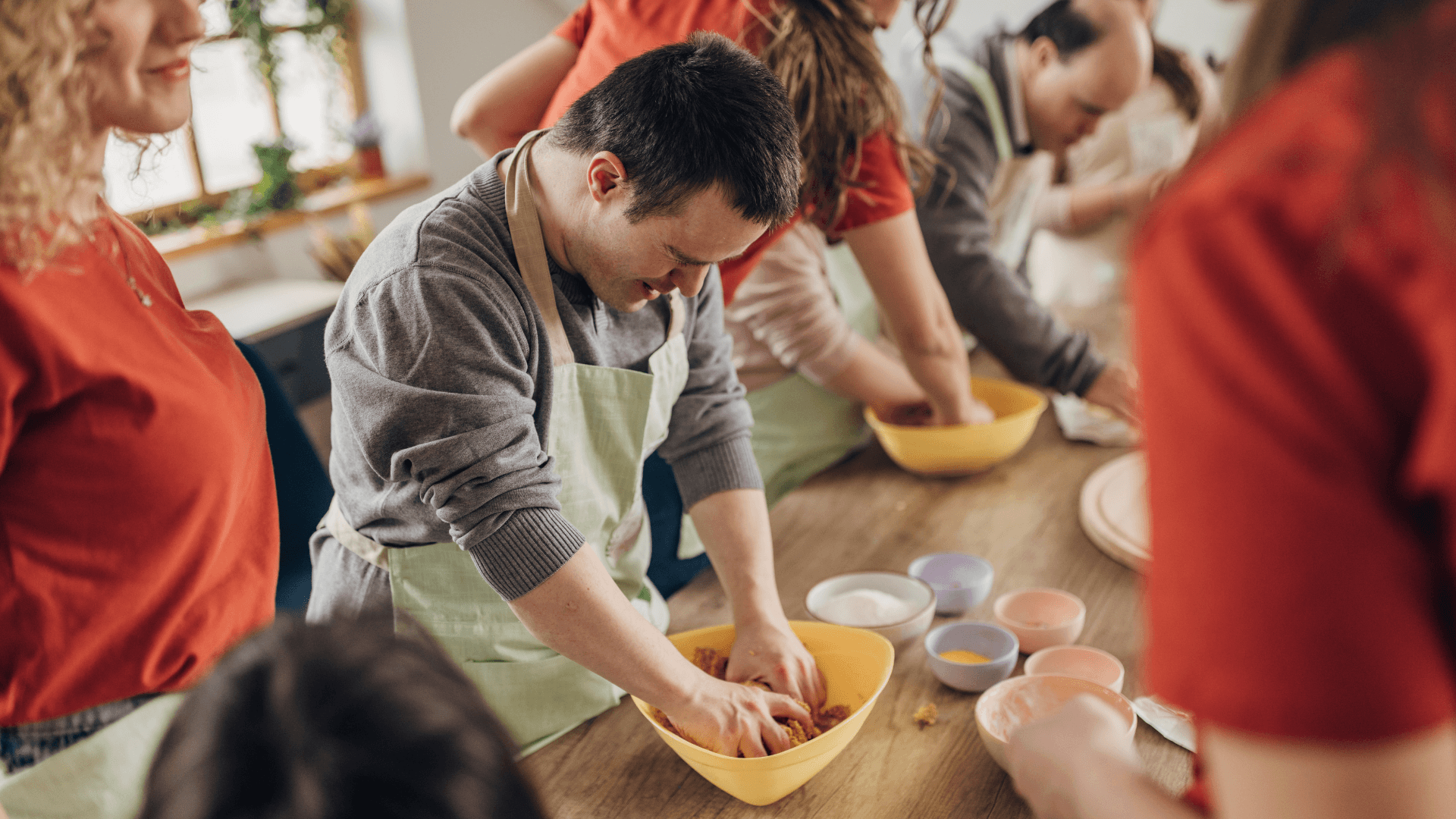
A cook-off pairs a fundraiser with a friendly competition. This drives participation from two directions: people enter as competitors while others attend as tasters and voters.
That mix expands your reach beyond your existing audience and lifts both headcount and engagement. Cook-offs also work as standalone events or as part of a larger food fundraiser.
Chili is a popular pick for fall and winter when the season fits the food, but desserts, barbecue, or a “best of” category work just as well.
How to organize:
- Charge an entry fee for competitors and a tasting fee for attendees
- Set up a simple, transparent voting system so guests can choose their favorites
- Award prizes by category, such as spiciest, most creative, or crowd favorite
Keep logistics simple by asking competitors to bring their dish ready to serve. Sides like cornbread, drinks, and toppings round out the experience without a lot of added prep, and a small audience-voting component pulls more people into the event flow.
Virtual and hybrid food fundraising ideas
Virtual and hybrid fundraising events expand your reach beyond a single location. They give supporters more flexibility while helping your team plan with greater accuracy. These formats work well when attendance is spread out or when you want to include a wider audience.
14. Meal kits
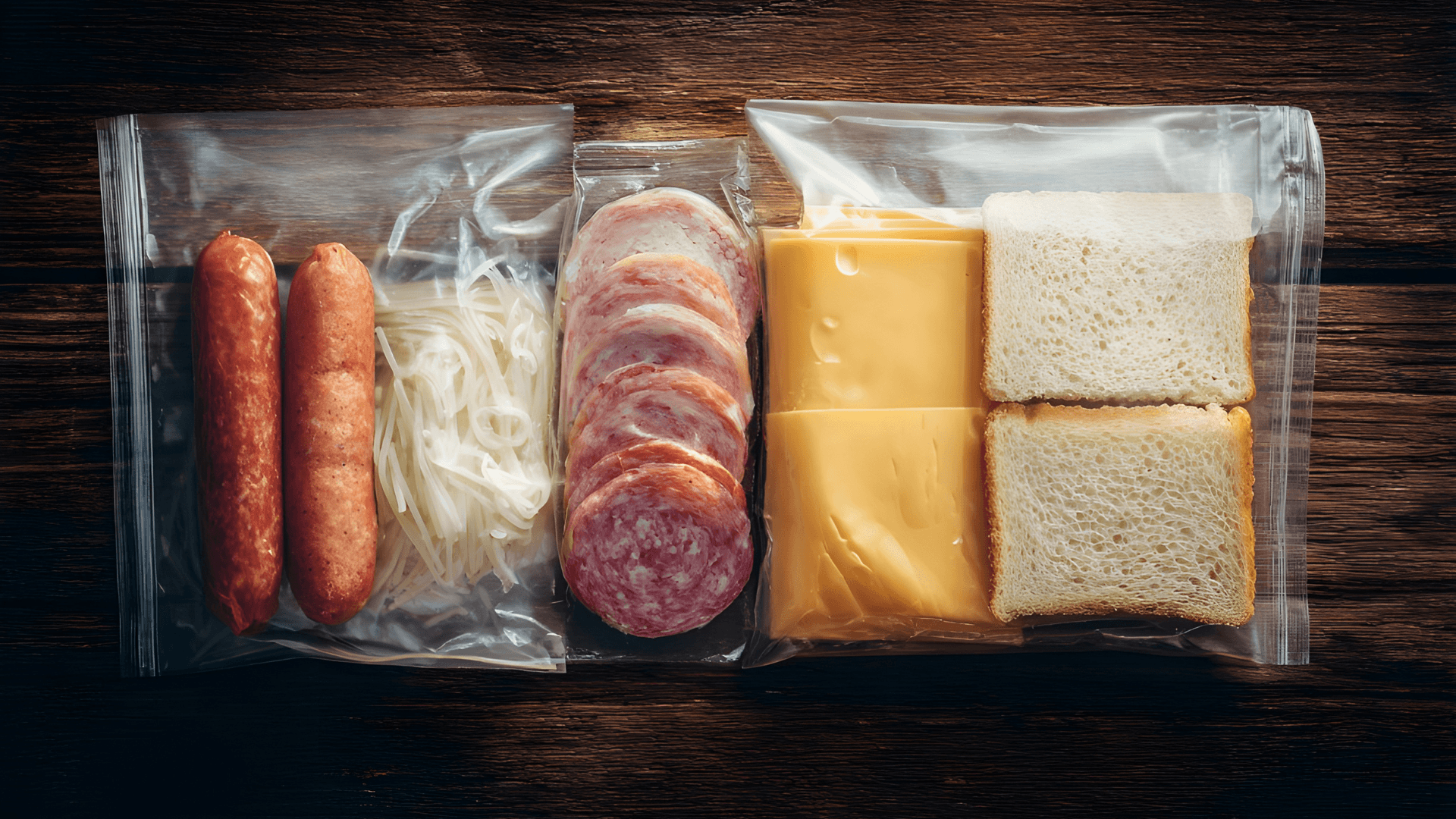
Meal kits let supporters take part on their own time: they order and pay online, pick up (or receive) a kit of pre-portioned ingredients, and cook the meal at home.
They are also one of the more profitable formats because you control portion costs, and tiered pricing lets supporters spend more. Since, the experience doesn’t depend on attending an event, they’re a good fit for supporters who value convenience or can’t make it in person
How to organize:
- Pre-package ingredients in consistent portions
- Provide easy-to-follow instructions
- Price for margin while keeping the value easy to understand
Choose recipes that are easy to assemble and require minimal preparation. Keep ingredient lists short to simplify packing and reduce costs.
15. Virtual cooking sessions
Virtual cooking sessions create engagement while still supporting your fundraising goals. Participants join remotely and follow a guided recipe, making the experience interactive and accessible.
This format works well when your audience values engagement over transactions. It also allows you to connect with supporters who may not be able to attend in person.
How to organize:
Choose a basic recipe that participants can follow without difficulty. Share the ingredient list in advance so everyone can prepare in advance.
Charge a minor participation fee and include a short segment where you explain your cause. This keeps the focus on your mission while maintaining a relaxed environment.
16. Digital recipe collections

Digital recipe collections offer a low-effort way to generate funds without managing inventory or logistics. Supporters receive access instantly, which makes the process easy to follow and scalable.
This approach works well as part of hybrid food fundraising ideas, especially when combined with other activities like meal kits or cooking sessions.
How to organize:
- Curate a collection of easy, appealing recipes
- Package them into a clean, downloadable format
- Price access at a level that feels accessible
You can invite contributors from your community to submit recipes. This adds variety and builds a stronger connection between supporters and your fundraiser.
How to run multiple food fundraising ideas together
Running a single fundraiser can deliver results, but combining multiple formats within a campaign can significantly increase overall revenue. When structured well, different food fundraising ideas can support each other and create more opportunities for participation.
Example: A school hosts a spaghetti dinner. Supporters buy dinner tickets in advance, add dessert bundles at checkout, bid on a silent auction, enter a raffle where legally allowed, and make an optional donation.
One event becomes five giving opportunities without requiring five separate campaigns. A platform like RallyUp, an end-to-end fundraising platform, can keep those activities connected through one campaign page, one checkout flow, and one reporting view.
The key is to keep everything organized under one clear structure. Supporters should be able to understand how each part of the campaign works without confusion.
How to organize:
- Choose one primary event as the anchor, such as a dinner or food truck gathering
- Add one or two supporting activities that complement the main event
- Keep pricing and participation steps easy to follow across all formats
Timing plays an important role when combining formats. Introduce additional activities at natural points during the event, such as between courses or during breaks. This keeps attention steady without overwhelming attendees.
When combining food fundraiser ideas with intent, you create a more structured experience. They also open up additional revenue opportunities without adding unnecessary complexity.
However, clear role assignment is essential. Volunteers should know exactly what they are responsible for. This keeps operations smooth and prevents confusion during peak moments.
Common mistakes in food fundraising ideas
Even strong food fundraising ideas can underperform when execution details are overlooked. These are the most common mistakes that reduce participation and impact results:
- Overcomplicating the menu: Offering too many options slows down service and creates confusion for supporters. A smaller, tighter menu is easier to manage and helps maintain consistent quality.
- Pricing inconsistently: Unclear or uneven pricing makes it harder for supporters to decide quickly. Round-number pricing improves flow and increases average order value.
- Ignoring compliance requirements: Skipping permits or food safety guidelines can create last-minute disruptions. Planning ensures your fundraiser runs smoothly without unexpected issues.
- Poor timing and promotion: Launching too late and not knowing how to promote a fundraiser can drastically reduce turnout. Early communication and clear reminders help build participation and maintain momentum.
Build a food fundraiser that your community will respond to
Food fundraising ideas work best when execution is clear and consistent. A straightforward setup, focused menu, and defined pricing structure make it easier for supporters to participate without hesitation.
Start with a format that fits your team and your audience. A small group may benefit from quick formats like snack sales or pre-orders, while larger groups can support structured events such as dinners or community gatherings. The right fit keeps operations manageable and improves turnout.
Consistency matters across every step. Clear pricing, defined roles, and a smooth checkout process help maintain flow during the event. These details reduce friction and increase average order value.
Over time, well-structured food fundraisers become repeatable. Each campaign builds on what worked before, making future efforts easier to plan and execute.
When you are ready to run your next campaign, RallyUp’s end-to-end fundraising platform gives you the tools to manage sales, track participation, and keep everything organized in one place.
Sign up today to run your food fundraiser with clarity and control.FAQs on food fundraiser ideas
The most profitable fundraisers combine high participation with strong margins. Food fundraising ideas like dinners, meal pre-orders, and bundled offers perform well because they increase average order value while keeping costs controlled.
There’s no single official list, but one common version of the 5 P’s is Purpose, People, Plan, Promotion, and Performance.
Definitions vary, but one common version of the 3:1 rule suggests that for every unit of effort or cost, a fundraiser should aim to generate about three units in return.
These frameworks aren’t standardized, but one common version of the 3 C’s is Connection, Communication, and Consistency.
Now that you’ve seen it in action, are you ready to start fundraising?
Get Started