75 Fundraising Ideas for Nonprofits to Fill Rooms, Raise More, and Keep Donors Coming Back
Fundraising Ideas for Every Nonprofit
Whether you’re just getting started or ready to go all out, there’s something here for every nonprofit:
Free & easy: Spare a change, crowdfunding campaign, teach a skill workshop, birthday fundraiser
Tried & tested: Trivia night, bake sale, walk-a-thon, cookbook sale
Classic fundraising event: Annual gala, golf tournament, charity concert, silent auction
Creative & unique: Shave-a-thon, paint-and-sip, escape room, pet competition
Themed fundraising: Decades night, masquerade ball, murder mystery night, around the world
Once you’ve picked your ideas, RallyUp’s end-to-end fundraising platform makes it simple to plan, run, and manage any fundraiser.
Every nonprofit needs money to keep its doors open, its programs running, and its mission alive. But asking for donations the same way, year after year, gets old fast for your team and your donors alike.
Coming up with fresh ideas, though? That’s a whole different job. So we did the hard work for you and rounded up 75 fundraising ideas for nonprofits – ranging from simple and easy to launch, to fun and genuinely memorable.
The best part is none of these make fundraising feel like a chore. Some cost nothing to get off the ground while others can turn a single afternoon into thousands of dollars. A few just need the right season and a willing team to pull it all together.
Let’s get into it.
In this article
- Before you fundraise: Legal and compliance basics for nonprofits
- Zero-effort starters: Free and easy fundraising ideas
- Tried, tested, and successful: Popular fundraiser ideas for nonprofits
- Classic fundraising event ideas for nonprofits
- Go Big or go home: Unique fundraising ideas for nonprofits
- Right time, right cause: Seasonal fundraising ideas for nonprofits
- Turn these ideas into action with RallyUp!
- FAQs on fundraiser ideas for nonprofits
Before you fundraise: Legal and compliance basics for nonprofits
Running a fundraiser feels exciting until a legal issue ends up undoing all your progress. So, before you launch any campaign or event, here are a few compliance basics every nonprofit should have sorted.
1. Tax-exempt status has limits
Having 501(c)(3) status doesn’t mean every donation is tax-deductible for your donors. Donor deductibility still depends on IRS rules, the donor’s individual tax situation, and having the right documentation in place. You also need to check state rules on sales tax, licensing, and permits.
On top of that, most states require nonprofits to register before soliciting donations from their residents. Check your state’s charitable solicitation requirements before launching any campaign.
2. Disclose quid pro quo contributions
A quid pro quo contribution is a payment a donor makes to a charity partly as a contribution and partly for goods or services. For example, paying $100 for a gala ticket that includes a $40 dinner.
If that total payment exceeds $75, your organization must provide a written disclosure statement. They must also issue an acknowledgement if the contribution is of $250 or more.
3. Make your event accessible and safe
When planning any physical event, consider attendees with disabilities from the start. Choose venue with step-free access, place sign language boards or use large print materials where needed, and ensure all event communications are accessible.
Beyond accessibility, have a written emergency plan and liability waivers in place before the day. If your event involves children, ensure all supervising volunteers are background checked. For events with animals, have clear handling protocols ready.
4. Selling products can trigger taxes
Before selling anything, understand the legal implications for your nonprofit. If an activity is a trade or business, regularly carried on, and unrelated to your exempt purpose, it may be subject to unrelated business income.
So, consult an advisor or check the laws before selling merchandise or running paid services.
5. Raffles need a license
Most states require a charitable gaming or lottery license before you run any raffle or prize draw. Some states, including Alabama and Hawaii, prohibit paid-ticket raffles entirely, even for nonprofits. Check your state’s rules before you plan or promote anything raffle-related.
6. Permits and licenses for events
Selling food at public events often requires a temporary food handler’s permit from your local health department, even for bake sales.
Moreover, using a public park, street, or plaza for an event typically requires a permit from your city or county. Apply early since approvals can take weeks.
Zero-effort starters: Free and easy fundraising ideas
Best for: These ideas work well for nonprofits that are just getting started or running on a tight budget. They don’t need a big budget, expensive tools, or months of planning to pull off.
If you have a dedicated team and a community, these easy fundraising ideas for nonprofits are all you need to get started.
1. Spare a change
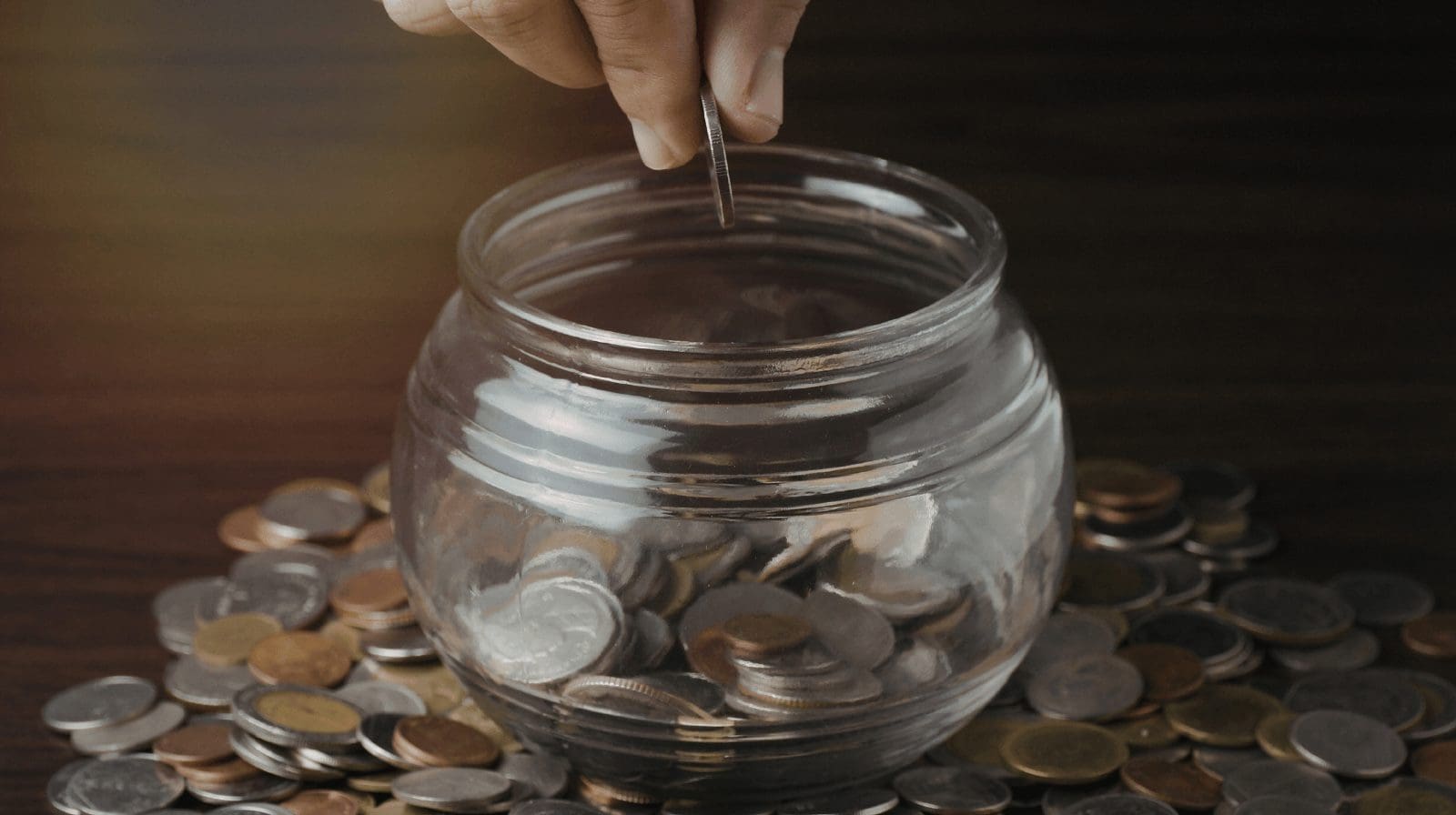
Ask supporters to drop loose change into collection jars placed around your community. Most people won’t think twice about giving a few coins, and those small amounts add up faster than you’d expect.
How to do it right
- Place jars in high-traffic spots like coffee shops, grocery stores, and pharmacies.
- Assign someone to each location and replace jars every two weeks.
- Add a short message like “Your spare change feeds 3 kids today” to grab attention.
- Have your team post campaign photos online to spread the word.
2. Crowdfunding campaign
A crowdfunding campaign puts your cause in front of thousands of people. With the right tool, your supporters can also create their own pages to reach their network, bringing more reach to your campaign.
How to do it right
- Lead with a specific goal like “We need $2,000 to feed 150 families this month” rather than a vague appeal.
- Post regular updates so donors feel like they’re part of the progress.
- Set a clear deadline because open-ended campaigns lose urgency fast.
- Ask 10 to 15 close supporters to share on day one to get immediate traction.
See how RallyUp can help you with crowdfunding
Top Dog struggled with two platforms before switching to RallyUp to run a crowdfunding campaign. Each pup got its own fundraising page, and every dollar counted as a vote, with live rankings and peer-to-peer competition keeping donors engaged until the very end.
The result: Nearly double the funds raised compared to the previous year, achieving an impressive 90% growth in a single year.
3. Birthday fundraiser

Why get gifts when your birthday can change someone’s life? Your supporters ask friends and family to donate instead of buying presents and with free donation tools, the whole thing takes minutes to set up.
How to do it right
- Help supporters set up a donation page with clear copy and flexible giving levels they can share instantly.
- Send a thank-you that acknowledges both the donor and the birthday person.
- Encourage supporters to set it up a week before their birthday so donations have time to come in.
- Make use of free fundraising platforms that offer pre-designed templates to start easily.
4. Teach a skill workshop

Everyone on your team has a skill or hobby worth sharing. Turn that into a fundraiser by hosting short, paid sessions on weekends or weekdays and charging a small attendance fee.
How to do it right
- Keep sessions 60 to 90 minutes and host them virtually, at your office, or a local community center.
- Record the session and sell it as a paid download afterward to keep the fundraiser going beyond one day.
- Pick a skill or hobby that’s already popular in your community or something in demand and easy to get started with.
5. No spend challenge
Ask your donors to skip unnecessary spending for a day, weekend, or week and donate what they would have spent. It’s part personal challenge, part fundraiser, and people love sharing it because it feels like an achievement.
How to do it right
- Give participants a simple tracker to log their savings and watch their total grow each day.
- Suggest a giving range upfront so people know what a realistic donation looks like at the end.
- Encourage participants to share their progress publicly since peer participation is what makes this spread.
- Start with your closest supporters and team first. When they share it, the momentum builds on its own.
6. Online skills auction
Unlike a workshop, this one lets supporters pick exactly what they need. Volunteers offer services like AI, graphic design, or marketing, and donors bid on them. Everyone walks away with something valuable.
How to do it right
- Set a minimum bid for each service so volunteers’ time isn’t undervalued.
- Lead with skills your neighborhood actually needs to drive the most interest.
- Make sure to set up clear guidelines for these services to run them smoothly.
7. Morning coffee

Set up a simple coffee stand in your neighborhood (using your own machine or teammates) and sell cups to people starting their day. It costs almost nothing to run, and coffee is the one thing most people won’t say no to in the morning.
How to do it right
- Pick a spot with natural foot traffic like a park entrance, outside a gym, or near a bus stop.
- Keep the menu simple, black coffee and one or two basics, so setup stays quick.
- Put up a small sign explaining the cause so people know where their cup is going.
- Run it on weekends or weekdays, whichever sees more foot traffic in your area.
8. Pet care/dog walk

Busy pet owners are always looking for someone reliable to walk or sit their animals. As an animal shelter, you offer those services in exchange for donations and you’ve got a fundraiser that practically sells itself.
How to do it right
- Set clear service terms upfront like walk duration, coverage area, and what pet care includes.
- Have volunteers work in pairs for safety, especially with first-time clients and those who are good with pets.
- Offer a recurring weekly slot for regular donors to turn it into a steady income stream.
9. Tutor-a-thon
Your team members come from different backgrounds and have an interest in different subjects. Pull that together and you’ve got a tutor-a-thon, a paid tutoring session where parents get real academic help for their kids and the money goes straight to your cause.
How to do it right
- Survey your team first to map out what subjects they can confidently teach, from math to test prep to a second language.
- Set a per-session rate that feels fair locally, typically $15 to $30 for a 45-minute session.
- Block out a single day with back-to-back sessions so it feels like an event, not a scattered service.
- Promote it to local schools, parent Facebook groups, and community boards two to three weeks out.
10. Doorstep service drive
Many elderly residents and people with disabilities need help with simple tasks but don’t always have someone to call. Your volunteers show up, offer light help like garden clean-ups or basic yard work, and ask for a small donation in return.
How to do it right
- Stick to simple, low-risk tasks that don’t require professional licenses or equipment.
- Set a suggested donation range so residents know what to expect when they open the door.
- Spread the word through local churches, community groups, and family networks/i.
- Run it on weekends when more people are home and send pairs to cover more ground in less time.
- Wear branded shirts or carry some materials to raise awareness about your mission.
Rely on RallyUp to run your a-thon events with success!
Sycamore Elementary School’s PTA was running a read-a-thon that parents found confusing and hard to manage. They switched to RallyUp’s a-thon format, and the difference was immediate.
Over 250 students participated in their first math-a-thon — raising $18,426 in year one and $16,125 the next, totaling $34,551 across two years.
The funds helped build a Google Chrome lab, a STEAM garden, and improved their school library.
11. Social media challenge
Create a simple, shareable challenge where participation comes with a donation. Every person who joins nominates others to do the same, and suddenly your cause is spreading across feeds without spending a penny on promotion.
How to do it right:
- Keep the donation small, $5 works well, so no one hesitates to join.
- Tie each donation to a specific person or need so it feels personal, not generic.
- Make tagging the next three people part of the challenge so it keeps spreading on its own.
- Offer every donor a spot at your next event to give the challenge a tangible reward.
- Start with your team and closest supporters so it starts with good momentum.
Tried, tested, and successful: Popular fundraiser ideas for nonprofits
Best for: These are the fundraisers that have stood the test of time because they work across different communities, budgets, and causes. They’re familiar enough that people know what to expect, which makes it easier to get them through the door.
With a small twist, these can become some of the most successful fundraising ideas for nonprofits:
12. Bake sale
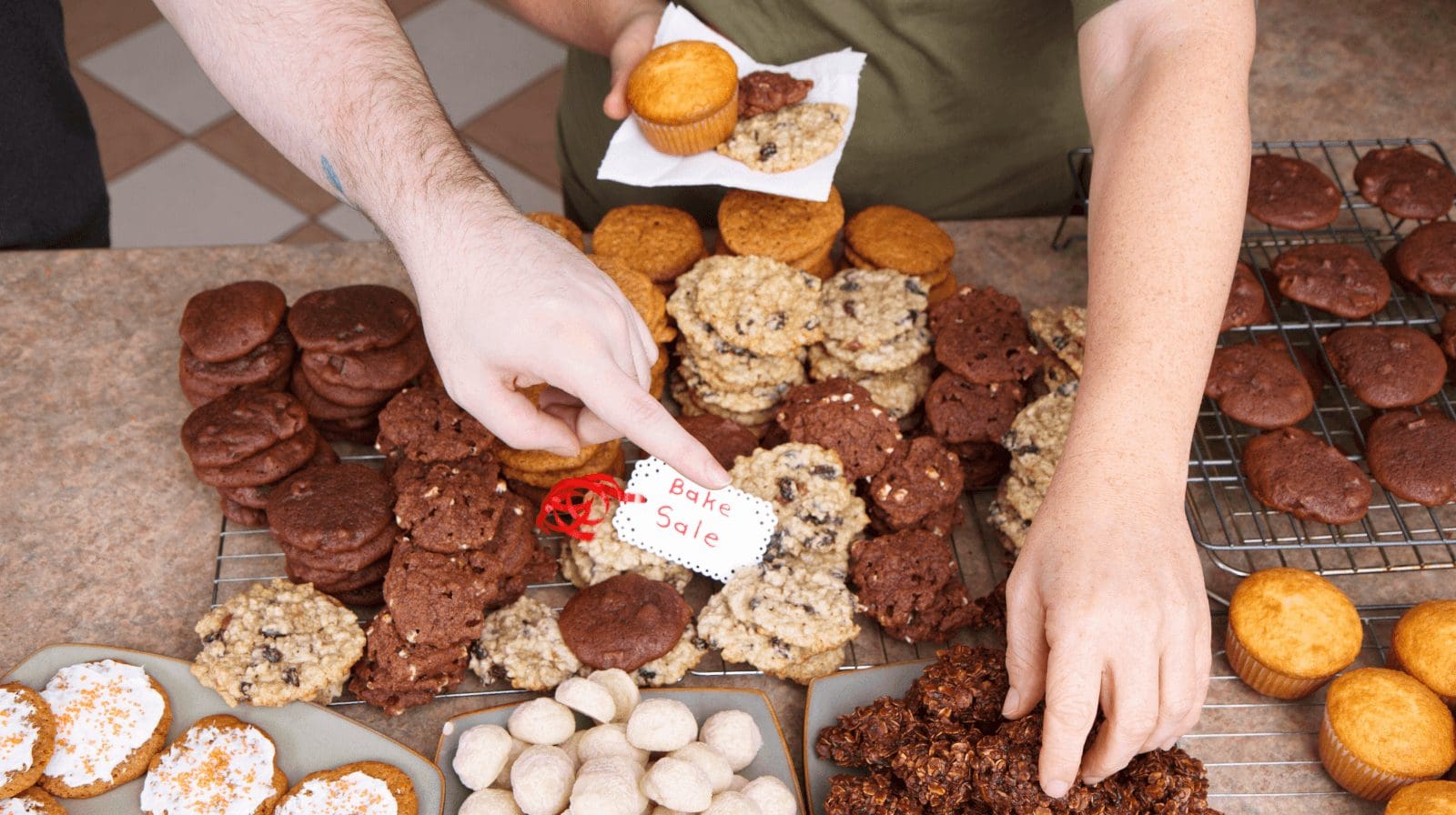
A bake sale is one of the oldest community fundraisers for a reason: people love food, and they love buying it for a good cause. Set up a table, bring your best recipes, and let the smell do the work.
How to do it right
- Pick a location where people gather easily, such as school gates (with permission), farmers’ markets, church exits, and local parks.
- Label every item with ingredients so people with allergies feel comfortable buying.
- Add a donation jar for people who want to give without taking anything home.
13. Car wash

Volunteers wash cars in exchange for donations, making it one of the most hands-on community fundraisers. Weekends work best since that’s when people have time and are already thinking about cleaning their cars.
How to do it right
- Set up in a church parking lot, school ground, or local parking spot where cars can easily pull in and out.
- Offer a suggested donation amount instead of a fixed price so people can give more if they want.
- Put up a simple sign tying the wash to your cause. People are more likely to stop when they know it’s going somewhere good.
14. Trivia night
Trivia night pulls in people who’d never come to a formal gala but will absolutely show up to compete. Teams pay an entry fee, the atmosphere stays fun and casual, and it’s one of those fundraisers people actually look forward to.
How to do it right
- Mix question categories so it’s accessible to different ages and interests, not just pop culture or sports.
- Charge per team rather than per person so groups self-organize and logistics stay simple.
- Add a donation-based bonus round where teams can buy extra points or steal from another team to spike the energy.
- Partner with a local bar or restaurant for the venue, or host it in your own garden if you have the space.
15. 50/50 raffle
The 50/50 raffle is one of the most classic fundraising formats out there. Half the pot goes to one lucky winner, the other half goes to your cause, and the bigger the pot grows, the easier it is to sell tickets.
How to do it right
- Run raffles alongside another event like a gala or trivia night, where you already have a crowd.
- Have volunteers circulate selling tickets rather than waiting at a single booth.
- Set a clear ticket price and offer a bulk deal like 3 for $10 to nudge people into buying more.
Want to run a raffle that actually scales? Pick RallyUp!
USA Field Hockey needed a platform that could handle a mass-scale raffle event, and RallyUp delivered. They ran four online raffles for their Nexus Championship fundraiser and used peer-to-peer teams with live leaderboard updates to spark friendly competition.
The result: Raising over $120,000 in just 10 days — a 300% increase compared to the previous year.
16. Talent show

Open the stage to singers, comedians, dancers, and poets, charge an entry fee, and let the community decide who wins. It brings out people who want to perform and people who just want to watch, which means a bigger crowd and more money raised.
How to do it right
- Charge both a participant entry fee and an audience ticket fee to maximize revenue from both sides.
- Plan the lineup in advance and share it with your audience so people show up knowing what to expect.
- Keep it to 8 to 10 acts with a certain time limit cap on performance so the show doesn’t drag on too long.
17. Bingo night
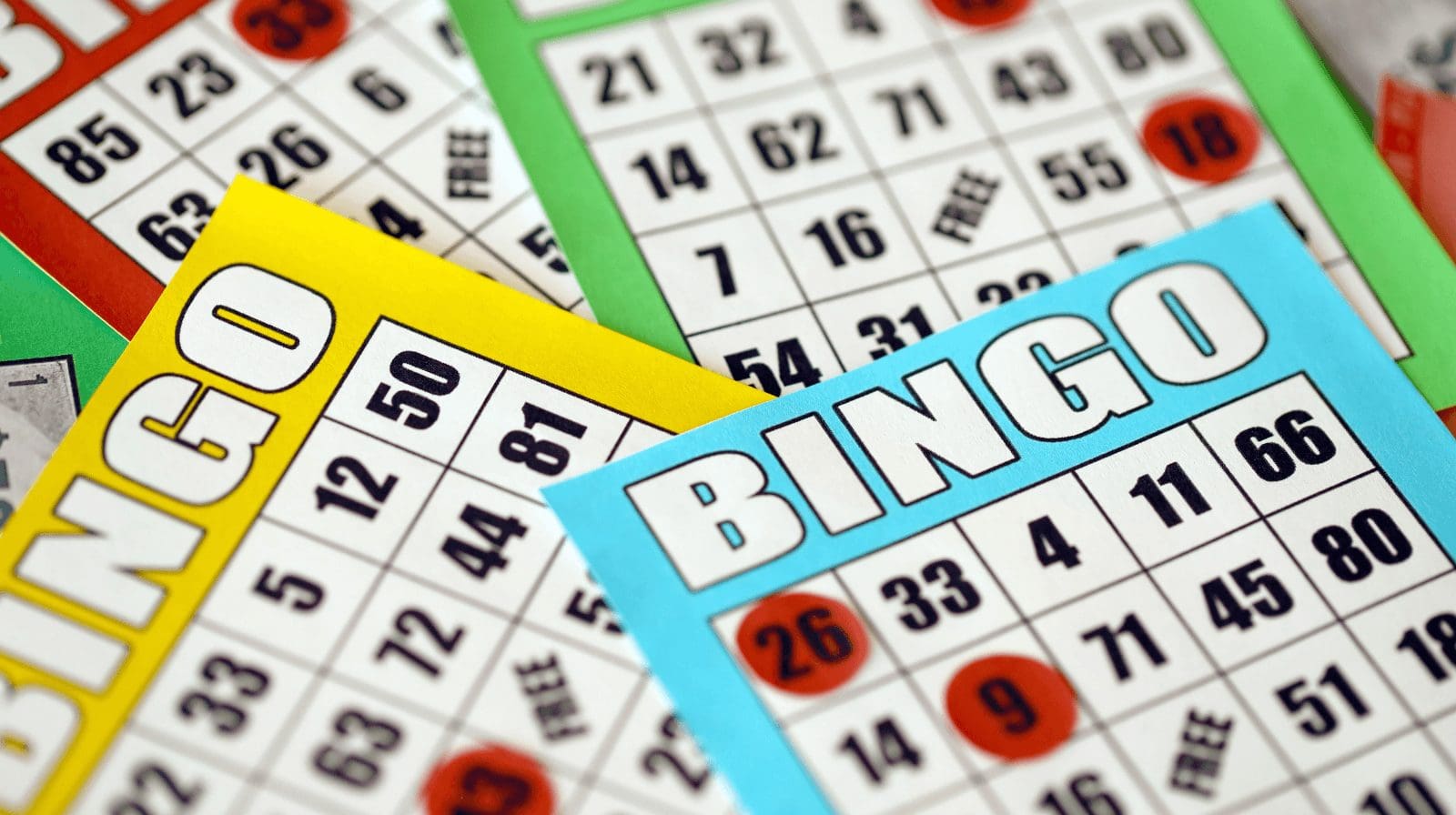
Bingo is low pressure, easy to follow, and fun across all age groups. Charge per card or per session, offer small prizes to keep the energy going, and you’ve got a fundraiser almost anyone will show up for.
How to do it right
- Sell cards in bundles since most players want more than one and it bumps up your revenue per person.
- Theme the night around your cause or a specific goal to make it feel like more than just a regular game.
- Mix small prizes per round with one bigger prize at the end to keep people engaged all night.
18. Book sale
Ask your community to donate books they’ve already read, then open it up as a weekend sale for anyone looking for their next great read. One group clears their shelves, another fills them, and your cause gets funded in the process.
How to do it right
- Start collecting donations four to six weeks out so you have enough stock to fill the space.
- Organize books by genre so people can browse easily and stay longer.
- Price books low to move volume and add a “fill a bag for $10” option to clear leftover stock.
- Partner with a local school or library to promote it since their audiences are already book lovers.
19. Karaoke night

Karaoke already gets people excited on its own. Add a cause behind it, charge a small entry fee, and you’ve got a night where supporters are having the time of their lives while raising funds for your nonprofit.
How to do it right
- Offer extra song slots as a paid add-on so people can buy more time on the mic.
- Add a “save a friend” donation where the crowd pays to skip or extend someone’s performance for laughs.
- Partner with a local venue that already has a karaoke setup, or check if someone on your team has the equipment to keep costs close to zero.
20. Yard or rummage sale
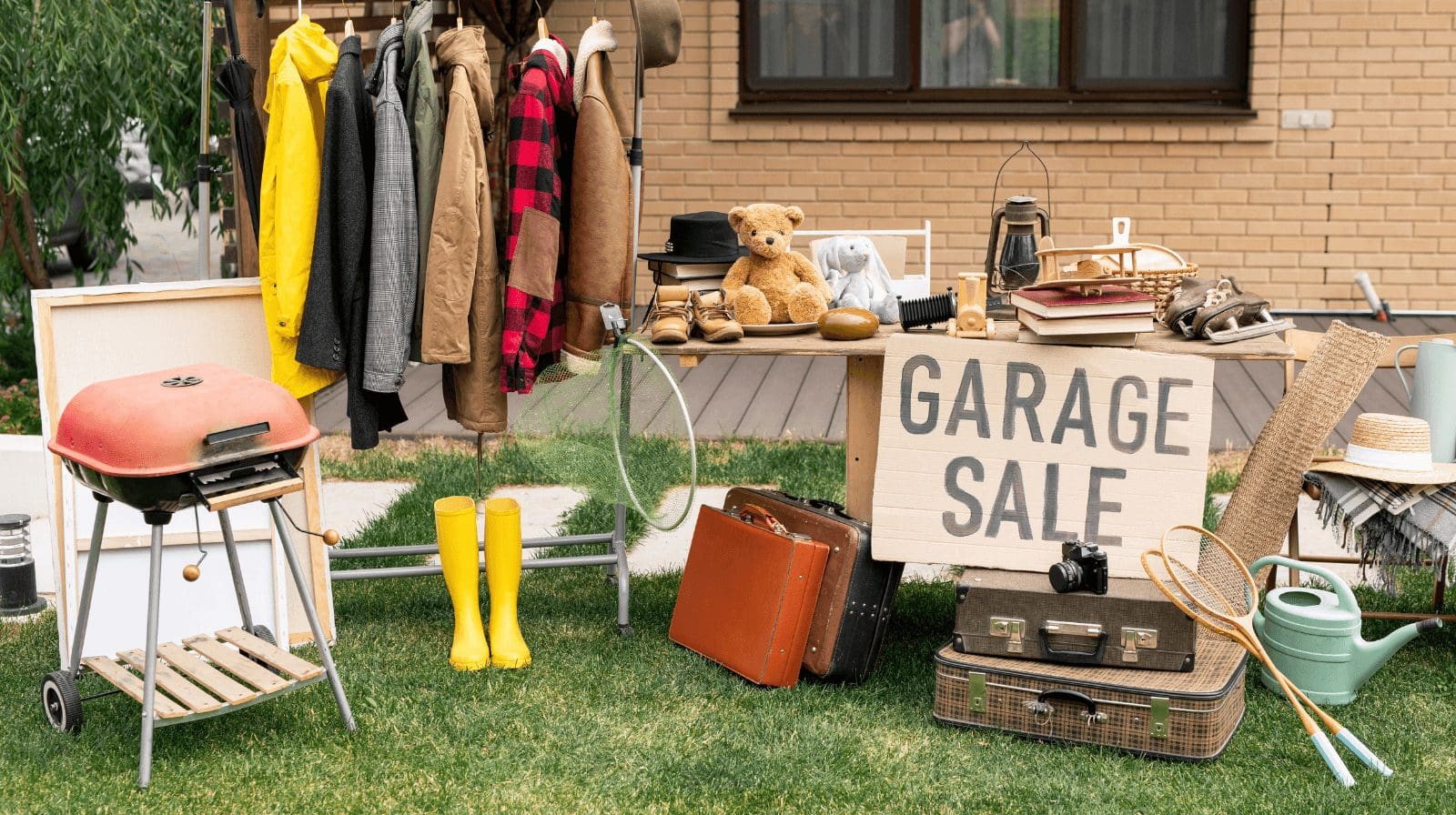
Ask your team, volunteers, and supporters to donate items they no longer need and sell everything at a community sale. It raises funds while helping people clear out their homes, which makes sourcing inventory surprisingly easy.
How to do it right
- Announce the collection drive at least three weeks early so people have time to sort through their things.
- Price items clearly and keep it simple so volunteers can manage sales without constant questions.
- Set up a “make an offer” table for bigger items where buyers can negotiate and donate the difference.
- List leftover items online after the sale to squeeze out a little extra.
21. Cookbook sale
Collect or create your own recipes and turn them into a printed or digital cookbook that supporters can buy. It’s a keepsake fundraiser people actually use, share, and come back to.
How to do it right
- Theme the cookbook around your cause or community to make it feel personal and specific.
- Offer pre-orders before printing so you only produce the copies you actually need.
- Sell digital versions alongside printed ones since they cost nothing to produce. Free tools like Canva make designing them straightforward.
- Pair it with a bake sale, cooking class, or social media campaign to reach a wider audience and sell more copies.
22. Walk-a-thon
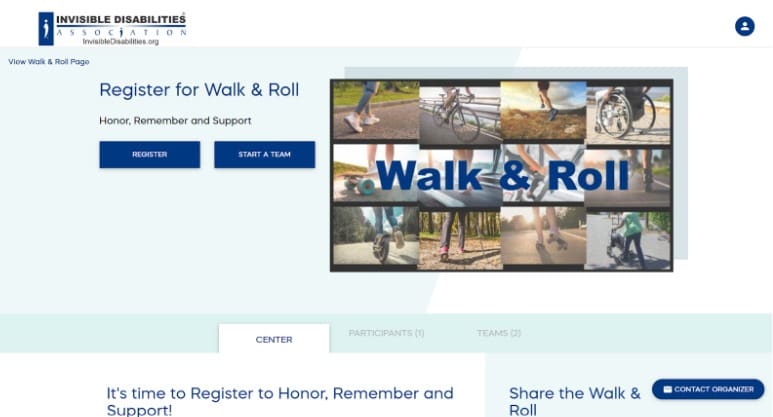
A walk-a-thon is a fun day out where supporters spend time with loved ones while doing something good.
The Invisible Disabilities Association hosts theirs around different themes and activities to draw in a larger crowd. RallyUp helps them offer both team and individual registration, with live leaderboards keeping the competition alive throughout.
How to do it right
- Set up a simple pledge page for each participant so they can share it directly with their network.
- Choose a route that passes through your community to build visibility and draw in spontaneous donors.
- Add milestone prizes for top fundraisers to motivate participants to reach out to more people.
- Keep it family and pet-friendly so the barrier to joining stays as low as possible.
Want to run a raffle that actually scales? Pick RallyUp!
USA Field Hockey needed a platform that could handle a mass-scale raffle event, and RallyUp delivered. They ran four online raffles for their Nexus Championship fundraiser and used peer-to-peer teams with live leaderboard updates to spark friendly competition.
The result: Raising over $120,000 in just 10 days — a 300% increase compared to the previous year.
23. Movie screening

Rent out a small venue or use an outdoor space to screen a film and charge by pairs or families to bring in a bigger crowd. Pick something that connects with your mission (if possible), works for all ages, and is genuinely enjoyable to watch.
How to do it right
- Check licensing before screening any film publicly, since most commercial movies require a public performance license.
- Add a short impact segment before or after the film so attendees know where their ticket money goes.
- Sell popcorn and drinks on the side to bring in revenue beyond ticket sales.
- Outdoor screenings on warm evenings draw bigger crowds, so factor in the season when planning.
24. Restaurant dining
Partner with a local diner or restaurant where a percentage of sales on a chosen day or evening goes to your cause. You bring the crowd, they bring the food.
How to do it right
- Negotiate the percentage upfront and get it in writing before you start promoting the event.
- Pick a restaurant your supporters already love since you’re asking them to show up.
- Promote it heavily in the week leading up, since the more diners you bring in, the higher your share of the proceeds.
- Try to book a weeknight because most restaurants are already filled on weekends.
25. Cooking class

Cooking classes have been growing in popularity, and your nonprofit can tap right into that. Pick a cuisine that feels exciting but doesn’t require expensive ingredients, bring in a local chef to lead the session, and charge for a seat.
How to do it right:
- Offer a standard ticket and a premium option with extras like a recipe booklet or a drink.
- Keep the group small so everyone gets hands-on time and it feels personal.
- Place a QR code on each table linking to your donation page for anyone who wants to give a little extra.
- End with a shared meal so participants leave with a full experience, not just a recipe.
26. Plant sale
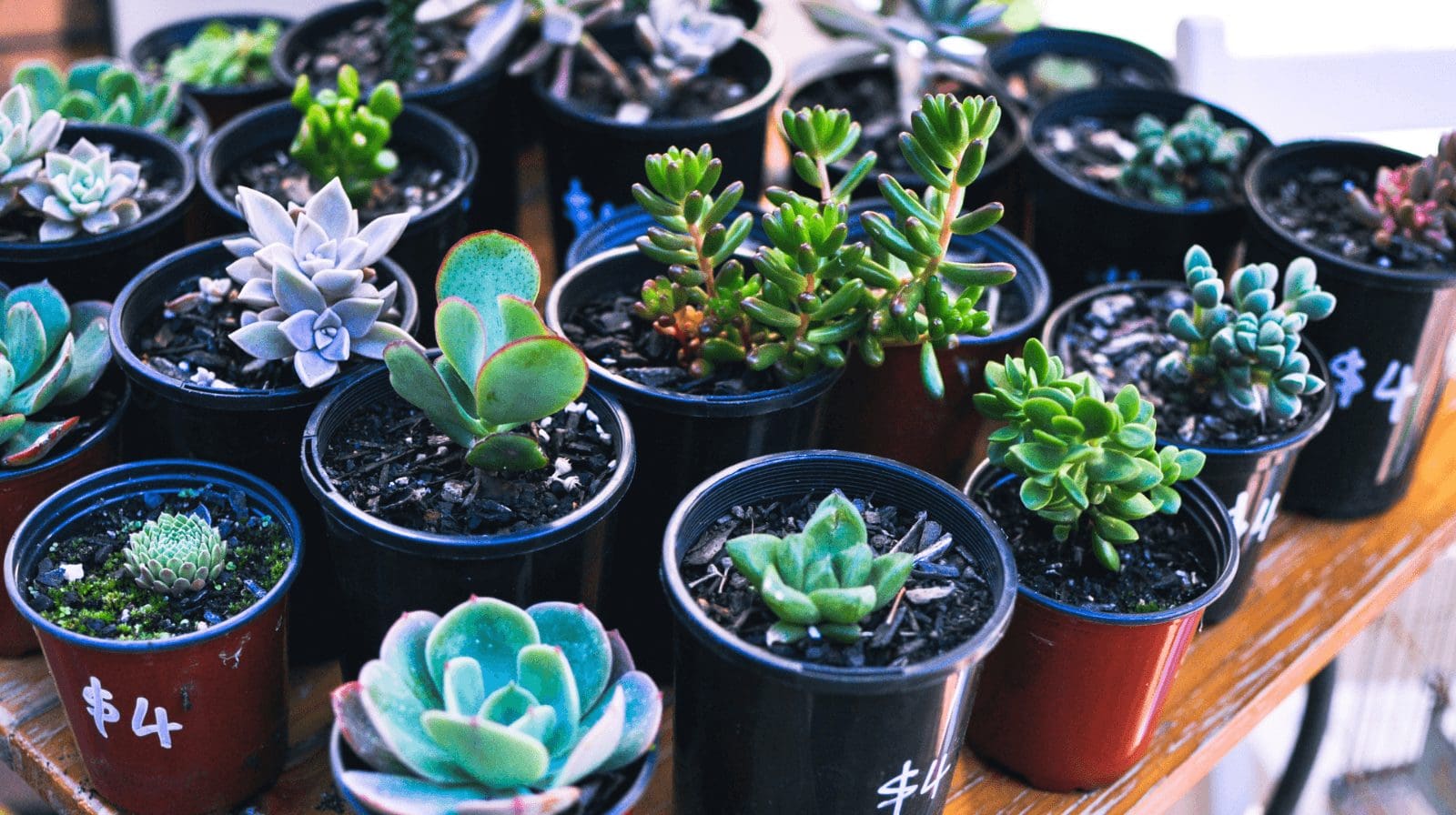
People love plants, and a plant sale is one of the lowest-effort product fundraisers you can run. Overhead is minimal, sourcing is straightforward, and with the right setup, margins can be surprisingly strong.
How to do it right
- Source plants from local nurseries that may donate or offer a discount in exchange for visibility.
- Offer a mix of price points from small succulents to larger potted plants to suit different budgets.
- Set up at a high-foot-traffic spot like a farmers market, community center, or other local spots.
- Add a simple care card to each plant so buyers feel confident about what they’re taking home.
27. Calendar fundraiser
A printed calendar filled with photos from your events, community work, and the people behind your mission doubles as a fundraiser and a year-round reminder of your cause in donors’ homes. Design it yourself using free tools like Canva and print locally to keep costs low.
How to do it right
- Pull your strongest photos from the past year so each month tells a different part of your story.
- Approach a local print shop for a nonprofit discount or a sponsorship deal where they print in exchange for a logo mention.
- Take pre-orders before printing so you only produce the copies you actually need.
- Price each calendar at two to three times your per-unit printing cost to keep margins healthy.
28. Comedy night

Host a comedy night where supporters spend an evening laughing, unwinding, and genuinely enjoying themselves. Some good fun brings people together, and that shared energy in the room makes it one of the most memorable fundraising nights you can put on.
How to do it right
- Reach out to local open mic nights or comedy clubs to find performers willing to donate their set for a good cause.
- Charge tiered ticket pricing with a VIP option that includes a drink or front row seating.
- Keep the lineup to 4 to 5 comedians so the show doesn’t drag on too long.
- Add a donation jar or QR code at the entrance for guests who want to give beyond their ticket price.
29. Gift-wrapping paper
Every home has a drawer or closet stuffed with unused wrapping paper, gift bags, and ribbons from seasons past. Collect those extras from your team and supporters and let people buy what they already need for a good cause.
How to do it right
- Put out a collection call to your team and donor base a few weeks before the holiday season so you have enough stock to sell.
- Set up your shop at a community event, outside a local grocery store, or at your organization’s office where foot traffic is steady.
- Price items affordably since buyers are choosing your shop over a dollar store, so the cause needs to be the main draw.
- Bundle items together like a roll of paper with a matching bag and ribbon to increase the average purchase value.
Classic fundraising event ideas for nonprofits
Best for: These are the fundraisers that fill rooms, build reputations, and bring in good donations when done well. They take more planning, but the payoff in both funds and donor relationships makes it worth the effort. If your nonprofit is ready to go bigger, this is where you start.
30. Annual gala

A gala brings together major donors, community leaders, and supporters for a formal evening centered on your cause. It’s one of the highest-earning events a nonprofit can run, but the experience needs to feel worth the ticket price.
How to do it right
- Lock in your venue, catering, and key speakers at least four to six months out since good vendors book fast.
- Build the evening around a central story or impact moment so donors leave feeling emotionally connected, not just entertained.
- Include a fund-a-need or live appeal when the room’s energy is at its peak.
- Add a silent auction, raffle, or photo booth to keep guests engaged between program segments.
See how Morris Animal Refuge is hosting Furball 2026 — an unforgettable evening bringing together live entertainment, auctions, and raffles all under one roof.
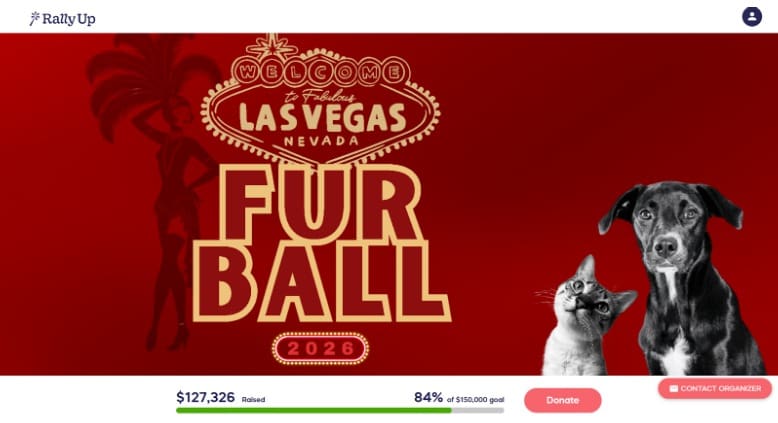
With RallyUp, they’ve simplified the entire event into one branded page where attendees can buy tickets, make direct donations, browse auction items, and get all the details they need.
31. Charity dinner
A charity dinner is a great way to bring together your nonprofit’s leaders, executives, and major donors in one room. The intimate setting gives you a chance to offer a more personal, high-value experience while building deeper connections with the people who matter most.
How to do it right
- Keep the guest list small, around 10 to 15 so the evening feels like an intimate gathering.
- Play a short impact video showcasing what you’ve achieved or what’s coming next.
- Choose a venue with a nice ambiance, a thoughtful menu, and small touches like a gift bag to make guests feel valued.
32. Fund-a-need
A fund-a-need is a live appeal segment, typically held during a gala or dinner, where the host presents specific funding needs and asks donors to give on the spot.
How to do it right
- Present your goals in clear tiers from smallest to largest so every donor in the room can find an amount that works for them.
- Start with your highest ask and work down since energy and generosity are highest at the beginning.
- Train your host to read the room and pace the appeal without rushing or dragging it out.
- Acknowledge each pledge immediately so the room feels the momentum building.
33. Golf tournament

Golf tournaments are a natural fit for corporate executives and community leaders who enjoy the sport. A well-run tournament with entry fees, hole sponsorships, and on-course challenges gives you multiple revenue streams.
How to do it right
- Offer local businesses the chance to sponsor individual holes as a separate revenue stream beyond player registration fees.
- Add fun side challenges like longest drive or closest to the pin with a small donation to enter.
- Book the golf-course course early since popular venues fill up fast, especially on weekends.
- Include a post-tournament dinner or awards segment to extend the event and add another giving opportunity.
34. Sports tournament
If you want to go beyond golf, a sports tournament opens your fundraiser up to a younger, more active crowd. Pick sports that work well together in the same space, like basketball, volleyball, and relay races.
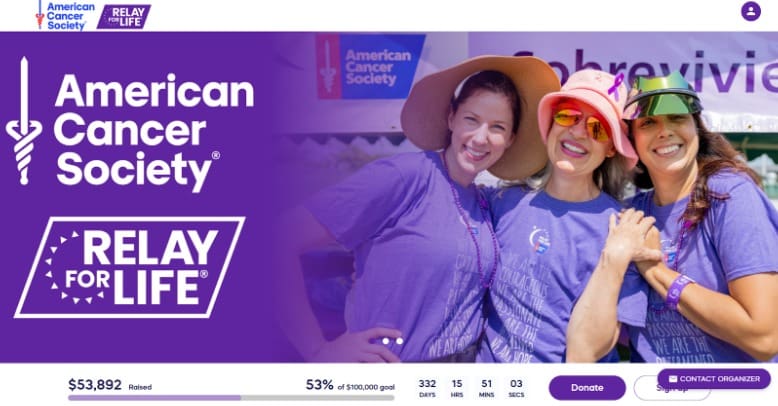
The American Cancer Society’s Relay For Life is a great example. Teams walk a track for 24 hours straight, taking on themed laps and challenges in the fight against cancer. With RallyUp, they easily managed participant registrations and donations all from one place.
How to do it right
- Charge both a team entry fee and a spectator admission fee to maximize revenue from both sides.
- Sell food, drinks, and merchandise on the sidelines to bring in additional income throughout the day.
- Add a donation-based MVP vote or skills challenge between matches to keep non-players engaged.
- Get local businesses to sponsor teams or specific matches in exchange for visibility on the day.
35. Wine tasting

A wine tasting creates a relaxed atmosphere where good wine and easy conversation naturally bring people closer to your cause. It’s the kind of event where donors enjoy themselves and you get the chance to strengthen relationships with personal, face-to-face contact.
How to do it right
- Partner with a local winery or wine shop for bottles at a reduced rate in exchange for promotion.
- Include a short presentation or story segment between tastings when you have everyone’s attention.
- Sell bottles from the tasting as an additional revenue stream for guests who want to take their favorites home.
- Keep the guest list intimate so the event feels curated rather than crowded.
36. Charity concert
Concerts have always been an easy yes for people, and hosting one for a cause gives them an even better reason to show up and spend generously.
How to do it right
- Reach out to local artists willing to perform in exchange for exposure and a cause they believe in.
- Offer tiered ticket pricing with a VIP option that includes early entry or a meet-and-greet to maximize revenue.
- Set up a donation station and merchandise table near the entrance where foot traffic is highest.
- Live stream your event with a donation link to reach a larger audience.
Want your concert to reach beyond the room? Here’s how the Red Cross did it with RallyUp.
The American Red Cross partnered with Live Nation and Maroon 5 to run a sweepstakes on RallyUp, where every donation gave supporters a chance to win a VIP trip to see Maroon 5 in Las Vegas.
RallyUp made the campaign easy to manage, and its clear display of impact levels ensured that even small donors could see exactly how their contributions were making a difference.
The result: Increased engagement across all donor levels and exceeding their fundraising goal by more than 20%.
37. Gallery night

Local artists donate their work for a curated evening where guests browse, bid, and buy in support of your cause. The artwork draws people in naturally, and the gallery setting gives the whole event a sophisticated feel that people often don’t want to miss.
How to do it right
- Set a minimum bid for each piece so you protect the value of donated artwork.
- Host an opening reception with a ticketed entry fee before the auction begins to add another revenue layer.
- Give each artist a visible credit so they feel recognized and are more likely to participate again next year.
38. Potluck party

Everyone brings a dish, pays a small entry fee, and the gathering itself becomes the fundraiser. It’s warm, low-cost, and builds the kind of community connection that keeps donors coming back long after the event.
How to do it right
- Assign dish categories like mains, sides, and desserts so you don’t end up with ten pasta salads and nothing else.
- Add a small raffle or donation jar at the event to bring in giving beyond the entry fee.
- Use it as a donor appreciation event so existing supporters feel recognized and new ones feel genuinely welcomed.
39. Autographed memorabilia auction
Autographed items carry an exclusivity that most auction items can’t match with people eager to bid on items signed by their favorites.
How to do it right:
- Ask board members and volunteers about celebrity connections, as many will happily donate a signed item for a good cause.
- Always get a certificate of authenticity with each item, since bidders will ask.
- Set a minimum bid at roughly 30–40% of the item’s retail value to protect its perceived worth.
- Display items early in your promotional materials to raise excitement before the event.
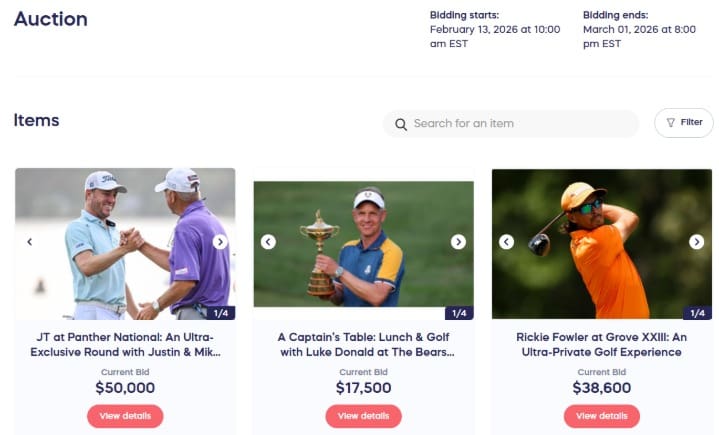
If you can’t find enough signed items, you can also host a themed auction. The ALS Bridge Foundation did exactly this — they hosted an online auction on RallyUp offering exclusive golf experiences that had bidders competing hard.
RallyUp made it easy to run the entire auction virtually, and a direct donation option meant non-bidders could still support the cause.
40. Tea party

A mother-daughter tea party gives families a reason to dress up and share something special together. That emotional pull makes it an easy sell, and hosting it at a botanical garden or arboretum keeps the atmosphere beautiful without blowing your budget on a venue.
How to do it right
- Pitch directly to mothers through school parent groups, neighborhood Facebook groups, and local mom communities.
- Check your city’s botanical garden or arboretum for free or low-cost permit options for small gatherings.
- Keep catering simple with tiered trays, tea, lemonade, and finger sandwiches to manage costs.
- Sell tickets as mother-daughter pairs rather than per person to reinforce the experience.
41. Murder mystery night
Plan a themed interactive evening where your supporters play characters, follow clues, and work together to solve a fictional crime. It’s one of those events people sign up for because of the mystery and intrigue.
How to do it right
- Purchase an affordable murder mystery kit or script online and assign roles to volunteers in advance.
- Charge a per-person ticket price that includes the experience and a simple themed dinner or snacks.
- Encourage guests to dress in character to build atmosphere and make the evening more memorable.
- Host it at a local community center, someone’s home or perhaps even a haunted house.
Go Big or go home: Unique fundraising ideas for nonprofits
These ideas are great when you want to do something unique and attract donors who wouldn’t show up to a typical event. They’re some of the most creative fundraising ideas for nonprofits out there, designed to grab attention and get people talking.
42. Puppet show

A puppet show is a low-cost, family-friendly event that draws in parents, kids, and community members without needing a big production budget.
How to do it right
- Partner with a local school or library for the venue since they already have a built-in audience of families.
- Weave your nonprofit’s work into the storyline so the cause feels natural rather than tacked on at the end.
- Sell refreshments or small crafts on the side to bring in additional donations beyond ticket sales.
43. Shave-a-thon
Shave-a-thons have already proven their fundraising power through initiatives like St. Baldrick’s Foundation and the World’s Greatest Shave. Participants collect pledges before the event, then shave in front of a live crowd, and that public commitment is exactly what leads to higher donations.
How to do it right
- Set a minimum pledge amount that participants must raise before they’re eligible to shave.
- Live-stream the event so supporters who can’t attend can still donate and watch.
- Partner with a local salon or barber to handle the shaving professionally.
- Consider donating collected hair to organizations like Locks of Love for added impact.
44. Scavenger hunt
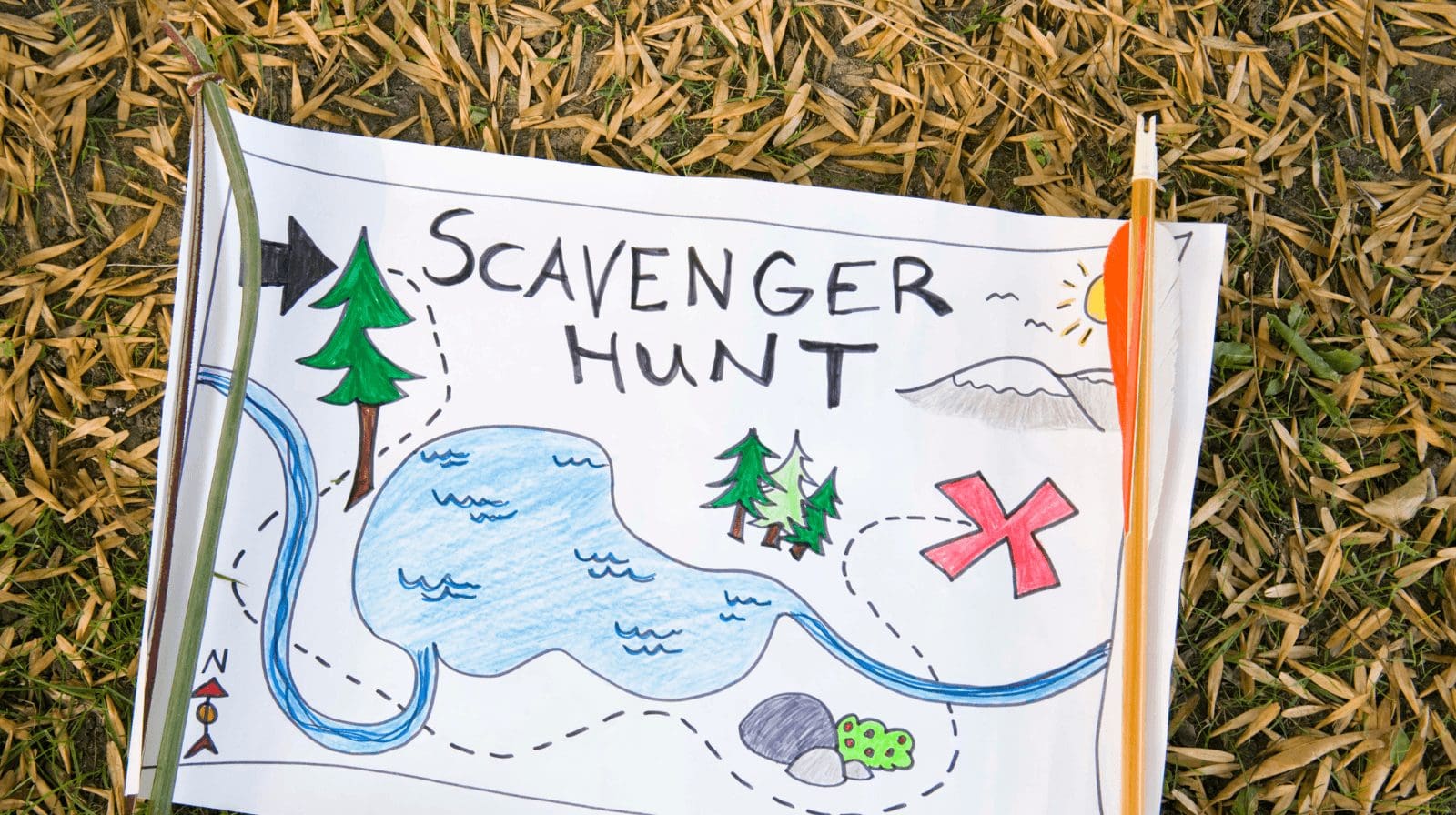
Teams pay an entry fee to compete in a scavenger hunt across your neighborhood or city. It’s interactive, social, and easy to scale up or down depending on your capacity, which makes it a good fit for nonprofits of all sizes.
How to do it right
- Charge per team rather than per person to keep entry fees accessible.
- Partner with local businesses to host clue stops so they get foot traffic and you get sponsorship.
- Use a free app like Goose Chase to manage clues and track teams digitally.
- Add a winning prize as well as runner-up gifts for the winning team to increase sign-ups.
45. Paint-and-sip

A guided painting session with drinks is an easy sell as a date night or girls’ night out. The mix of creativity and socializing does most of the marketing work for you.
How to do it right
- Ask a local artist to volunteer as the instructor in exchange for exposure.
- Charge a flat ticket price that covers supplies and includes a donation component.
- Sell additional drinks or snacks on the side to raise additional revenue.
- Keep the painting simple enough for beginners so no one feels left out.
46. Pet yoga
Imagine doing yoga while puppies or kittens wander around the room. It’s lighthearted, incredibly fun, and gives a local animal shelter some much-needed exposure.
How to do it right
- From your team pick an experienced instructor who can make the session feel comfortable and relaxing.
- Charge per mat and cap attendance so the space doesn’t feel overcrowded.
- Encourage attendees to post photos during the event to spread the word in real time.
47. Door-to-door singing
Most people have never had someone show up at their door to sing for them, which is exactly what makes this so memorable. Supporters pay your nonprofit to send volunteers or a small team to surprise a loved one with a live song on their birthday or special occasion.
How to do it right
- Recruit volunteers from your team or community who are comfortable performing.
- Set a flat fee per telegram and offer add-ons like a small gift or card for extra revenue.
- Promote heavily around peak gifting seasons like Valentine’s Day and Mother’s Day.
- Create a simple booking form on your website so people can request and pay easily.
48. Parents’ night out
Parents rarely get a free evening to themselves, and your nonprofit can give them one. Organize a night out event for parents, whether that’s a dinner, a social evening, or a fun activity, and offer supervised childcare on the side so they can actually show up and enjoy it.
How to do it right
- Ensure all volunteers supervising children are background checked before the event.
- Set a clear age range and cap the number of kids to keep things manageable.
- Offer activities like movies, crafts, or games to keep children engaged throughout.
- Promote at schools, church groups, and parenting Facebook groups for fast sign-ups.
49. Petting zoo
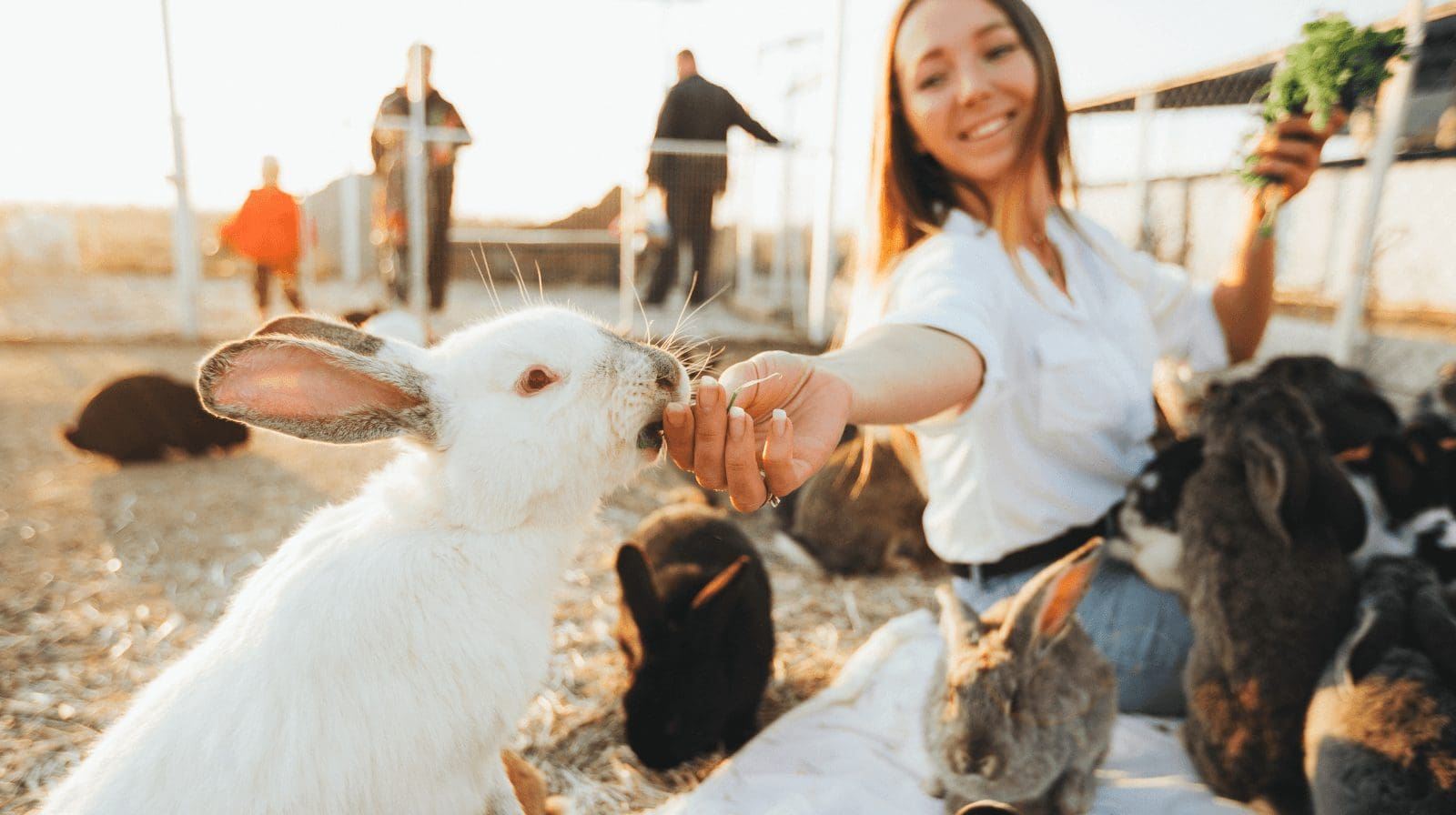
Kids and adults alike will pay to spend time with friendly animals, and a petting zoo brings that experience directly to your community. It works well as a standalone event or as an add-on to a larger community event to increase foot traffic and revenue.
How to do it right
- Choose animals that are calm and comfortable around children so the experience feels safe and enjoyable for everyone.
- Charge per family rather than per child to keep pricing simple and encourage larger groups to attend.
- Set up a concession stand or merchandise table nearby to bring in additional revenue throughout the day.
- Have adoptable animals on display so visitors can meet them and potentially take one home.
50. Guided nature hike

Environmental nonprofits with nature reserves, wildlife sanctuaries, or protected trails can turn that space into the fundraiser itself. Your donors will walk through the very land your organization protects, which makes the connection to your mission impossible to miss.
How to do it right
- Set up different trail distances so participants of all fitness levels can take part.
- Charge a registration fee and encourage participants to collect pledges from their network on top of it.
- Add guided stops along the trail that highlight your conservation work or local wildlife.
- Partner with an outdoor gear brand for sponsorship in exchange for visibility at the event.
51. Candle making workshop

There’s a reason scented candles are one of the most gifted items year after year – people genuinely love them. A paid candle-making workshop lets supporters learn a new skill, take home something they actually want, and contribute to your cause all at once.
How to do it right
- Charge a per-seat ticket price that covers materials and includes a donation margin on top.
- Partner with a local craft or home goods store to source supplies at a reduced rate in exchange for promotion.
- Let participants customize scents and labels so they leave with something personal and memorable.
- Sell additional pre-made candles at the event for supporters who want to buy extras as gifts.
52. Pet competition
There’s a reason pets keep showing up across our fundraising ideas for nonprofits list – people are devoted to their animals and love any excuse to show them off. A pet competition gives supporters a fun, low-pressure way to get involved while supporting a cause they care about.
How to do it right
- Host it at a local park or community center. Just make sure to get the necessary permissions before promoting the event.
- Recruit local personalities or influencers to serve as judges so the results feel official and fun.
- Charge an entry fee per pet and a small admission fee for spectators to maximize revenue.
- Reach out to local pet stores for prizes; they’re usually happy to contribute in exchange for visibility at the event.
53. Cycling challenge
Participants collect pledges from their network and complete a set cycling distance on a chosen date, either outdoors on a mapped route or at a local gym on stationary bikes. It draws in a health-conscious crowd and gives participants a personal achievement to fundraise around.
How to do it right
- Offer multiple distance options so beginners and experienced cyclists can both participate.
- Set up a simple pledge page for each participant so they can share it directly with their network.
- Partner with a local cycling club or gym for venue support and promotional reach.
- Add a post-ride gathering with refreshments so participants can celebrate together and you capture a final giving moment.
54. Game night

An indoor game night brings people together for a fun evening of board games, card games, or trivia where guests compete in teams across multiple rounds. Most games can be sourced from your team homes, which keeps costs low and makes it one of the easier events to pull off.
How to do it right
- Charge per team rather than per person so groups self-organize and logistics stay simple.
- Rotate games across rounds so the evening stays competitive throughout and everyone can participate.
- Offer small prizes for the winning team and runners-up, and throw in a “most spirited team” award to keep everyone engaged till the last round.
55. Build a curriculum
People these days are trying to spend less time doomscrolling and more time trying to learn something by creating a personal curriculum. Your nonprofit can tap into that by building a curriculum around a topic that is community-driven.
How to do it right
- Look at your team’s skills and mission to find a topic worth building around.
- Distribute your content across platforms like Substack, YouTube, or a newsletter to reach people where they already are.
- Host regular live sessions or Q&As to add value beyond the content itself and build a loyal following.
- Offer a free entry point and charge for deeper access, like a full curriculum, live sessions, or exclusive resources.
56. Carnival night
A carnival with game booths, popcorn stations, and live performers creates an event that appeals across age groups and comfort levels. You can run it as a casual community fundraiser or elevate it into a grown-up carnival gala depending on your audience.
How to do it right
- Charge per game or activity on top of the entry fee to increase revenue per guest.
- Book local performers like jugglers or stilt walkers to create an atmosphere without a large stage.
- Keep the menu simple with carnival classics like popcorn, cotton candy, and hot dogs.
- Place donation stations with QR codes and impact line throughout the event area.
57. Escape room

Partner with a local escape room venue or build a simple DIY version in a community hall where teams pay to race against the clock and solve puzzles. It’s interactive, high energy, and gives participants a shared experience they’ll talk about long after the event.
How to do it right
- Negotiate a revenue share or discounted group rate with a local escape room venue.
- Charge per team and cap group sizes so every team gets the full experience.
- Add a leaderboard so teams can see how their time compares and competition stays alive.
- Promote to companies, colleges, and local groups that are always looking for such group activity things.
58. A day in our shoes experience
High school and college students regularly need community service hours for graduation, college applications, or scholarships. Charging a small participation fee to shadow your team gives them the hours they need while putting real money toward your mission.
How to do it right
- Target high schoolers and college students specifically since they have the strongest motivation to participate.
- Issue a signed certificate with your organization’s name, date, and hours logged so it holds up for school or scholarship submissions.
- Cap group sizes at 5 to 8 participants per session so each person gets a genuine experience.
- Brief participants beforehand on what to expect and how to behave respectfully around beneficiaries.
59. Polar plunge
There’s something about jumping into freezing cold water in front of a crowd that people can’t resist. Whether it’s the bragging rights, the challenge, or just the thrill of it, it’s one of those fundraisers that does get a lot of attention. So, don’t forget to post about it on social media.
How to do it right
- Set up a pledge page for each participant so they can share it directly with their network.
- Pick a nice location where participants’ families or friends can also join in.
- Create a team category so groups can compete to raise the most before the plunge.
- Have trained personnel on site since cold water events carry real physical risks.
60. Photo session
If your team has a photographer, put that skill to work by offering paid mini photo sessions at neighborhood events or public spaces, with all proceeds going to your cause.
How to do it right
- Offer short 15 to 20-minute sessions so you can fit multiple bookings into a single day.
- Set up at community events or busy parks where families are already gathered.
- Offer both digital downloads and printed copies at different price points to give people options and increase your average booking value.
- Promote it as affordable professional photography for a good cause, since that combination sells itself.
61. Local sightseeing tour
A team member acts as a local guide, taking small groups around notable landmarks, hidden gems, or historic spots in your area in exchange for a small participation fee.
How to do it right
- Check if your city requires a tour guide permit for paid guided tours before promoting the event.
- Keep groups small at 8 to 10 people so the experience feels personal rather than like a bus tour.
- Build a simple route in advance with 4 to 5 stops that each have an interesting story or connection to your community.
- Offer a printed or digital souvenir as a keepsake so participants leave with something memorable.
62. Obstacle course
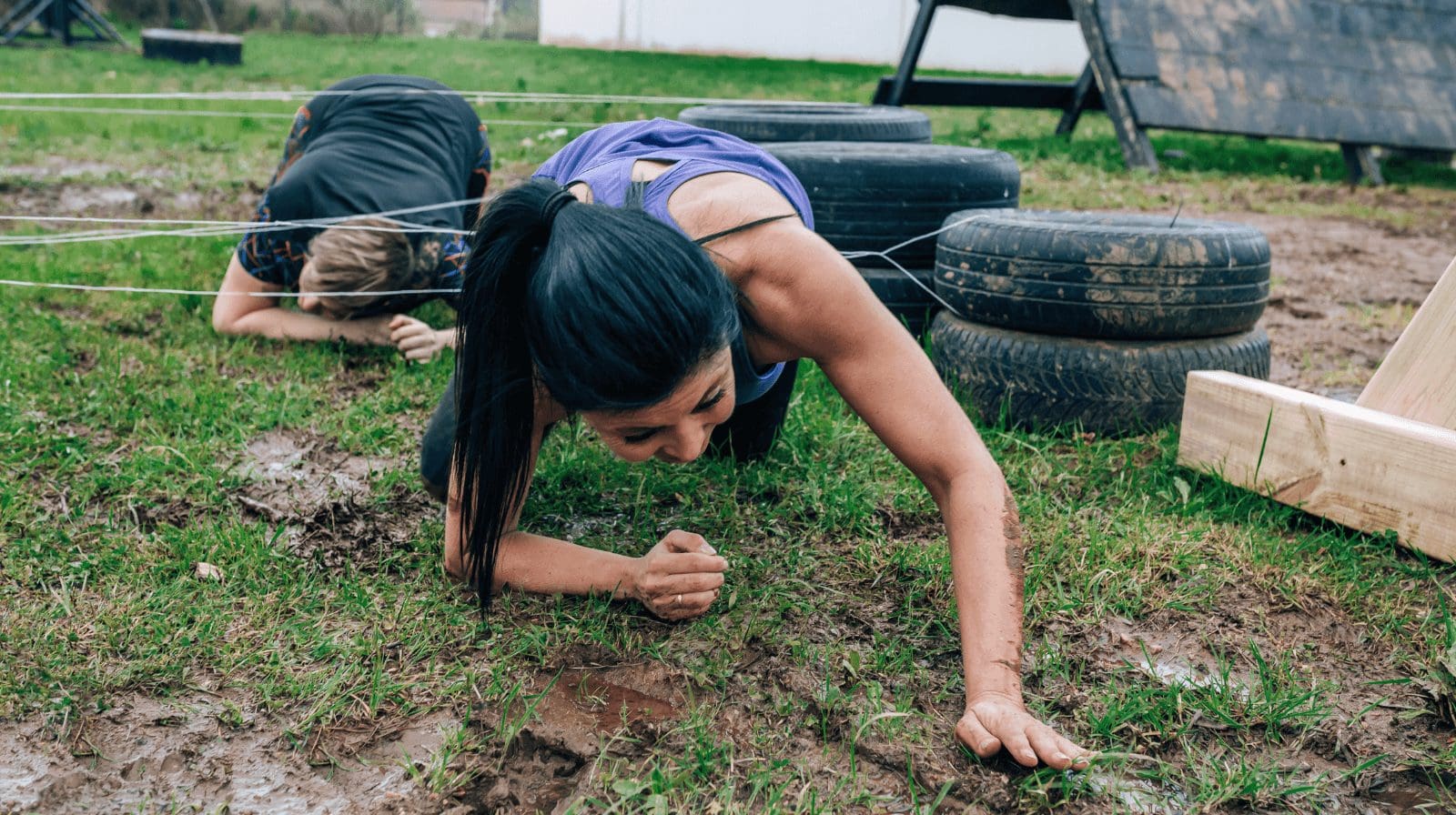
Obstacle courses attract a competitive, energetic crowd who are in it for the challenge. Participants pay to take on climbing walls, team challenges, and muddy terrain, and the whole thing gives your cause good exposure.
How to do it right
- Partner with a local sports facility or park to keep venue costs low.
- Offer team registration alongside individual entry so groups can fundraise competitively.
- Have a volunteer capturing moments throughout so participants have content to share after.
- Check your liability coverage since obstacle courses can carry a higher risk than other fundraisers.
Right time, right cause: Seasonal fundraising ideas for nonprofits
Some fundraisers work better when the timing is right. These ideas tap into holidays and seasonal moments your community is already excited about, making it easier to get people to show up, spend money, and have a good time doing it.
63. Pumpkin patch
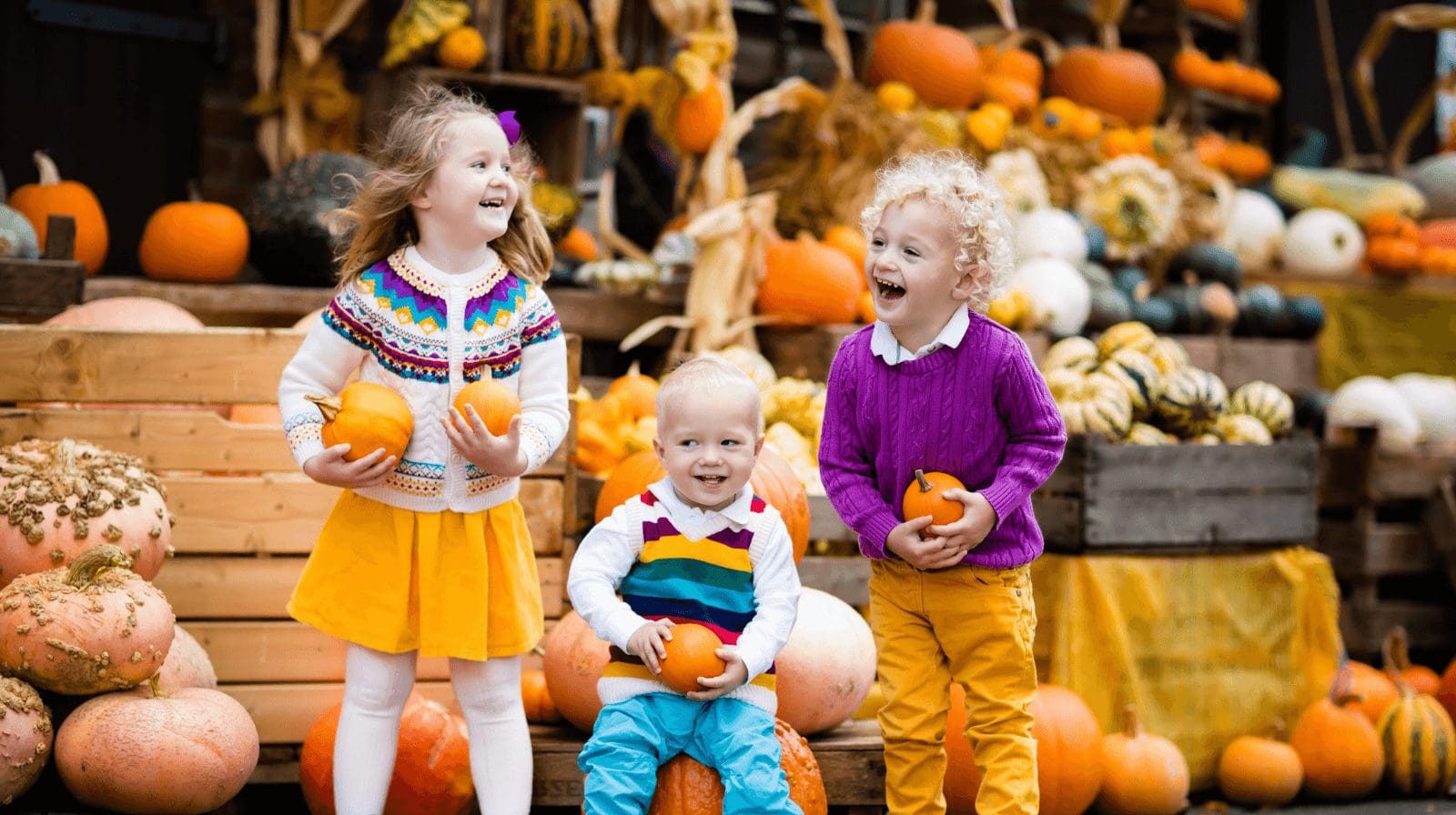
Rent or source a bulk supply of pumpkins, set up a patch, and charge families for entry or per pumpkin.
How to do it right
- Source pumpkins in bulk from a local farm early in October to keep your costs low.
- Add paid extras like face painting, hay bales for photos, or a small concession stand to increase what each family spends.
- Set up near a school, park, or community center where families already gather on weekends.
- Promote it the last two weeks of September when people start thinking about fall activities.
64. Christmas tree sale
Partner with a tree supplier and sell Christmas trees from a community lot in late November and early December. Families need a tree anyway, and buying from you gives the purchase a purpose.
How to do it right:
- Lock in a supplier by September since tree inventory goes fast closer to the season.
- Set up in a high-visibility spot like a church parking lot or a shopping center with permission.
- Offer simple add-ons like wreaths or tree stands to raise the average sale value.
- Have volunteers on-site daily since a tree lot with no one around loses sales fast.
65. Valentine’s Day flower sale
Buy flowers in bulk and sell bouquets in the days leading up to February 14th. They are easy to put together and even easier to sell when buyers know their purchase is going to a good cause, adding more meaning to the gesture.
How to do it right
- Order from a wholesale flower market or a local farm to keep your margins healthy.
- Pre-sell bouquets online or through order forms so you know exactly how many to prepare.
- Set up at a busy location on February 13th and 14th to catch last-minute buyers.
- Offer a simple gift card with each bouquet so buyers can add a personal message.
66. Easter egg hunt

An Easter egg hunt is one of those events families are already looking for every spring. Parents want an easy weekend outing and kids want the experience, which makes this one of the simplest seasonal fundraisers to fill.
How to do it right
- Fill eggs with small candies, stickers, or prize vouchers redeemable at a booth on-site.
- Separate age groups so younger kids aren’t competing against older ones.
- Add a small photo station with Easter props so families have a reason to linger.
- Sell light refreshments on-site to add a second revenue stream beyond entry fees.
67. Upcycled craft workshop
Your attendees bring old or unused items from home, think fabric scraps, jars, magazines, and wood offcuts, and turn them into something new in a guided session. It’s hands-on, low-cost, and especially popular with young kids and older adults who love making something from nothing.
How to do it right
- Send a specific item list two weeks before so participants know exactly what to bring.
- Keep the project simple enough that beginners can finish it within the session time.
- Charge a participation fee and offer finished items for sale at the end for additional revenue.
- Partner with a local school or community center to reach families and older adults who are often looking for pastime activities.
68. Holiday craft fair
Your team creates simple seasonal handmade items like Christmas tree ornaments, greeting cards, or candles, and sells them at a pop-up sale during the holiday period. It works because people are already looking for gifts and a good cause gives them one more reason to buy.
How to do it right
- Start making and collecting items at least six weeks before the sale so you have enough variety to fill the space.
- Price items in a range so there’s something for every budget, from small ornaments to larger statement pieces.
- Set up near holiday foot traffic like markets, or community events where gifting is already on people’s minds.
69. Mother’s Day brunch
Host a ticketed Mother’s Day brunch where families treat the special women in their lives to a lovely morning out. It’s a natural fit for the occasion and tends to sell out fast.
How to do it right
- Partner with a local restaurant or cafe to keep venue costs manageable.
- Sell tickets as pairs or family bundles rather than per person to make pricing feel intentional,
- Add a small bouquet or gifts like a crochet set to elevate the value of your brunch.
- Set up a donation jar or QR code for guests who want to give beyond their ticket price.
70. Halloween trick-or-treat donation

Recruit or ask your teenage volunteers to carry donation boxes around their neighborhood on Halloween night, collecting spare change from residents while the festive spirit is already high.
How to do it right
- Create simple branded collection boxes that participants can print or pick up from your office.
- Set a neighborhood goal and share the total raised after the night to keep excitement alive.
- Pair it with a costume contest and a small prize to boost participation.
- Hand out small treats or Halloween-themed cards as a thank you to anyone who donates.
71. Back-to-school supply drive sale
Collect donated school supplies from your community and sell bundles to families gearing up for the new school year. It fills a real need at exactly the right moment and positions your nonprofit as a community resource.
How to do it right
- Start collecting donations six to eight weeks before school starts so you have enough inventory.
- Bundle supplies into grade-appropriate packs so families can grab what they need quickly.
- Set up at a high foot traffic location like a community center or local grocery store parking lot.
- Partner with local businesses to donate surplus supplies in exchange for a mention at the event.
72. Thanksgiving pie sale
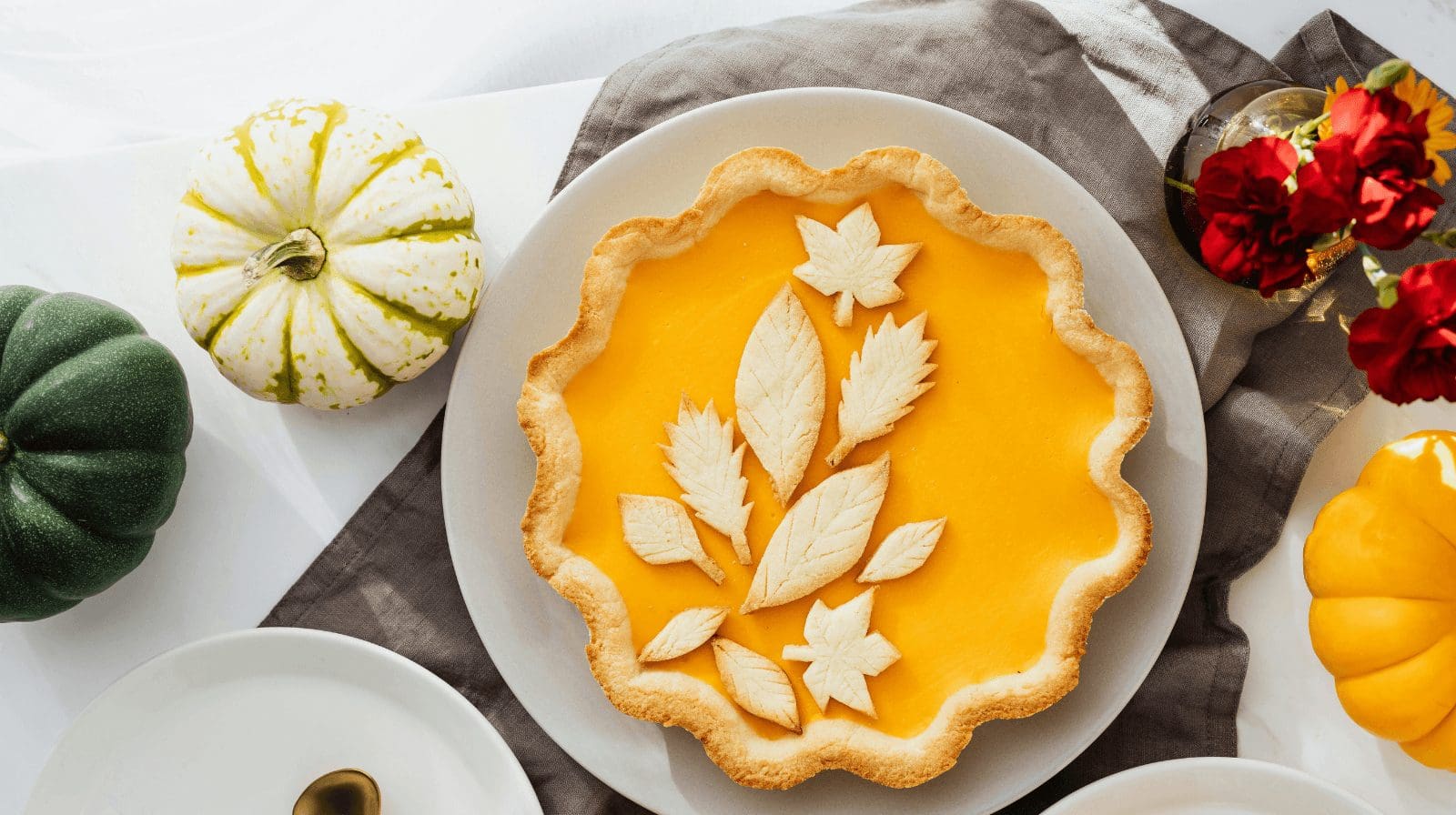
Sell homemade or sourced pies in the days leading up to Thanksgiving when people are already planning their holiday tables. Taking pre-orders means you only make what you sell, keeping waste and costs to a minimum.
How to do it right
- Open pre-orders two to three weeks before Thanksgiving so you bake or source exactly what you need.
- Offer a variety of classic flavors like pumpkin, pecan, and apple to appeal to different tastes.
- Set up a pickup point at a central community location on Tuesday or Wednesday before Thanksgiving.
- Add a donation option at checkout for supporters who want to give beyond their purchase.
73. Super Bowl watch party
A Super Bowl viewing party is something people are already planning to attend somewhere. Host one for your community with food, drinks, and friendly competitions, and give supporters a fun reason to gather while raising money for your cause.
How to do it right
- Charge a flat entry fee and sell food and drinks separately to maximize revenue per guest.
- Add a squares grid game where participants pay per square for a chance to win a small prize.
- Partner with a local bar or community hall that already has a large screen setup.
- Set up a donation station near the food table where foot traffic is highest throughout the night.
74. Ugly Christmas sweater party

Host a neighborhood party the weekend before Christmas, where guests show up in their most outrageous holiday sweaters. Light games, festive refreshments, and donation boxes turn your party into a fun, giving moment.
How to do it right
- Keep the event free and offer donation boxes and QR codes with different giving levels so attendees can contribute however works for them.
- Run a sweater contest with a few fun categories like ugliest, most creative, and most festive.
- Keep food and drinks simple with holiday classics so costs stay low or ask everyone attending to bring a specific snack.
75. Fourth of July Community BBQ
Host a cookout in a local park where families pay to enjoy a classic American BBQ while supporting your cause. It’s a natural fit for the holiday and brings people together over food, music, and a shared love for their community.
How to do it right
- Secure your park permit early since public spaces book up fast around the Fourth of July.
- Charge per plate or per family rather than a flat entry fee to keep it accessible.
- Add lawn games like cornhole or frisbee so families linger longer and spend more.
- Set up a clearly visible donation station with a short message about where the money goes.
- Partner with local food vendors or put together a small team of 7 to 9 volunteers to handle the BBQ yourselves and keep costs down.
Turn these ideas into action with RallyUp!
These fundraising ideas for nonprofit organizations are genuinely exciting, but not everyone will be the right fit for your nonprofit.
Start by looking at your donor base. What do they enjoy? What matches your mission? What can your team realistically pull off? Those answers will point you to the ideas worth trying.
When you’re ready to pull them off, RallyUp, an end-to-end fundraising platform, has your back.
It’s built to handle the fundraisers on this list, giving your team one place to set up and manage campaigns, collect donations, and engage donors. Get insights on what worked and what didn’t, so every campaign teaches you something useful for the next one.
So, don’t wait! Pick your ideas and get started with RallyUp to run a successful fundraiser.
FAQs on fundraiser ideas for nonprofits
Peer-to-peer campaigns, online donation drives, bake sales, and community challenges are all budget-friendly options that rely more on people than resources.
Look for platforms that offer donation pages, event hosting, and built-in promotion tools. Those three features cover most of what a fundraiser needs.
Galas, auctions, and peer-to-peer fundraisers tend to bring in the most because they create urgency, social proof, and multiple ways for people to give.
It suggests that 80% of your donations will come from 20% of your donors. That’s why building strong relationships with your top supporters matters so much.
Now that you’ve seen it in action, are you ready to start fundraising?
Get Started