Art and Wine Fundraiser Soirée: A Complete Guide and Budget Calculator
Wine and Art Fundraiser Soirée
A wine and art fundraiser soirée is a high-impact fundraiser, and RallyUp (an end-to-end fundraising platform) makes planning it simple with all your ticketing, bidding, and donations in one place.
Planning steps at a glance:
- Set your fundraising goals
- Choose your event format
- Build your organizing team
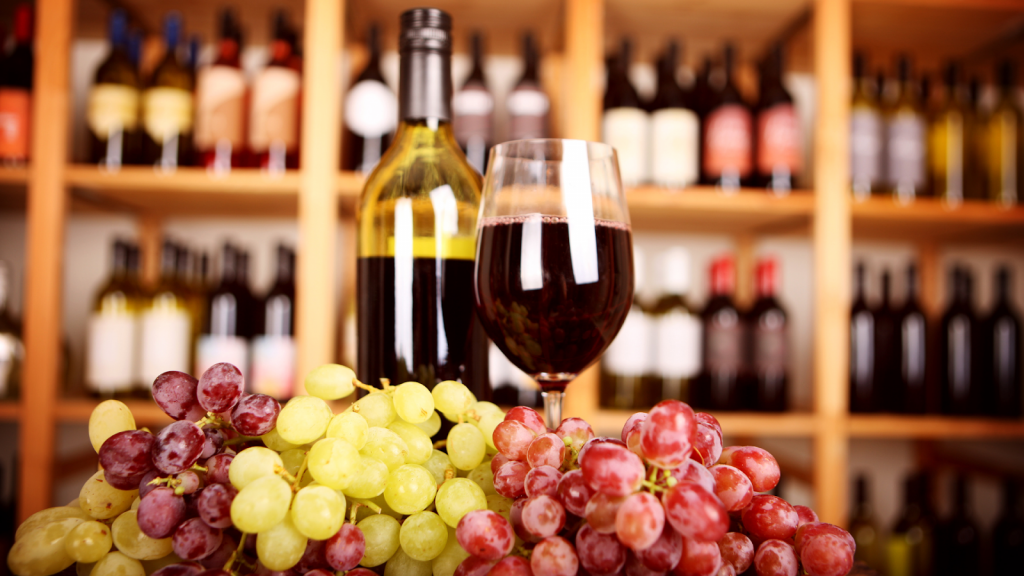
- Source your wine
- Curate the art
- Create your 12-week timeline
- Build your budget
There’s something timeless about the way wine and art bring people together. One engages the senses, the other stirs emotion; both are woven into culture and community. Pair them, and you’ve got an event that feels indulgent yet meaningful: a perfect recipe for fundraising success.
Art and wine fundraisers ensure one thing: people love experiences that feel a little fancy and a lot personal. They come for the tasting, stay for the art, and leave knowing their ticket helped a cause worth toasting.
Whether it’s a cozy gallery night or an open-air tasting under string lights, these fundraisers strike that rare balance between elegance and impact.
This guide breaks down everything you need to plan your own art and wine fundraiser, from compliance checklists and sourcing tips to creative formats and budget templates.
Grab a glass (of anything, really), and let’s make your next event the kind people talk about long after the last pour.
In this article
- Why art and wine fundraisers work
- Are there any legal requirements for hosting an art and wine fundraiser?
- Planning the soirée
- Event-day execution of an art and wine fundraiser
- Fundraising add-ons (how platforms can help)
- 8 creative art and wine fundraiser ideas
- Last words: Sip, paint, and find community in culture
- FAQs about art and wine fundraisers
Why art and wine fundraisers work
People don’t pick art-and-wine events just because they look classy. The psychology of giving plays into it.
A study shows that people who experience luxury (like wine tastings or elegant spaces) donate time and money to charity, and are willing to pay more to help local businesses. Another research found that contributing to art lowers stress and boosts emotional openness.
Think of the woman who can’t paint a stick figure but leaves proudly because her donation still supports her passion.
Other than the practical benefits, here are some more reasons you should consider an art and wine fundraiser:
- Emotional + social appeal: Art and wine settings naturally relax people, making them more open, generous, and connected.
- The experience factor: Guests get a sensory, hands-on night that feels memorable instead of transactional.
- Financial benefit: A premium vibe supports higher ticket prices and multiple donation streams in one event.

Are there any legal requirements for hosting an art and wine fundraiser?
Yes! To host an art and wine fundraiser legally, you might need an alcohol permit, verified age checks, insured venues, written artist agreements for any sales, and proper donor receipts that meet IRS rules.
Nonprofits could miss this section, and it’s one of the biggest places organizers get fined or flagged. Here’s the quick checklist you need:
Legal & compliance checklist for art and wine fundraisers
- Alcohol permits & temporary licenses: Most states require a special event permit to serve or pour alcohol at a nonprofit event — even if the wine is donated.
- Charitable solicitation registration: Confirm your nonprofit is registered to solicit donations in your state and any states where you’re fundraising online.
- Age verification & responsible serving: Check IDs at the door and ensure only certified servers handle alcohol service.
- Venue compliance: Verify insurance coverage, capacity limits, and fire-safety approvals for events involving alcohol.
- Artwork ownership & sales rules: Obtain artist consent in writing, clarify commission terms, and follow applicable local tax requirements.
-
Donor & IRS compliance:
Issue proper receipts for ticket sales, donations, and art purchases — especially when benefits affect tax deductibility.
- Provide quid-pro-quo disclosures for tickets with benefits when payment exceeds $75, and issue written acknowledgments for gifts of $250 or more.
- Auction purchases are deductible only for the amount paid above fair market value.
Quick tip: Check with your local Alcoholic Beverage Control (ABC) board or search for “[Your State] + Alcoholic Beverage Control board” or “Liquor Control Board”.
Planning the soirée
Step 1: Set fundraising goals (funds vs. impact)
Don’t guess, build a simple but concrete target model. Keeping your fundraising efficiency ratio in mind, break funds into streams so you know where money should come from:
- Ticket sales (standard + VIP)
- Art sales (commission split or full donation)
- Silent/live auction (art + experiences)
- Wine pull (high margins, low effort)
- Sponsorships (vineyards, galleries, local businesses)
- Add-ons (tasting flights, masterclasses, merch)
NOTE: Check your state’s raffle/gaming rules before selling wine pulls; in some states they’re banned or require a license, and alcohol as a prize can trigger additional rules. Also, keep sponsor benefits to acknowledgments (name/logo/URL) to avoid UBIT; avoid comparative claims, pricing, or inducements, which are advertising.

Remember to add these two impact KPIs because fundraisers fail when the only metric is donation goals:
- New donors acquired (e.g., 40% of attendees)
- Repeat engagement (recurring donor signup, future event pledges)
Increasing donor engagement keeps your event from becoming a one-off “expensive party.”
Step 2: Decide event format – Indoor gallery, outdoor tasting, or hybrid
Format decides your permits, space, wine quantity, staffing, and marketing. Make your pick based on: Donor profiles, season/weather, permit limitations, and local artist availability.
| Format | Best for | Pros | Cons |
|---|---|---|---|
| Indoor gallery soirée | Formal or high-donor audiences | Controlled climate, strong lighting, easy art display, great for auctions | Higher venue cost, limited space flow |
| Outdoor tasting + art walk | Younger donors, community events | Lower venue cost, bigger space, great ambience | Weather risk, more logistics, stricter alcohol checks |
| Hybrid model | Events aiming for max funds | Highest engagement, multiple donation points, longer guest stay | Most complex, needs a big team, detailed mapping |
Step 3: Build the organizing team
A great art and wine fundraiser runs on a tight crew. You don’t need a giant committee; you just need the right people owning the right pieces. Here’s a small list of roles and positions to assign:
- Art Director (non-negotiable): They handle artist outreach, curation, display layout, lighting, and pricing. Pro tip: Pick someone who’s already connected in the local art scene; artists respond faster to someone they know.
- Wine and beverage lead: Your behind-the-scenes hero for vineyards, distributors, quantities, pour sizes, coolers, compliance, and wristbands. Quick math for planning bottles: Guests x 2.5 glasses x 5 oz/25 oz per bottle
- Event logistics manager: They oversee venue contracts, fire safety, guest flow, registration tables, signage, rentals, insurance, and volunteers.
- Fundraising strategy lead: The fundraising expert sets ticket tiers, plans upsells, manages the auction setup, designs recognition walls, and makes sure checkout is smooth.
- Marketing lead: They run winery collabs, artist features, social content, ad buys, email sequences, and press kits – everything to excite people.
- Compliance lead: They handle permits, ID checks, ABC rules, venue liability insurance, seller’s permits for art, and IRS-friendly donor receipts.
Step 4: Where to source your wine
Keep your options open so you get great bottles without blowing the budget.
Tip: Some suppliers may donate wine for marketing/relationship value; tax deductions for inventory are typically limited to cost basis – check with a tax advisor.
Local vineyards are best for co-branded partnerships and promo swaps like “Featured Vineyard Partner” banner logo on tasting cards, and an option to place bottle-order QR codes.
Distributors offer mixed cases, discounts, or donated stock from their overstock or end-of-month allocations. You can also request a staff member to supervise pouring.
Wine clubs are good for sponsorship tiers and premium pours. These groups want affluent donors, so your audience is a perfect match.
Online suppliers like Vivino for ratings-driven selection, Wine.com for bulk flat-rate shipping, and local importers for curated flights.
International wine is an option only through licensed importers to stay compliant
Note: Imported alcohol often requires additional event-specific permissions.
Step 5: Curating the art
First, pick an art theme that is instantly relatable: local creators, emerging artists, cultural themes, or a single medium. Then, pick your sales format between direct sales, silent auctions, or raffle tie-ins. Each affects pricing, staffing, and how you set up the room.
While writing up artist agreements, cover essentials like commission split, display rules, insurance, marketing permissions, and what happens to unsold pieces.
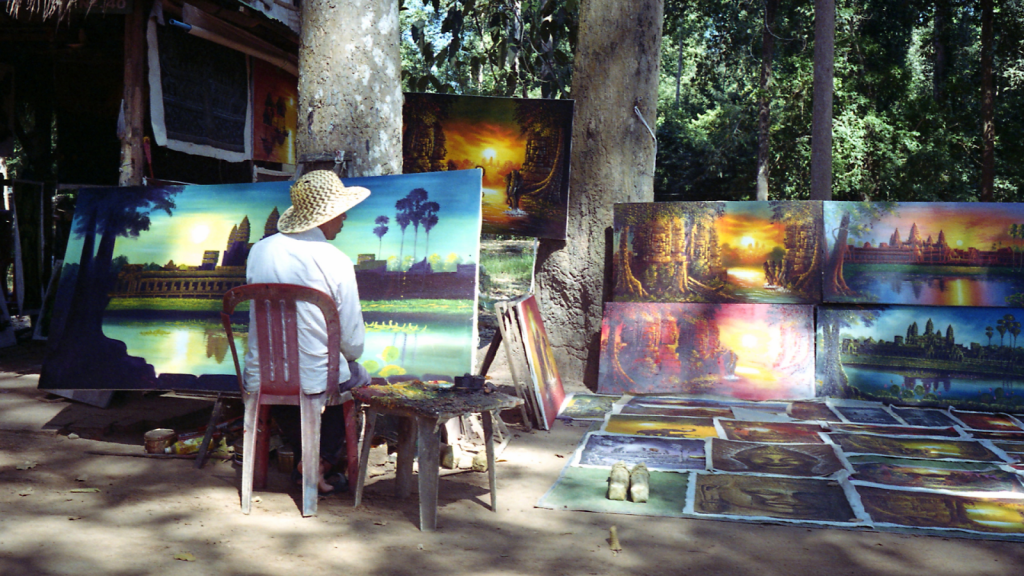
Finally, plan how you’ll present the art. Boost engagement with simple add-ons like live painting, a mini mural wall, or a digital preview station. Think of small touches that keep guests browsing (and spending).
Step 6: Create your timeline (12-week countdown structure)
A clear timeline keeps you ahead of permits, partnerships, and promo – the three things that always slip if you “wing it”.
Weeks 12-10
Secure the venue, apply for permits, confirm your core team, and start outreach to artists, vineyards, and distributors.
Weeks 9-7
Lock your wine list and artist roster, finalize ticket tiers and sponsorship packages, and launch an early-bird promotion.
NOTE: Keep sponsor benefits to acknowledgments (name/logo/URL) to avoid UBIT; avoid comparative claims, pricing, or inducements, which are advertising.
Weeks 6-4
Approve the floor plan, book rentals, push artist/winery features on social, and send press outreach.
Weeks 3-2
Confirm volunteers, test your fundraising tool, order signage and print materials, and double-check compliance.
Week 1
Finalize walkthrough, receive wine + art drop-offs, rehearse staff roles, and run a last marketing push.
Step 7: Budget checklist and calculator
A solid budget keeps the event profitable and prevents last-minute “oh no, we forgot that” surprises.
- Fixed costs: Venue rental, insurance, permits, A/V, tables, chairs, linens, lighting, easels, and basic décor.
- Variable costs: Wine and food per guest, artist commissions, glassware (rent or compostables), payment processing fees, and auction/platform fees.
- Often-forgotten costs: Corkage fees, glass breakage, art storage, refrigeration for white wines, extra security (required in many alcohol-serving venues), and next-day cleanup.
- Funds planning: Map ticket tiers, wine pull pricing, auction expectations, and estimated art sales so you can predict ROI before investing.
Now that you know what all you have to check off your list, let’s get to the budgeting of it:
Event-day execution of an art and wine fundraiser
Instead of adding on yet another checklist for you and overwhelming you, let us walk through – say, a character named Lena’s event day. Here are five big moments that could cause hurdles in the soirée, and the contingencies you can set up so nothing derails the vibe.
1. The guest flow starts clogging at the entrance
The venue is gorgeous… but everyone is bunching up around check-in.
Contingency: Lena placed the welcome-pour table deeper inside the room, not right at the door. It pulls guests forward, spreads the crowd, and instantly creates a natural path:
Check-in → Welcome pour → Art → Wine stations → Auction zone.
2. The wine station gets overwhelmed
Wine is the first thing people sprint to at an art and wine fundraiser. One slow station can stall the entire event.
Contingency: Lena staffed each station with one licensed pourer + one volunteer runner, so refills, bottle swaps, and glass clearing happen without stopping the line. Even if someone cancels, the two-person structure absorbs the shock.
3. High-interest art pieces get ignored because there’s no context
Guests gravitate toward the showstoppers, but without someone nearby, questions die quietly.
Contingency: Lena assigned Art liaisons to the top five pieces (chosen during setup). They know the artist, story, medium, and bidding instructions. This turns passive lookers into active bidders.

4. Technology hiccups threaten the auction
Someone’s phone doesn’t load the bidding page. Another can’t scan the QR. Classic.
Contingency: Lena designated one “tech table” + one roaming tech volunteer. Their only job: handle bidding glitches, QR confusion, and slow Wi-Fi hotspots. This prevents micro-issues from becoming public chaos.
5. The energy dies right before your big fundraising moment
Lena noticed a lull right after the silent auction, before announcing the winners. This was when people settled in with their wine.
Contingency: Lena scheduled a mid-event engagement cue: a quick People’s Choice vote. It gets guests moving again, circles them past the art, and naturally reignites bidding. No cheesy announcements, just a gentle energy reset.
Fundraising add-ons (how platforms can help)
A fundraising platform is a digital tool that handles everything from ticketing and bidding to donations and checkout, all in one place. In an event as busy as an art and wine soirée, it becomes quite the backbone to keep things running smoothly.
A good fundraising platform doesn’t just support your event; it makes the entire night smoother, faster, and more profitable by giving you:
- Higher participation: Mobile bidding + QR codes get more guests involved without crowding.
- More donations: Tiered tickets, VIP tastings, and digital add-ons increase per-guest spend.
- Less chaos: Auctions and raffles stay organized instead of becoming dramatic.
- Better guest flow: Automated checkout stops long lines and abandoned payments.
- Real-time excitement: Live fundraising displays keep the room energized and competitive.
- Zero follow-up stress: Receipts, confirmations, and thank-yous are sent automatically.
| Fundraising add-ons via RallyUp | What it does |
|---|---|
| Ticketing and registration (GA, VIP, add-ons) | Lets you set up tiered tickets, VIP tastings, and art preview passes in one place. |
| Mobile silent auctions | Guests scan a QR code next to each artwork to bid from their phones. |
| Digital raffles/sweepstakes | Lets you run raffles (non-alcohol prizes) with built-in rules and disclosures. |
| Donation pages + QR codes | Adds scannable donation points around the venue. |
| Live display mode | Shows bidding updates, fundraising progress, and announcements along with the donation QR code on a screen at in-person events. |
| Event balances | Combines all purchases — art, wine pulls, tickets, donations — into one transaction. |
8 creative art and wine fundraiser ideas
If you want your soirée to feel fresh (and not like every other “sip and paint” night in the city), here are a few fun ideas, simple to run – or add on to your event, and guaranteed to keep guests talking.
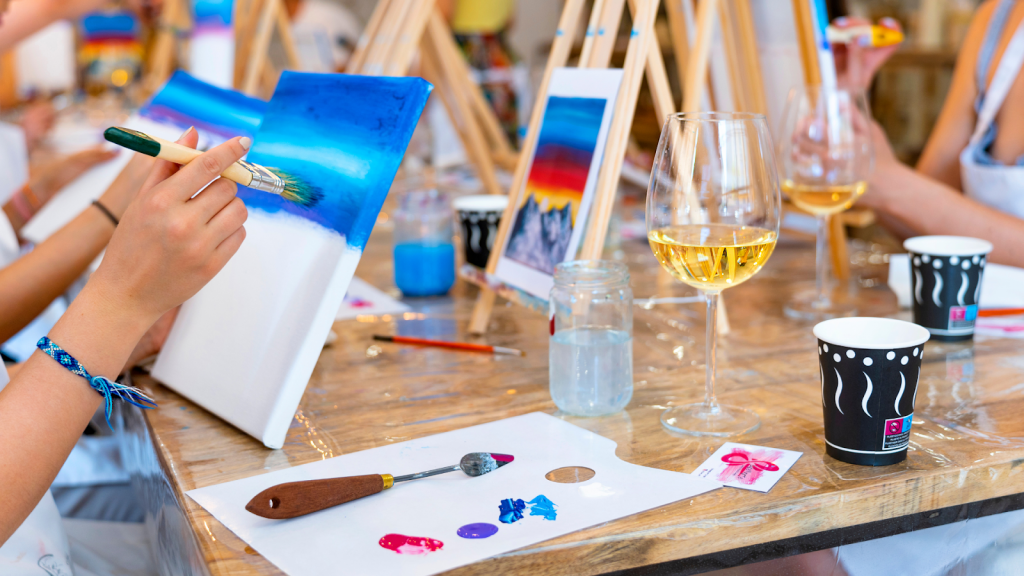
1. Wine and canvas night
A relaxed paint-along with wine tastings: set up canvases, bring in an artist, and let people channel their inner Picasso-with-a-rosé.
2. Gallery wine walk
Art stations are paired with different vineyards. Place a mini tasting beside each display so guests wander, sip, and discover.
3. Sip, sketch, and bid
Guests create quick mini-sketches during the tasting break. Run it by handing out tiny sketch cards they can trade as “bonus tokens” for small perks, like early bidding access or a free wine-pull entry.
4. Blind wine tasting challenge
Unlabeled wines + scorecards = guests guess the varietal, and you reveal everything at the end for bragging rights.
5. Wine pull wall
Display a wall of mystery bottles at different price tiers so guests pull one out and hope they land something fancy.

NOTE: Check your state’s raffle/gaming rules before selling wine pulls; in some states they’re banned or require a license, and alcohol as a prize can trigger additional rules.
6. Artist collab bottles
Local artists design custom labels so the wines become special editions. Partner with a winery, print limited bottles, and watch them sell out fast.
7. Virtual art + wine night
Partner with a licensed winery or retailer to fulfill tasting kits only to states they’re permitted to ship to. Also, ask for Adult Signature on delivery.
You can also offer a non‑alcoholic option for out‑of‑state supporters.
8. Non-alcoholic or mocktail options
Not everyone drinks, and that’s ok. Offer a signature mocktail so non-drinkers don’t feel excluded from the event or from the crowd.
Last words: Sip, paint, and find community in culture
When guests sip, wander, vote, sketch, bid, and discover new artists, they’re going beyond attending a fancy event: they’re connecting to your mission in a way that feels personal and memorable.
It’s a chance to slow people down, get them talking, and let them experience your cause through culture, creativity, and community.
So as you plan your version of this night, keep it simple: create an atmosphere people want to linger in, curate experiences that spark conversation, and make generosity feel effortless.
If you want the entire night to run smoother (and raise more), RallyUp, an end-to-end fundraising platform, can handle the heavy lifting behind the scenes, from planning your entire campaign to mobile auctions, QR donations, and easy checkout.
FAQs about art and wine fundraisers
Right now, abstract pieces, line art, and small-format works are crowd favorites. Local and emerging artists are also trending; people love buying something with a story behind it.
Absolutely. They’re designed for people who have never touched a paintbrush. Guests follow simple step-by-step guidance, sip a little wine, and end up surprising themselves.
Guests pay a set amount to “pull” a mystery bottle from a display wall, with some bottles worth far more than the ticket price. It’s quick to run, fun for guests, and a reliable donation booster.How does a wine pull fundraiser work?
Guests pay a set amount to “pull” a mystery bottle from a display wall, with some bottles worth far more than the ticket price. It’s quick to run, fun for guests, and a reliable donation booster.
In many U.S. states, yes, raffles require a charity gaming permit or similar approval, especially if you offer high-value prizes. Always check your state’s rules before advertising or selling entries.
No-raffle entries are considered gambling, not charitable contributions.
Now that you’ve seen it in action, are you ready to start fundraising?
Get Started