
19 Donation Drive Ideas to Support Your Community in 2026
Donation Drive Ideas for Nonprofits
Donation drives are collective efforts to secure funds, supplies, or resources to address immediate community needs.
- Essential needs drives: food, clothing, hygiene kits, pet care, clean water
- Education drives: school supplies, books, tech equipment, scholarship funds
- Community improvement drives: home goods, tools, toys, furniture, community spaces
- Emergency response drives: disaster relief, healthcare support, community safety
RallyUp (a comprehensive fundraising platform) helps you run successful donation drives.
A food pantry runs short on supplies during the holidays. A local school can’t afford notebooks and pencils for every student. Community volunteers aim to restore a worn-down playground but lack the necessary tools and materials to get started.
When your community faces situations like these, donation drives are the perfect way to address the gap. They bring people together to meet a specific need, whether that’s collecting goods, raising money, or simply lending a hand to help.
What makes donation drives powerful isn’t just what they collect. A well-planned drive builds awareness, strengthens relationships, and makes a tangible difference in the community.
In this guide, you’ll find practical donation drive ideas that address different community issues and causes.
Whether you’re running a local pantry, managing a shelter, or leading an after-school program, you’ll find actionable ideas to support your mission and strengthen your community.
In this article
- What are donation drives?
- 19 practical donation drive ideas to make a difference
- Essential needs donation drives
- Education and empowerment donation drives
- Personal care donation drives
- Community betterment and environmental drives
- Emergency and crisis response donation drives
- Key considerations before starting a donation drive
- Put these ideas into action with RallyUp
- FAQs on community donation drive ideas
What are donation drives?
A donation drive is an organized effort to collect money, supplies or resources for addressing an immediate need or supporting a specific project.
Unlike other fundraising efforts that primarily seek financial donations, a donation drive typically gathers tangible goods, such as food, clothing, and books.
Donation drives tend to be more localized and grassroots, while fundraising campaigns are often broader organizational efforts with specific financial goals.
They are short-term initiatives (lasting days to weeks) that bring people together toward a shared goal, helping to improve and strengthen your community.
19 practical donation drive ideas to make a difference
Let’s now take a look at the top 19 ideas to mobilize support for causes ranging from hunger relief to emergency response.
Essential needs donation drives
Food and meal kit drives
Best for: Food banks, churches, and community groups addressing local hunger
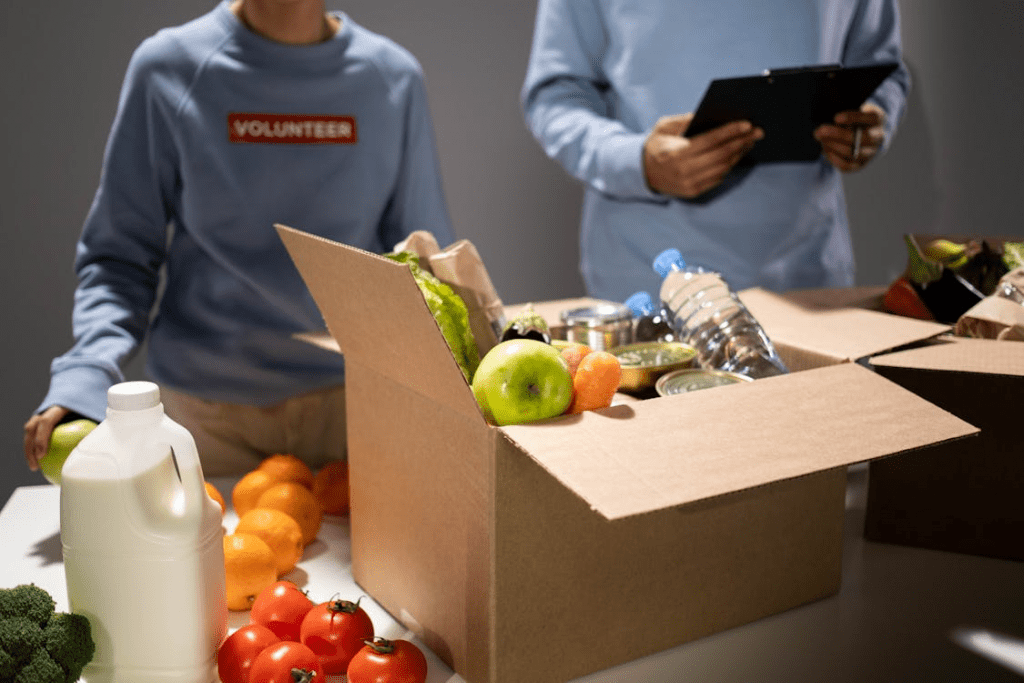
Nearly 47 million people in the US lived in food-insecure households in 2023. Food drives help fill that need, and organizing them around complete meal kits makes it easier for families to put together actual dinners.
How to run it effectively?
- Assess your current inventory to identify what’s running low on your shelves.
- Set up collection boxes where people already shop, like grocery stores or community centers.
- Communicate specific items you need, like rice, beans, canned protein, or pasta with sauce.
- Check expiration dates on everything before distributing.
- Share updated needs weekly through email, social media, or flyers to maintain a variety of food options.
Clothing and blanket drives
Best for: Shelters, schools, and groups serving families experiencing homelessness or financial hardship
A well-timed clothing drive helps families prepare for seasonal changes or replace worn-out basics they can’t afford. So, start your winter drive in early fall and your summer drive in late spring so people get what they need before the weather shifts.

How to run it effectively?
- Focus on specific needs like kids’ clothes, men’s larger sizes, or seasonal items that are running low at local shelters
- Let donors know what condition items should be in – gently used, clean, and functional.
- Sort donations by size and type before delivering them, so distribution is easier for whoever receives them.
- Partner with laundromats or dry cleaners who might clean donated items for free or at a discount.
- Offer pickup for larger donations if you have the resources.
Hygiene and sanitation kit drives
Best for: Shelters, schools in low-income areas, and organizations serving unhoused populations
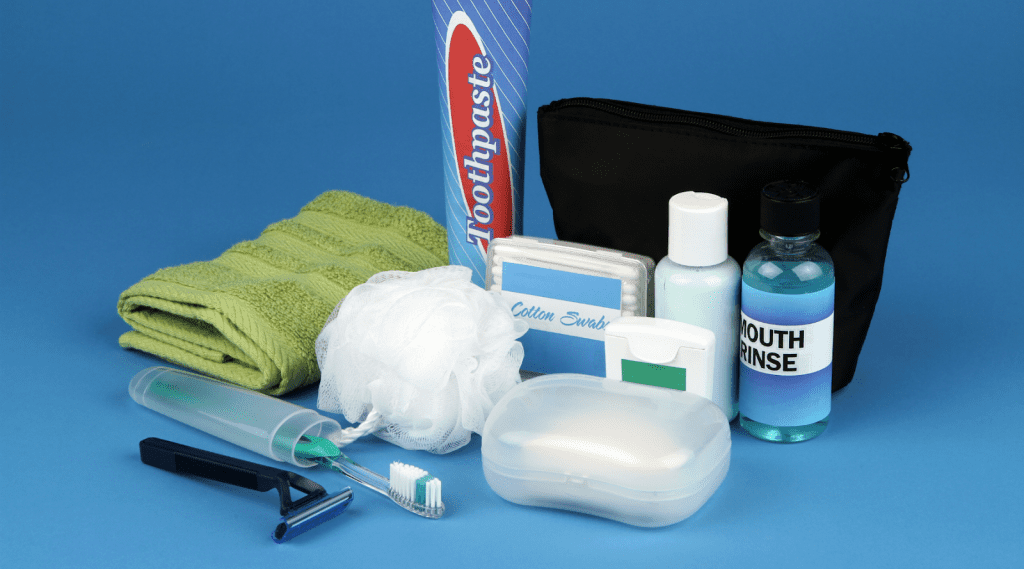
These items don’t get donated as often as food or clothes, but they’re just as essential and often more expensive for families to buy.
How to run it effectively?
- Make a list of what goes in each kit so people aren’t guessing.
- Travel-sized works best since it’s easier to hand out and carry.
- Don’t forget period products and adult diapers – they’re expensive and always needed.
- Ask drugstores if they’ll donate overstock or give you a bulk discount.
- Turn the kit assembly into a volunteer event where people can help put them together.
Pet care drives
Best for: Animal shelters and rescue groups that are always short on supplies
Shelters run on tight budgets, and donations of food, bedding, or toys help them care for more animals without stretching their resources too thin.
How to run it effectively?
- Collect essentials like food, blankets, toys, leashes, and cleaning supplies that shelters use daily.
- Include items that are suitable for different kinds of animals unless you’re supporting a shelter that specializes in one.
- Confirm with the partner shelter’s wish list; most accept unopened food and many accept gently used soft goods/hard goods.
- Add cleaning supplies like paper towels and disinfectant, since they’re constantly needed
- Specify clear drop-off times to manage storage and distribution properly.
Clean water drives
Best for: Communities dealing with water contamination or groups helping after floods or disasters
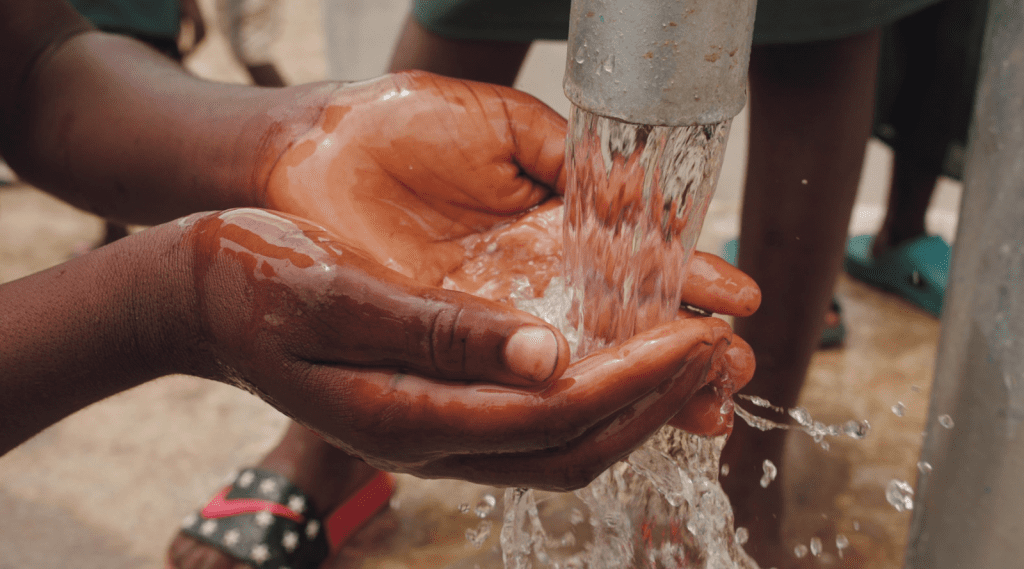
Water access issues often go unnoticed until a crisis arises, but many communities face unsafe tap water on a year-round basis.
A clean water drive helps you address this ongoing need while raising awareness about water safety in your area.
How to run it effectively?
- Set up water coolers or refill stations in community areas where everyone can access clean drinking water.
- Focus on distributing reusable bottles people can refill, not cases of disposable plastic.
- Consider raising money for filters or purification tablets if that’s more useful than physical goods.
- Partner with local schools, community centers, or civic groups to expand your reach and collection efforts.
- Use the drive to discuss why clean water is a local issue, as many people might not realize it’s a problem.
Education and empowerment donation drives
Schooly supply drives
Best for: Schools, youth organizations, and community groups working with students who lack basic supplies
Not every child has access to basic school supplies, but having them makes a real difference in their learning experience. With a school supply drive, you can ensure kids show up to class with what they need to participate and succeed.

How to run it effectively?
- Focus on grade-specific needs like crayons and scissors for younger kids or calculators and binders for older students.
- Set up collection bins at places families already visit, such as libraries, grocery stores, or community centers.
- Share a list of the most needed items so donors know exactly what to buy.
- Sort supplies by grade level before distributing them to make it easier for teachers or families to grab what they need.
- Host your drive around late summer so students get supplies before school starts.
Book and literacy drives
Best for: Libraries, schools, shelters, and literacy programs
Everyone should have access to books. There’s nothing a book can’t teach you, from building literacy skills to offering real-world knowledge.
So, collect books to build or update libraries in places where they’re needed most, like classrooms, shelters, or local community centers.
How to run it effectively?
- Be clear that you will only accept books with no torn pages, heavy wear, or outdated information.
- Collect books for different age groups and reading levels so there’s something for everyone.
- Ask for diverse titles that reflect different cultures, experiences, and perspectives.
- Sort books by age group or genre before delivery to save time for the receiving organization.
- Partner with local bookstores or publishers who might donate new books or offer discounts.
Scholarship fund drives
Best for: Community groups, alumni associations, and nonprofits supporting students
Talent doesn’t care about income, but education costs do. Raising money for scholarships means a student doesn’t have to choose between paying rent and paying for school.
How to run it effectively?
- Set a clear fundraising goal based on what you want to cover – full tuition, exam fees, or school supplies.
- Share stories of students who’ve benefited from past scholarships to show donors the real impact.
- Offer multiple ways to give so people can contribute what works for them – one-time donations or monthly pledges.
- Create a simple application process for students so they can access the fund without unnecessary hurdles.
- Host an online or virtual event where you thank the donors and share with them small, handmade gifts to show appreciation (see if students can help with that).
Technology access drives
Best for: Schools, job training programs, and community centers
Digital access isn’t optional anymore. Kids need laptops for homework, while adults need them for work. A tech drive gets these devices into the hands of people who need them.
How to run it effectively?
- Reach out directly to local businesses upgrading their equipment, tech companies with surplus inventory, or corporate offices replacing devices.
- Organize a tech donation event near established colleges or universities, where you can ask students and faculty to donate their old working devices.
- Partner with tech repair shops or IT professionals who can check devices and make sure they’re functional.
- Include accessories like chargers, cases, and headphones, since people often need those too.
- Make sure recipients know how to use the devices by offering basic tech support or tutorials.
- Partner with an authorized refurbisher or a nonprofit refurbisher network (e.g., Digitunity)
Personal care donation drives
Senior care package drives
Best for: Senior centers, nursing homes, and organizations supporting elderly community members
Many older adults living alone or in care facilities often need items that make daily life more comfortable. A care package drive delivers essentials that improve their comfort while reminding them they’re valued.
How to run it effectively?
- Collect practical items like reading glasses, warm blankets, non-slip socks, and large-print books.
- Include personal care products like lotion, denture care supplies, and easy-grip utensils.
- Add comfort items like puzzles, playing cards, or music CDs that help seniors stay engaged.
- Package items thoughtfully so each person receives a complete care kit they can use right away.
- Coordinate delivery with the facility to ensure packages reach residents who need them most.
Homelessness support drives
Best for: Homeless shelters, street outreach programs, and organizations serving unhoused individuals
People experiencing homelessness need more than temporary shelter. They need basic hygiene items, weather-appropriate clothing, and reusable essentials to live safely on the streets.
How to run it effectively?
- Assemble packs with soap, toothbrushes, wet wipes, hand sanitizer, refillable water bottles, backpacks, and thermal blankets.
- Contact local clothing stores, supermarkets, and pharmacies to ask if they can donate essential items or offer bulk discounts.
- Reach out to your neighborhood through door-to-door outreach or community meetings to collect donations from residents.
- Partner with local businesses to set up collection bins in high-traffic areas like coffee shops or fitness centers.
- Distribute packs directly through outreach teams who know where to find people who need them most.
Women’s shelter drives
Best for: Domestic violence shelters, women’s crisis centers, and transitional housing programs
Women fleeing unsafe situations often leave with nothing. By providing personal care items and clothing, you can help them regain stability and a sense of normalcy during a difficult time.
How to run it effectively?
- Collect menstrual hygiene products, self-care items like shampoo and body wash, clothing in various sizes, and personal items like hairbrushes and hair ties.
- Promote your drive discreetly through trusted community partners, online platforms, and faith-based organizations without revealing specific shelter locations.
- Set up collection bins in women-friendly spaces like salons, gyms, or community centers where donors feel comfortable contributing.
- Partner with local retailers or beauty brands to donate overstock items or provide bulk discounts on personal care products.
- Package donations discreetly in unmarked bags and coordinate quiet drop-off times to protect the privacy and safety of women.
- Encourage new‑only for underwear/bras and add a privacy/safety note about using a public drop location rather than the shelter’s address.
Accessibility aid drives
Best for: Disability resource centers, senior programs, and community organizations serving people with mobility challenges
Mobility aids are expensive and not always covered by insurance. Collecting gently used or new equipment helps people move independently without the financial burden.
How to run it effectively?
- Collect items like walkers, canes, crutches, wheelchairs, and shower chairs that are still in working condition.
- Partner with medical supply stores or physical therapy clinics that can inspect donations for safety.
- Accept adaptive tools like jar openers, button hooks, and reaching aids that make daily tasks easier.
- Clean and sanitize all equipment before distributing it to ensure it’s ready to use.
- Connect with occupational therapists who can match specific equipment to people who need it most.
Community betterment and environmental drives
Neighborhood clean-up drives
Best for: Neighborhood associations, environmental groups, and youth organizations focusing on community service
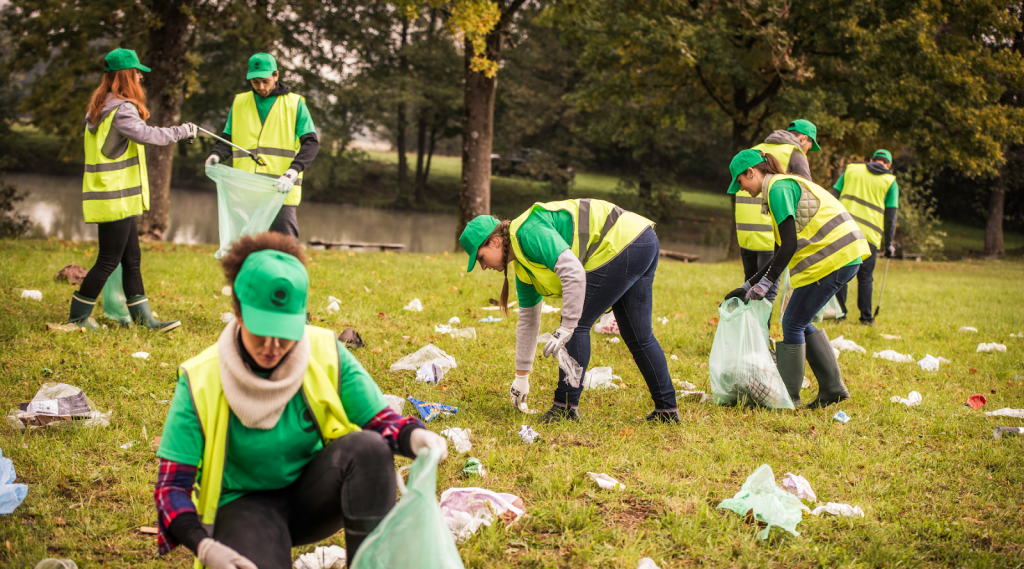
A clean neighborhood isn’t just about picking up trash. It’s about neighbors working together to care for their community while also developing social responsibility and environmental awareness.
How to run it effectively?
- Partner with local waste management for free trash bags, gloves, and disposal access.
- Set up separate bins for recyclables, compost, and regular trash so volunteers sort as they collect.
- Turn it into a competition between teams to see who fills the most bags or covers the most ground.
- Show people what actually gets recycled and why sorting matters instead of tossing everything together.
- Wrap up with a community gathering where everyone sees the results and talks about keeping it clean going forward.
Tree-planting drives
Best for: Environmental nonprofits, schools, and community groups working on urban greening or climate action
Planting trees makes your community greener and more beautiful, but also offers people a chance to get closer to nature as well as each other.
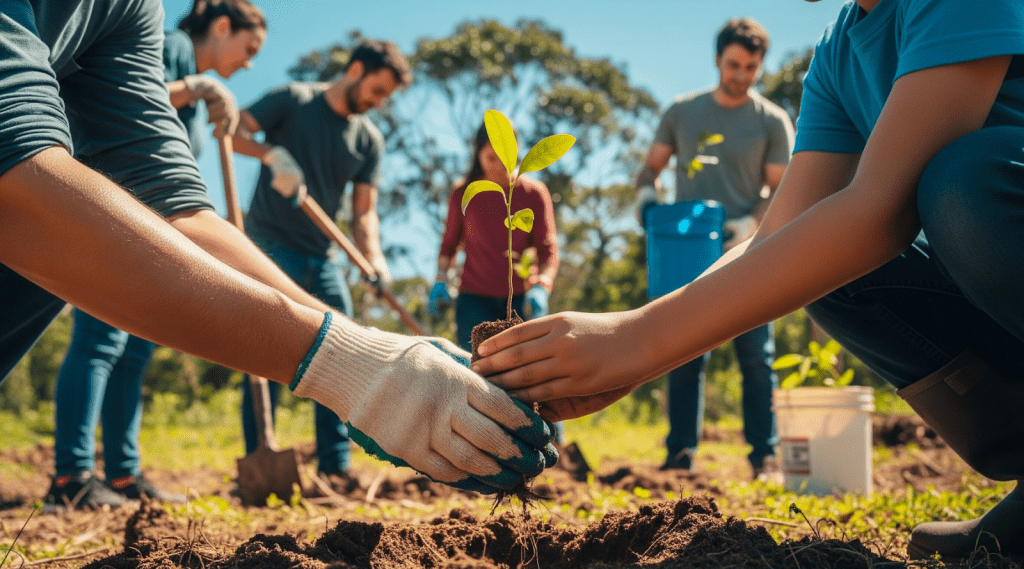
How to run it effectively?
- Talk to your city’s parks department or a local nursery about which trees grow best in your area.
- Ask your neighbor to see if they can bring their own mulch, watering gear, and tools like shovels and wheelbarrows.
- Get permission from property owners or city departments before you start digging anywhere.
- Plant in fall or early spring when trees have the best chance to establish strong roots.
- Assign volunteers to water and check on young trees throughout their first year so they survive.
Public space restoration drives
Best for: Neighborhood groups, youth organizations, and nonprofits improving schools, parks, or community facilities.
Who doesn’t want to live in a neighborhood that looks cared for? So, get people together to repaint and fix up public spaces while restoring pride in your community.
How to run it effectively?
- Get approval from whoever manages the building and coordinate timing so you’re not in their way.
- Ask everyone to bring their own paint, brushes, drop cloths, cleaning products, and basic repair supplies.
- Give people tasks based on what they can handle – scrubbing walls works for anyone, while detail painting needs experience.
- Take before and after photos to show donors and volunteers exactly what their time accomplished.
- Schedule work for weekends or school breaks when the space is empty and people are free to help.
Emergency and crisis response donation drives
Disaster relief drives
Best for: Emergency response organizations, churches, and community groups mobilizing after natural disasters or crises.
When disaster hits, there’s no time to launch a full fundraising campaign and wait for donations to roll in. A relief drive lets you stock emergency supplies ahead of time so you can get them to affected families immediately.

How to run it effectively?
- Contact local emergency management or relief organizations to find out what’s actually most needed.
- Focus on immediate essentials like bottled water, non-perishable food, blankets, flashlights, and batteries.
- Set up drop-off points in high-traffic areas like grocery stores, schools, or community centers for easy access.
- Pack items in waterproof containers or heavy-duty bags that can handle rough conditions and transport.
- Deliver donations directly to distribution centers or shelters coordinating relief efforts on the ground.
- Focus on cash donations to vetted organizations in fast-moving disasters, as they are often the most effective contribution.
Healthcare support drives
Best for: Hospitals, blood banks, and health nonprofits addressing urgent medical needs in the community
Healthcare facilities in underprivileged areas often struggle to meet demand with limited supplies and constant blood shortages. Hosting a donation drive helps collect what’s needed, introduces more people to the mission, and gets them involved.
How to run it effectively?
- Set up mobile blood donation units at schools or community centers where people already gather.
- Offer refreshments, comfortable waiting areas, and clear instructions to make the donation process easy for first-timers.
- Place collection bins at pharmacies, grocery stores, libraries, or other high-traffic spots in your community.
- Collect bandages, gauze, medical gloves, and hand sanitizer.
- Partner with a state drug repository program or a licensed nonprofit (e.g., SIRUM) that accepts sealed, unexpired medications.
- Follow up with participants to thank them and share how their donations helped patients in need.
Community safety drives
Best for: Neighborhood associations, schools, and emergency preparedness groups building local resilience
Emergencies don’t wait for you to be ready. A safety drive stocks community centers with first-aid kits, fire extinguishers, and emergency supplies so help is available when seconds count.
How to run it effectively?
- Collect first-aid kits, fire extinguishers, emergency radios, flashlights, and basic survival supplies.
- Partner with fire departments or safety organizations to inspect donated equipment and ensure it works properly.
- Place collected items in accessible spots like community centers, schools, or neighborhood hubs where people can grab them fast.
- Host a safety training session where volunteers learn CPR, fire safety, or emergency response basics.
- Check and replace expired supplies regularly so everything stays functional when an actual emergency happens.
Key considerations before starting a donation drive
Before you launch your donation drive, take time to think through the details. Planning ahead saves you from scrambling later and makes sure the items you collect actually help the people who need them most.
Here are things to consider before starting out:
Understand your community needs
Whether you’re a nonprofit, school, or local volunteer group, start by figuring out what your community actually needs right now.
- Survey your community by talking to neighbors, observing what’s missing in local areas, or asking community leaders what needs aren’t being met.
- Review your own records or intake data to see what requests come up most often.
- Check local news or reports about housing instability, food insecurity, or other pressing issues in your area.
Define your goals
Get specific about what you’re collecting and how much you need. For instance, list exactly what items you’re accepting, such as specific foods for food drives or particular clothing sizes and seasons. Furthermore, set a measurable target like “500 cans of food” or “100 winter coats” so people see progress
Don’t forget to clarify who will benefit, such as 50 families, one shelter for three months, or a classroom of 30 kids.
Plan the logistics and collection process
Once you know what you need, figure out how donations will get from donors to recipients.
- Choose collection points where people already go, like grocery stores, schools, or community centers.
- Recruit volunteers to staff sites, sort donations, and handle deliveries.
- Post clear collection hours that work for donors – evenings and weekends catch people after work.
- Secure storage space for donations until distribution.
- Arrange transportation to move items from drop-off points to where they’re needed.
Compliance, permissions, and safety
If your drive involves collecting items in public spaces or from the community, make sure you’re following local rules.
- Get written permission before placing collection bins or running public drop-offs.
- Follow city/county rules on bin labeling, upkeep, and time limits.
- Stick to safety protocols when handling donations – check expiration dates on food and don’t accept opened or damaged items.
- Ensure volunteers wear gloves when sorting hygiene products or used clothing.
- Have a plan for disposing of items you can’t use, rather than leaving them at collection sites.
- Remove bins, signage, and leftover materials promptly after the drive ends to comply with property agreements and community regulations.
- Give donors a written note with date, your org name, and a description of items (no dollar value).
Note: For compliance, include the IRS-required acknowledgment for any gift of $250 or more. Additionally, donors claiming deductions for non-cash property exceeding $500 must file Form 8283. Those giving items valued above $5,000 typically require a qualified appraisal.
Promotion and communication strategy
Once logistics are set, plan how you’ll spread the word:
- Create social media posts showing exactly what items you need with photos so people know what to buy.
- Ask local businesses to mention your drive at checkout or include flyers in shopping bags.
- Reach out to local radio stations or community Facebook groups for free announcements about your drive.
- Set up a text or email reminder system that nudges people a few days before the drive ends.
- Post milestone updates like “We’ve collected 200 coats so far, help us reach 500!” to show progress.
- Send personalized thank-you notes with visuals of how their donations are being distributed to families.
Put these ideas into action with RallyUp
A donation drive isn’t just about filling boxes; it’s about bringing to light your community’s struggles and showing up for one another. When your community rallies around a shared need, you’re building trust and connections that last beyond a single event.
Planning and running a successful drive takes coordination, but the right tools make the whole process easier.
RallyUp – an end-to-end fundraising software gives you everything you need to pull it off without the headache. Create free donation pages that look professional, combine drives with peer-to-peer or crowdfunding to multiply your impact, and track who’s supporting you.
Whether you’re collecting winter coats or raising funds for scholarships, RallyUp keeps the logistics simple so you can focus on what matters most – helping your community.
FAQs on community donation drive ideas
Some event-based fundraisers like galas, auctions, and peer-to-peer campaigns usually bring in the most money because they combine donations with engagement. They give you a chance to communicate with your supporters in a personal way while creating an exciting environment.
For in-kind donations like clothing, food, or supplies, provide donors with a receipt listing what they contributed. Use fundraising tools like RallyUp to automatically send the receipts.
Share the results publicly with photos, numbers, and stories showing how donations helped real people in your community. You should thank everyone who contributed and let them know about your next drive or other ways they can stay involved.
Be clear about what you can accept by listing what’s acceptable and what’s not, like “gently used clothing with no stains or tears” or “unopened food items before expiration dates.” Have volunteers inspect donations at drop-off and politely turn away anything damaged, stained, or unusable.
Now that you’ve seen it in action, are you ready to start fundraising?
Get Started