
How to Host an Animal Shelter Fundraiser: Step-by-Step Guide + 10 Ideas
Animal Shelter Fundraising Ideas
Animal shelter fundraisers are events specifically for raising money and resources to cover operational costs like food, medical care, and supplies. Some creative ideas include pet walk-a-thons, “Yappy Hour”, pet-o-ween, and more fun community-driven activities.
Every year, animal shelters take in abandoned, injured, fostered, and aging dogs, cats, and other animals. In 2024 alone, 5.8 million dogs and cats entered shelters and rescues.
Shelters rely on funding – mostly from microdonations, crowdfunding, and recurring donors who help provide food, treatment, and housing.
For Sammy, the pup found on the highway, and Pearl, the 10-year-old parrot greeting visitors with a raspy “hello,” fundraisers are lifelines they don’t even know exist. Every donation means another meal, another vet visit, another chance.
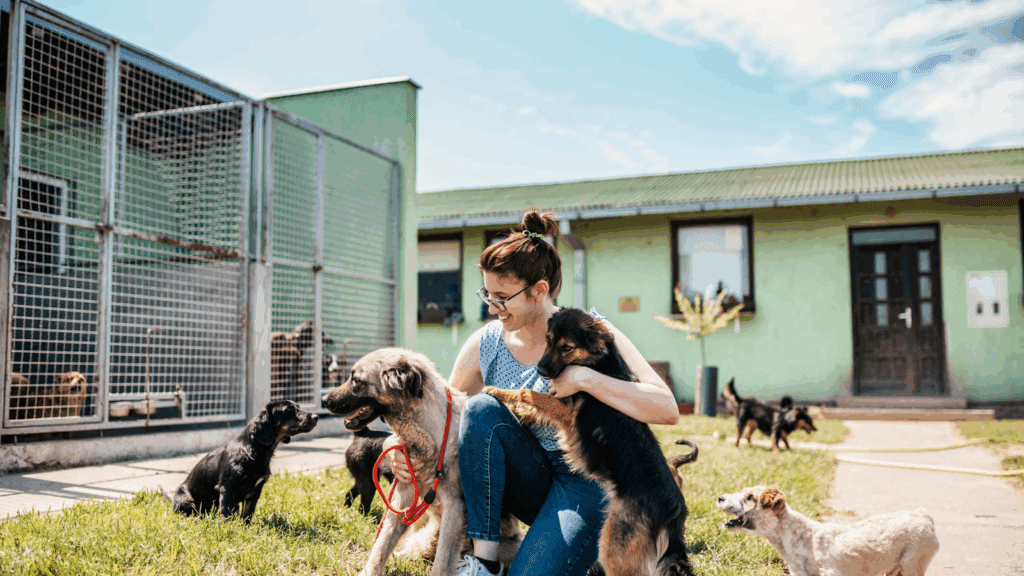
That’s why shelters need solid strategies to keep those tails wagging.
This guide walks you through everything shelters need to plan, host, and maximize the next animal shelter fundraiser. From strategies to creative online and in-person ideas, because at the end of the day, every paw, claw, and feather deserves a fighting chance.
In this article
Hosting an animal shelter fundraiser: Where to begin
With 13,527 animal-sheltering organizations across the U.S., the need for well-run fundraisers has never been greater. Shelters handle about 85% of community intakes, while rescues take in the remaining 15%, and every one of them depends on public support to keep running.
Whether small animal rescue organizations or large community shelters, knowing where to begin can make the difference between a one-off event and a sustainable lifeline for the animals in your care.
1. What’s the first step in hosting an animal shelter fundraiser?
Start with a clear, measurable goal, timeline, budget, and roles.
For example, “Raise $5,000 for vet care and vaccines”.
Set a realistic timeline and assign roles to staff or volunteers so everyone knows their part, from outreach to logistics. Create a simple budget covering event costs, promotions, and supplies.
2. How to identify donors and build lasting relationships?
Segment your audience: local pet owners, past adopters, and pet care businesses, each responds differently.
Tailor your approach by personalizing notes and invites for previous adopters, sponsorship options for businesses, and social posts or email campaigns for your digital community.

Consistent online communication via social media, link sharing, and peer-to-peer campaigns builds trust, recurring donations, and turns one-time contributors into long-term advocates for your shelter’s mission.
3. When to engage the community and partners?
Get your local community involved as early as possible, preferably as soon as you’ve planned the budget.
Partner with schools, youth clubs, and colleges to help run stalls, promote the event, or volunteer on the day.
Team up with nearby pet stores, cafés, or vet clinics for sponsorships or giveaways, which can draw in hundreds of pet parents. Or a simple collaboration – like a “Paws & Play” day with a pet store causes a spark in adoptions.
4. How do you measure success after a fundraising event?
Celebrate everyone who made it possible, and keep a record of the donations.
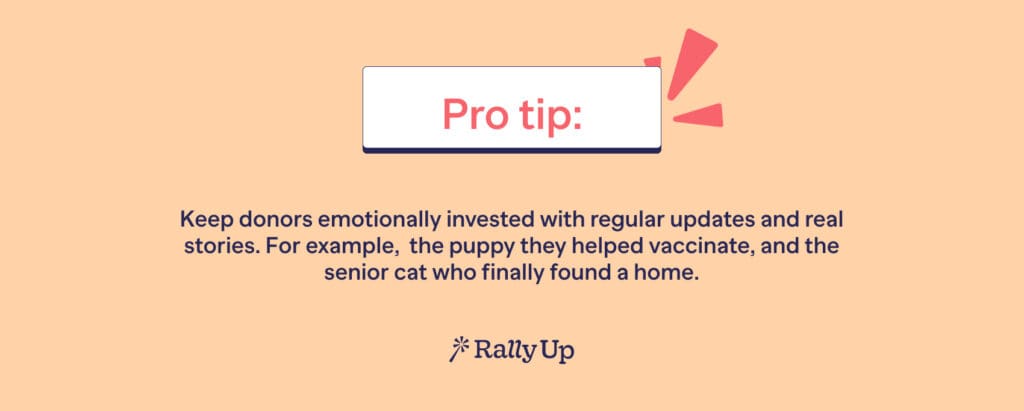
Thank donors publicly on social media or with handwritten notes. Share clear outcomes (“$5,000 raised = 30 rescues vaccinated”) to show real impact.
Track donations, attendance, and online engagement to see what worked and improve future events with RallyUp’s donor and promoter profiles.
10 animal shelter fundraiser ideas for NPOs
With the right mix of online campaigns and in-person events, you can reach new donors, engage your community, and keep support flowing year-round.
Below, we’ve broken down 10 ideas, first for online fundraising, then for live events, along with quick tips to help you host each one successfully.
Online animal shelter fundraising ideas
Online fundraising makes it easy to reach animal lovers everywhere, not just in your city.
With RallyUp, you can launch donation pages for campaigns, livestream with activities, and sell products on digital storefronts, turning every click into support for your shelter.
1. Launch a crowdfunding campaign
Set up a campaign on platforms like RallyUp or GoFundMe (for personal campaigns) to raise funds for a specific goal, such as veterinary bills, shelter repairs, or pet food drives.
Tip: Set up a fundraising page for every pup or kitty with RallyUp’s Crowdfunding Perks and make it that much cuter and emotional to engage donors.
2. Create a social media challenge + competition
Launch a fun hashtag like #PawsForACause, where participants share a pet selfie, donate $10, and tag friends to join in.

Encourage them to create their own mini-fundraisers by sharing your peer-to-peer donation link, turning it into a friendly community competition.
Tip: Offer a small prize (like custom pet accessories or toys) for the pet owner who raises the most funds. It keeps things lighthearted and boosts participation.
3. Open a digital shelter shop
Sell branded tees, custom pet mugs, and toys featuring your rescue pets to raise funds and spread awareness.
Note: Nonprofits often collect sales tax and may incur UBIT if sales are unrelated to your mission.
Tip: Keep designs fun and your organization’s mission at the forefront (“Adopt, Don’t Shop”). Add QR codes to flyers and event banners so visitors can buy merch or donate on the spot.
4. Host a virtual “Meet the Rescues” livestream
Stream a behind-the-scenes tour of your shelter or introduce animals up for adoption. Viewers love seeing where their donations go; a visual trigger is also likely to bring in more donations.
Tip: Add live donation buttons on-screen and mention small giving tiers (“$25 feeds a dog/cat for a week”).
5. Run an “Fund-an-Animal” program
Let donors sponsor a kennel or enclosure for a month. Display their name on the kennel and send updates about the animals they’ve supported during the time of sponsorship.
Tip: Create a recurring donation option (Maya will miss your support when her funding ends next week. Want to renew your donation and keep her cozy a little longer?).
Live animal shelter fundraising ideas
Fundraising events bring your community, especially animal lovers, together. They’re social, memorable, and great for raising both awareness and donations.
RallyUp’s Galas & Events feature makes planning even easier by handling ticketing, live support, and real-time fundraising during the event.
Note: When hosting in-person fundraisers, make sure your venue and setup are ADA-compliant. Check that routes, seating, restrooms, signage, and service-animal policies are accessible to all attendees.
6. Pet walkathon or rescue run
Host a fun walk in the park or a 2K where participants bring their pets. Charge a small participation fee and hand out branded bandanas or medals.

Tip: Create small teams (like “The Goldens Club” or “Band of the Beagles”) and award prizes for the group that raises the most funds – friendly competition creates a lively environment.
7. “Yappy Hour” or pet social at a local cafe
Partner with a local cafe that allows pets or a park venue for a laid-back pet social. Sell tickets as entry donations and invite pet care/pet food vendors, or groomers to set up small booths (also consider setting aside space for pet parents to purchase food).
Tip: Keep the event short and casual; two hours is the sweet spot for mingling, selfies, and micro-giving. Add a raffle to close the night.
8. Pet-o-ween or talent show
Invite pet owners to showcase creativity: best costume, best trick, most obedient. Charge small entrance fees and invite local businesses to sponsor prizes.

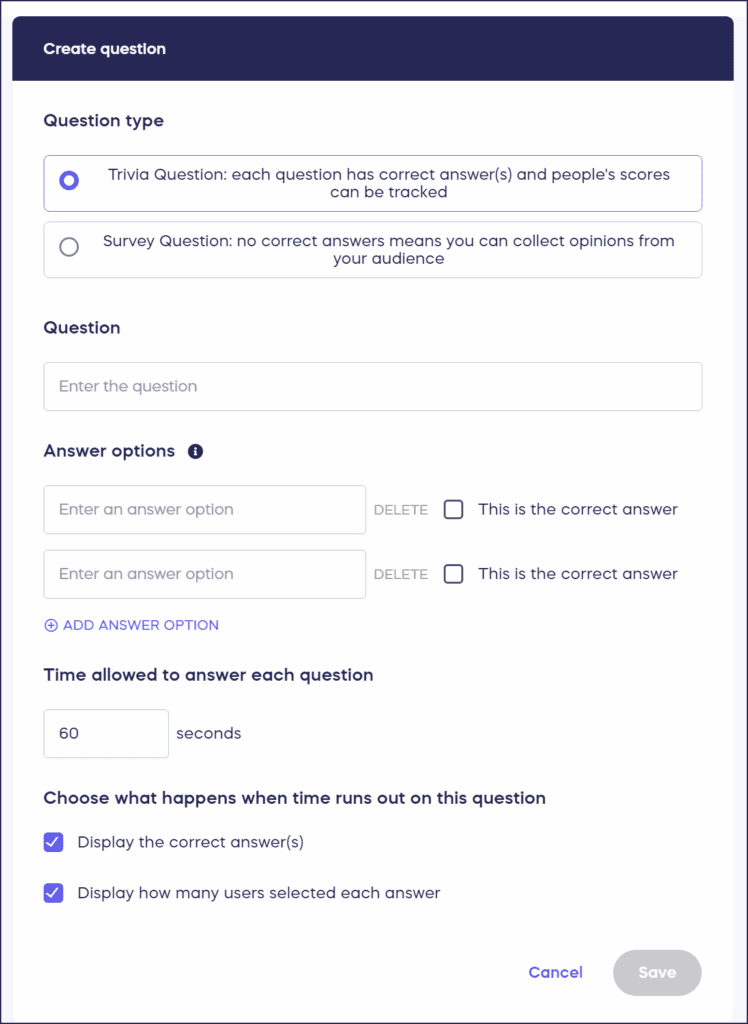
Tip: Use audience voting or a sweepstake to increase engagement. A $1 “vote” per pet doubles as a donation. It’s fun, democratic, and effective. However, make sure to include a ‘No Purchase Necessary’ option (also called an Alternate Method of Entry, or AMOE) to stay legally compliant and avoid turning your fundraiser into an illegal lottery.
Compliance note: In the U.S., sweepstakes and raffles fall under charitable gaming laws, which vary by state. Be sure to check your state’s nonprofit gaming regulations before running prize-based contests.
Reminder for larger gifts: U.S. donors must receive a written acknowledgment for any single donation of $250 or more. If a donor gives more than $75 and receives something in return (like gala tickets or prizes), your nonprofit must provide a quid-pro-quo disclosure explaining the fair market value of the benefit they received.
9. Shelter open house + adoption fair
Welcome the community for behind-the-scenes tours, meet-and-greets with fosters, and adoption opportunities.
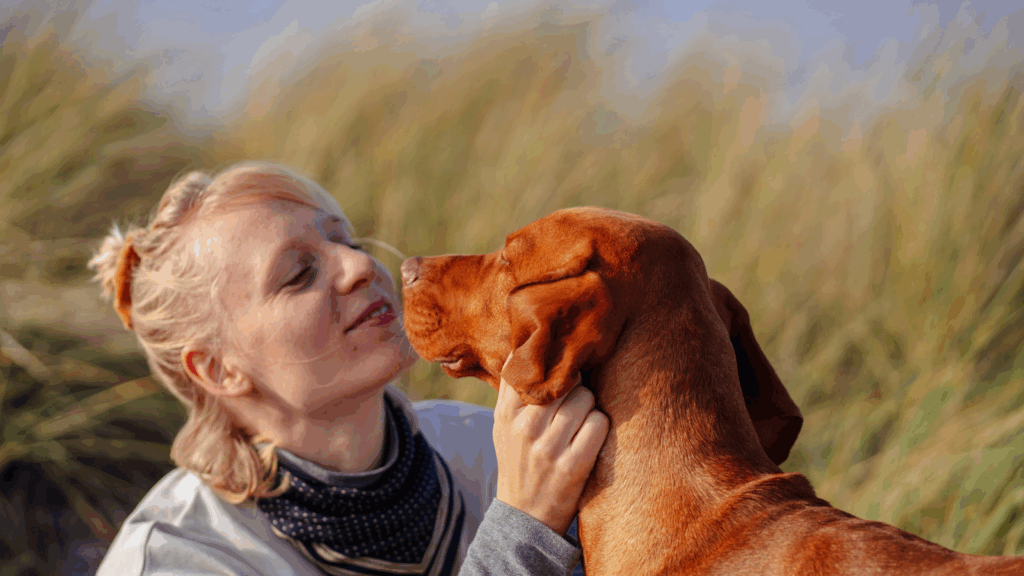
Tip: Offer short, supervised petting sessions. These moments help people bond personally and can turn curiosity into commitment.
Make sure the animals are comfortable and safe by following basic shelter medicine protocols, including verifying vaccination status (especially for parvo and distemper), sanitizing between sessions, and providing calm, low-stress environments per ASV/WSAVA shelter guidelines. Schedule these interactions thoughtfully across the day to maximize donor exposure while reducing stress for animals and handlers.
10. A simple charity auction or raffle
Host an auction packed with donated goodies from pet grooming packages to pet-friendly weekend getaways.
You can even run it as a hybrid event to include online supporters as well – RallyUp’s live bidding tools and online auction make that part simple.
Tip: Choose prizes your community will actually get excited about for their pets. Local experiences, pet services, or training classes usually pique interest – and bigger bids.
5 best practices for animal shelter fundraising
1. Share emotional stories
Stories move people more than numbers ever will. Highlight animal rescue transformations through short videos, reels, or photo diaries, and always link them to a donation or adoption call-to-action.
As they say, giving animals a name naturally forms a connection.
Next steps:
- Gather short stories from staff or volunteers for social media.
- Pair every story with a clear “Donate” or “Adopt” link.
- Reuse high-performing stories in email or crowdfunding updates.
2. Make adoption part of your fundraising strategy
Let visitors meet the animals they’re helping. Looking into the eyes of a furry friend has a much stronger effect on human beings than hearing about them.
Next steps:
- Offer short, guided meet-and-greet sessions at events.
- Highlight animals that still need sponsors or homes.
- Capture moments (photos, videos) to reuse in future campaigns.
3. Keep volunteers at the heart of it
Passionate volunteers are your best ambassadors as natural animal lovers. They bring authenticity and energy that paid ads can’t replicate.
Benefits:
- Trained volunteers can manage booths, share stories, and collect donations confidently.
- Their personal passion for animals encourages visitors to give or get involved.
- Volunteer-led outreach keeps community engagement strong between major fundraisers.
4. Use data to guide your next move
Every fundraiser teaches you something – if you track it. Look at how many donations are needed to feed one rescue, how much you can realistically ask for vet visits, etc. Track donor engagement metrics to see what resonates with which type of donor.
Next steps:
- Track which event type or post drove the most donations.
- Note patterns (e.g., food drives bring in more donations).
- Use these insights to fine-tune your next campaign plan.
5. Build long-term transparency
Supporters stay loyal when they know where their money goes. Share impact updates consistently, not just when you need donations.
Next steps:
- Post short updates like “Your support helped 25 rescues get vaccinated.”
- Include photos or behind-the-scenes glimpses of the shelter.
- Thank donors publicly to reinforce community connection.
Launch your cutest fundraisers yet with RallyUp
If there’s one big takeaway from all this, it’s that the most successful animal fundraisers are built on connection, not just donations.
When people see the snoots, wagging tails, and stories behind your cause, they want to be part of it. Every event, post, or story is a chance to turn compassion into action.
With RallyUp – an end-to-end fundraising platform, you can bring those moments to life effortlessly, from donation pages and branded storefronts to full-scale galas and live events (with real-time support when you need it).
It’s everything your shelter needs to raise funds, grow your community, and keep those tails wagging.
FAQs about animal shelter fundraisers
Apply for grants from animal welfare groups like the ASPCA, Humane World for Animals, and local foundations. You can also raise funds through donor campaigns, sponsorships, and recurring giving.
Share short, emotional stories about specific rescues. Add clear donation links and simple CTAs, such as “$25 feeds a pup today.”
Host events like pet costume contests, walkathons, or social media challenges. Small prizes or shout-outs make them even more engaging.
Starting a rescue depends on a business plan, the number of animal intakes, the area, medicines, electricity, and other fundraising activities. Most rescues require between $5,000 and $10,000 to get started.
Now that you’ve seen it in action, are you ready to start fundraising?
Get Started