How to Write a Donation Letter People Will Read (and Give!)
How to Write an Effective Donation Letter
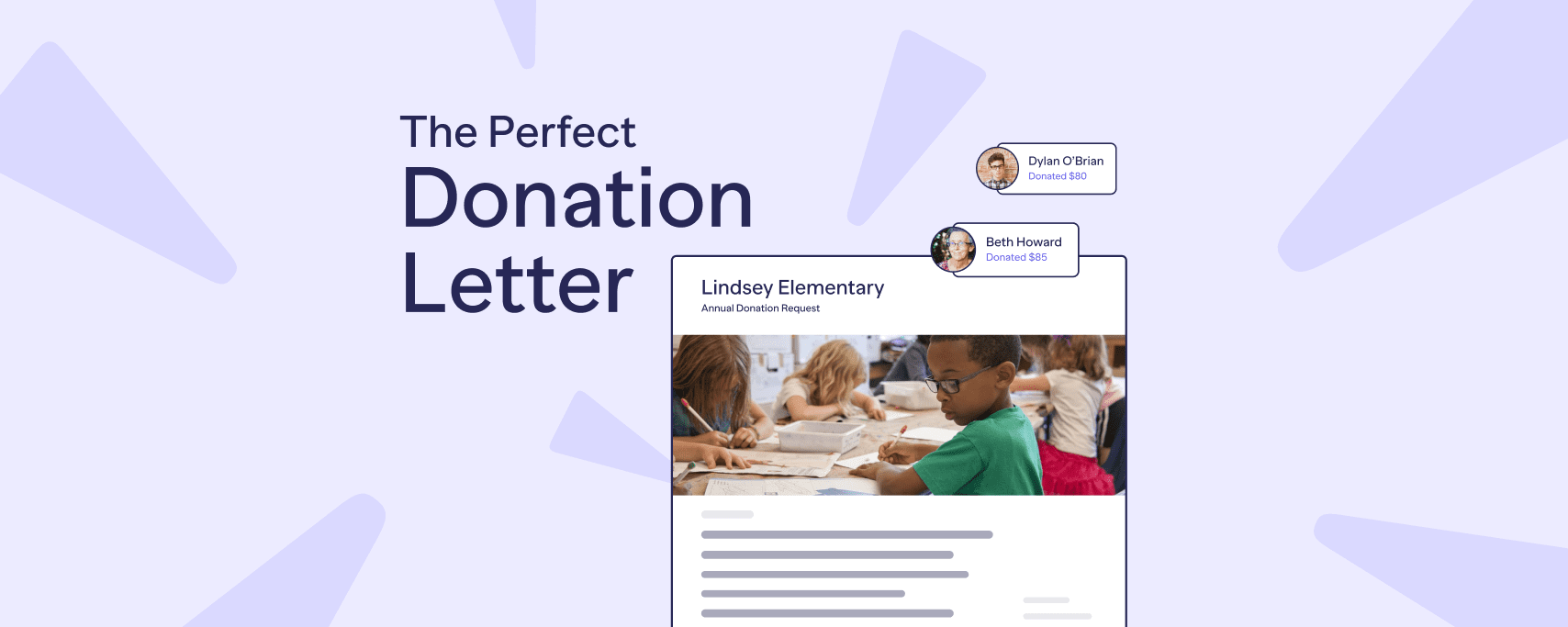
A donation letter is a message an organization sends to ask supporters for help funding a project or cause. To write one that works, include:
Personal greeting: Address the donor by name and create a personal connection.
Your mission: Explain what your organization does and the purpose behind your work.
Current project: Describe the initiative or campaign you are raising funds for.
Gripping details: Share a meaningful story or details that emotionally engage the reader.
Specific ask: Clearly state what kind of support or donation you are requesting.
Gratitude: Thank supporters sincerely for their time and generosity.
Pair your letter with a donation page so donors can easily contribute. An all-in-one fundraising platform like RallyUp makes the process simple and seamless!
A crumpled envelope waits on a cluttered desk. Bills, flyers, surround it. Then someone picks it up. A single line catches their eye. A moment passes. They picture a child receiving school supplies, a family getting a warm meal, or a local literacy program hitting its next milestone.
That’s the power of a donation letter! By showing readers the real impact of their support, you invite them to see themselves as part of that story. Done well, a letter can turn a quiet moment into a spark of action.
If you’re new to writing donation request letters or just want to brush up on your skills and make sure you’re writing the best donation letter possible, this article is for you.
We’ll explore the art of writing letters that cut through the noise, pull readers in, and inspire them to give, from the very first word to the final signature.
In this article
- What is a Donation Letter?
- What Should a Donation Letter Include?
- Sample donation letter template
- Who Should You Send Donation Request Letters to?
- Online vs. mailed donation letters: What’s more effective?
- When Should You Send Donation Request Letters?
- Turn your donation letters into results
- FAQs on donation letters
What is a Donation Letter?
Put simply; a donation letter is a letter you send from your organization to potential donors that is designed to solicit donations. While donation letters should be personalized to the organization and should be written in a way that authentically represents the mission, vision, and personality of your organization, some key elements should be present in every donation request letter to ensure they are as effective as possible.

What Should a Donation Letter Include?
Your donation request letter should be easy to read, be written in a clear and pleasant tone, and get your donors excited about giving. To write an effective donation letter, be sure that each of the following elements is included.
1. A personalized greeting
Pick up their name, their past connection, or something you know about them. A greeting that feels like it was written just for them instantly makes the letter more inviting.
Examples:
Greetings Kiara,
As a former volunteer with the community food bank, we know that you’re as passionate about food justice as we are.
Hello Kevin,
As an ongoing donor with the youth literacy project, we know that getting kids engaged with books is important to you.
Greetings Mandre,
As a community member in Evergreen Lakes, we know that you want our community to thrive.
2. Basic information about your organization and mission
Before asking for support, let your donors know who you are and what you do. They need a clear picture of your organization so they can understand how their contribution will make a difference.
Keep it brief – just a few sentences that highlight your mission, key achievements, or impact in the community.
Examples:
At the Community Food Bank, we’ve spent over 50 years helping families keep food on the table, and last year alone, we provided more than 10,000 meals to families in need.
The Evergreen Lakes Conservation Society has spent the past 11 years protecting local habitats and wildlife, increasing turtle populations by 30%, blue salamanders by 12%, and native birds by 5%.
Since 2010, the Youth Literacy Project has delivered over 10,000 books to classrooms in low-income areas..
3. Your current project or priority
Donation request letters are most effective when they are focused on a specific project or priority. Many donors are happy to support general expenses, but the people you reach out to with a donation letter will want to know exactly what their gift will fund and why it matters.
Examples:
While providing meals to families has always been a priority, many kids still go hungry on weekends. That’s why we launched the new Weekend Meals Program.
Research shows the first three years of life are critical for brain development. With support from donors and a grant from the National Council on Youth, the Youth Literacy Project will launch the Baby Steps Initiative this fall.
Our local wildlife breeding programs have had success, but the animals need a safe space to thrive. We’re raising funds to create a permanent nature preserve in Evergreen Lakes.
4. Gripping details
Your donors need to know why this specific project or initiative is urgent. It can be helpful to share what inspired you to launch this new project or initiative, and how you envision your organization making a difference in the problem you present.
This section should include any information that will help donors feel personally connected to your mission and project.
Examples:
Over 50% of students rely on free or reduced lunches, and many go hungry over the weekend.
Low-income kids hear millions fewer words by age three, creating gaps that last for years.
Illegal waste dumping and overdevelopment threaten local wildlife; once a species is gone, it’s gone.
5. A specific ask
Simply hearing about a problem and what your organization is doing to address it is not usually enough to inspire donors to give. Donors need to know that their donations will make a difference, and a specific ask ensures they know exactly what you need from them.
Examples:
$100 feeds a child through the Weekend Meals Program for a full year.
$50/month gives a child monthly books and development support.
$500 helps buy land for the preserve and comes with lifetime access plus naming rights for one animal.
6. Gratitude
A donation letter should always end on a note of thanks. Showing appreciation makes donors feel seen and valued, and connected to your mission, leaving them with a warm, human moment after reading.
Examples:
We’re so grateful for your past support of the Community Food Bank. Your donations have helped families across the region, and we’re excited to expand our impact through the Meals at Home program.
By supporting the Literacy Project’s Baby Steps Program, you’re helping children reach their full potential. Thank you for being part of this journey.
Your support protects wildlife in Evergreen Lakes and gives local species a safe place to thrive. We appreciate your commitment and look forward to welcoming you at the preserve!
Sample donation letter template
Here’s how all six elements can come together in a real, easy-to-read donation letter:
[Personalized Greeting]
Hi Kiara,
As a longtime supporter of the Community Food Bank, we know you care deeply about ensuring families in our community have enough to eat.
[Organization Info]
For over 50 years, we’ve helped families keep food on the table, and last year alone, we provided more than 10,000 meals to local families in need.
[Project Focus]
This year, we’re launching the Weekend Meals Program to make sure kids don’t go hungry when school is out.
[Gripping Details]
Right now, over 50% of students rely on free or reduced lunches, and many go hungry over the weekends. Missing these meals affects their growth, learning, and ability to focus in school.
[Specific Ask]
With just $100, you can provide weekend meals for one child for an entire year. Your gift ensures they have the nutrition they need to thrive.
[Gratitude]
Thank you for your continued support. Your generosity makes a real difference in our community, and we’re excited to share this journey with you.
Who Should You Send Donation Request Letters to?
You can send donation letters to a wide range of supporters, but the key is knowing who they are and what matters to them. Start with individuals and businesses, then think about whether they’re new supporters, repeat donors, or long-time partners.
For example:
- Existing individual donors: Highlight the impact of their past gifts and show what’s coming next.
- New individual donors: Introduce your mission with a story that pulls them in and explains why their support matters.
- Businesses or corporate supporters: Emphasize community impact, partnership opportunities, and how giving aligns with their values.
Tailoring your letters like this makes each recipient feel seen and valued, whether they’re a first-time supporter or a longtime champion of your cause.
Online vs. mailed donation letters: What’s more effective?
You might think that in today’s era of digital media, physical donation letters don’t matter, but you’d be wrong. Recent fundraising data shows that direct mail still outperforms digital channels by a huge margin.
Here’s what the numbers say:
- Direct mail appeals (yes, real paper in someone’s mailbox) have an average response rate of about 4.4%, compared with roughly 0.12% for email campaigns.
- 61% of donors even say they prefer to receive direct mail over email
- Direct mail often results in higher average gifts and stronger donor retention compared to email alone.
- And even among younger donors, a significant portion still responds to direct mail, so it’s not just an “older donor” channel.
That said, online channels still matter, of course. Email and social platforms are fast, inexpensive, and good for reminders or follow‑ups.
When you pair a mailed donation letter with a timely email or online post (think a QR code linked to your donation page), you can often boost overall results because donors see the message in more than one place.
When Should You Send Donation Request Letters?
Donation request letters can be sent at any time, but they land best when they’re tied to timing that matters to donors, like a specific project, a big event, or a peak giving season.
Research shows that a large slice of annual charitable giving happens around the end of the year, with about 40% of total giving occurring in December, so targeting end-of-year campaigns can really pay off.
If you’re fundraising for something specific, for instance, a new program launch, or an urgent cause, send your letter early enough that people have time to read it, think about it, and act.
For mailed letters, that usually means sending the appeal 2–3 weeks before your campaign deadline so postage and delivery don’t slow down your impact.
Turn your donation letters into results
The best donation letters grab attention without trying too hard. Share a clear project, sprinkle in a few meaningful details, and let your donors see the difference their support can make.
Keep your timing in mind and follow up online to reinforce your message, but focus on making each letter feel personal and thoughtful.
To really see results, pair your letter with a simple, easy-to-use donation page and tools to track your campaign. An all-in-one platform like RallyUp makes it easy to manage letters, pages, and follow-ups all in one place.
Start using RallyUp today and turn your next letter into donationsFAQs on donation letters
Just ask kindly and let people know exactly how their gift will make a real difference.
Keep it simple, focus on one project, and show the impact their support can have.
“Your support can help provide [specific outcome] and change someone’s life today.”
Give an example, like “A $50 gift provides [specific result] for one person or family – every bit helps!”
Now that you’ve seen it in action, are you ready to start fundraising?
Get Started